Expert Warning: The Risk of Kidney Dysfunction from Excessive Protein Intake
Doctors warn that prolonged excessive protein intake, particularly from animal sources, can strain the kidneys and increase the risk of chronic kidney failure.
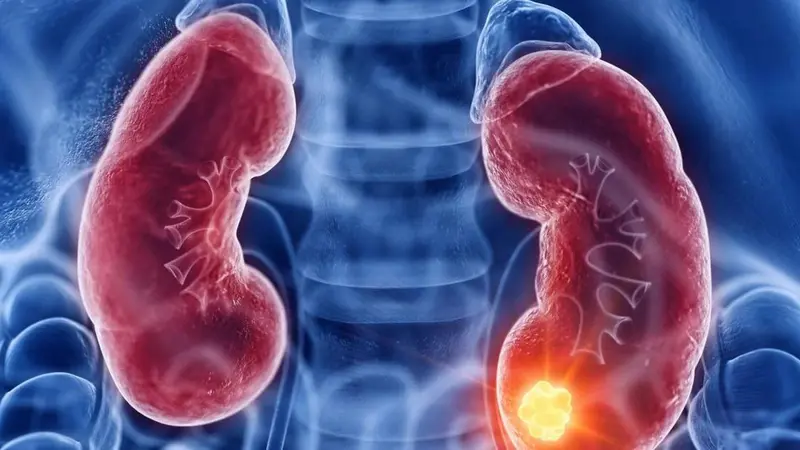
The human body operates through a sophisticated filtration system, where the kidneys play a pivotal role. Family physician Dr. Uma Darji (USA) explains: "The kidneys serve as the body's balance keepers by removing waste and excess water from the blood to form urine. Furthermore, they regulate minerals, maintain acid-base balance, and stabilize blood pressure." However, early-stage kidney disease often progresses silently, making current popular health trends potentially harmful to this vital organ.
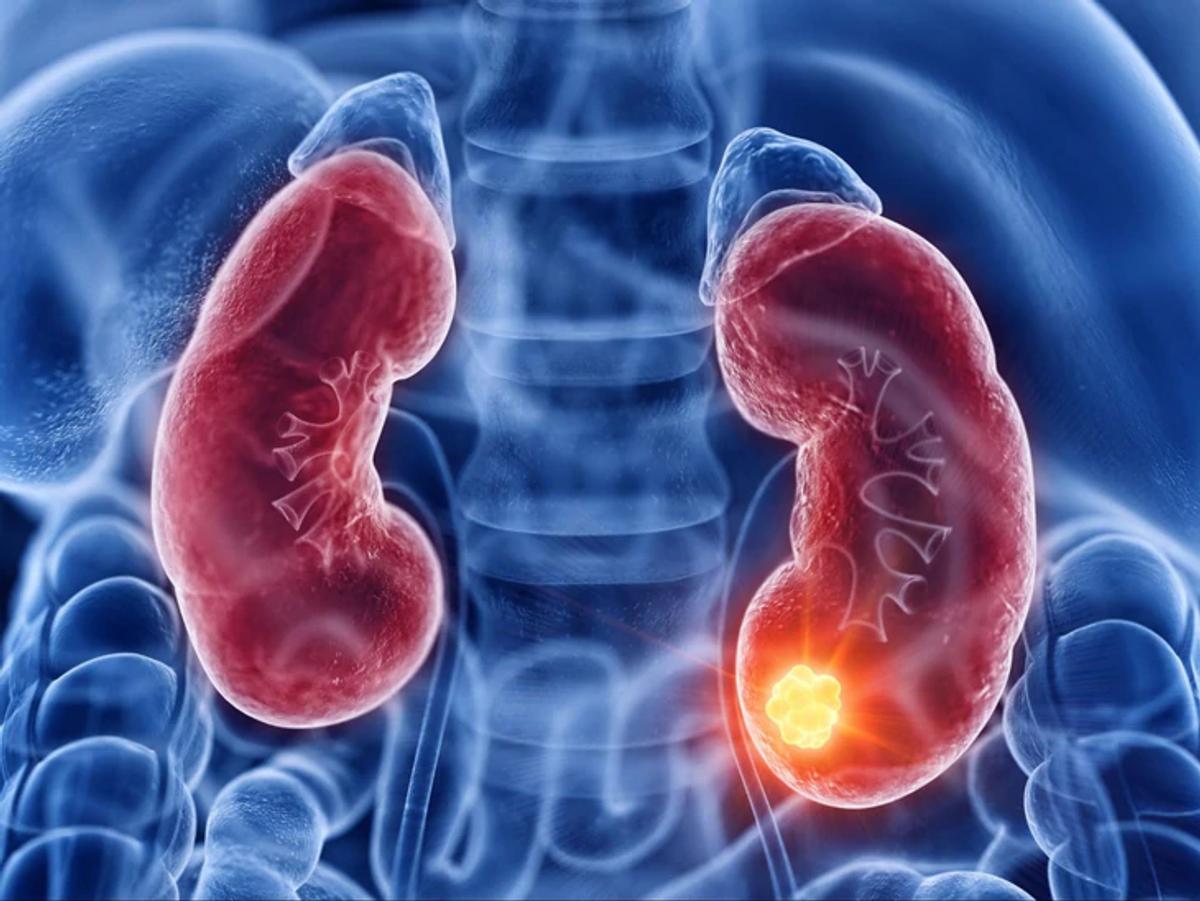
One concerning trend is excessive protein consumption. Although protein supports muscle recovery, the body cannot store excess protein the way it does with fat or carbohydrates. Internist Dr. Yoshua Quinones points out: "When you consume more than necessary, the body must break down the excess, creating waste products like urea that the kidneys must filter out." This state of "hyper-filtration" can wear down filters over years, leading to protein leakage into the urine and impaired kidney function.
Family physician Dr. Alex McDonald compares over-consuming protein to flooring the gas pedal on a car; while it may be manageable for a short period, forcing an engine to run at maximum capacity constantly leads to premature failure. According to Dr. S. Adam Ramin, Medical Director at the Urology Cancer Center in Los Angeles, the real concern lies in the habit of maintaining high protein levels long-term, especially in individuals with existing kidney damage.

The source of protein is equally critical. Research indicates that plant-based protein is more beneficial due to fiber and additional nutrients, whereas red and processed meats (sausage, deli meats) are clearly linked to kidney issues. For athletes, supplemental protein powders require caution due to high concentrations. The general recommended level is roughly 1.2 to 1.6 grams of protein per kg of body weight. Signs such as foamy urine, swollen ankles, or bad breath may be early warnings, making periodic blood and urine tests essential for adjusting dietary habits scientifically.