From Clean Plates to Green Cities: Global Strategies for Tackling Food Waste
Explore effective food waste management models from aviation to urban planning in South Korea, France, and Singapore, aiming for a sustainable green lifestyle.

Food waste has become a monumental challenge in the modern world. Every year, approximately one-third of global food production, equivalent to over 1.3 billion tons, is wasted, while hundreds of millions still face malnutrition.

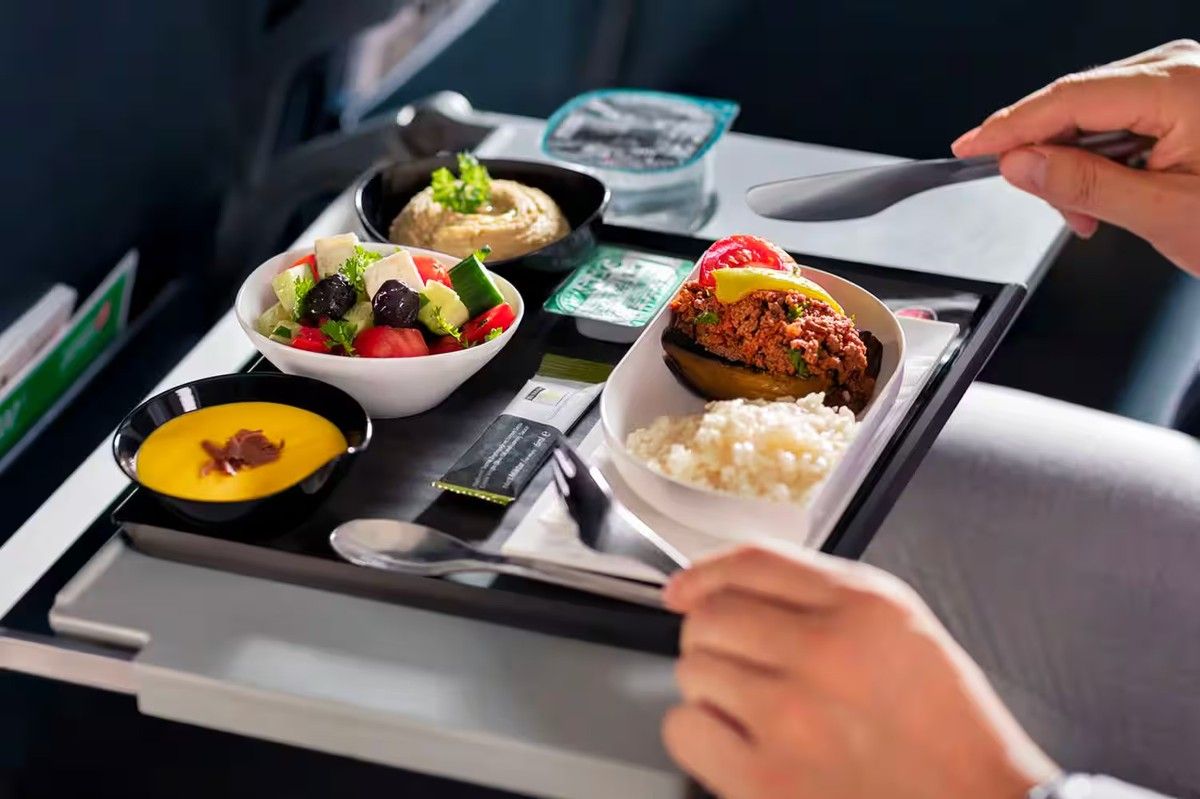
According to data from the International Air Transport Association (IATA), the global aviation industry generates about 3.6 million tons of cabin waste annually, 65% of which is food and beverages. Notably, 18% consists of completely untouched meals. To address this, airlines such as Japan Airlines, China Southern, and Cathay Pacific have implemented programs allowing passengers to pre-select or decline meals, optimizing supply based on precise data.
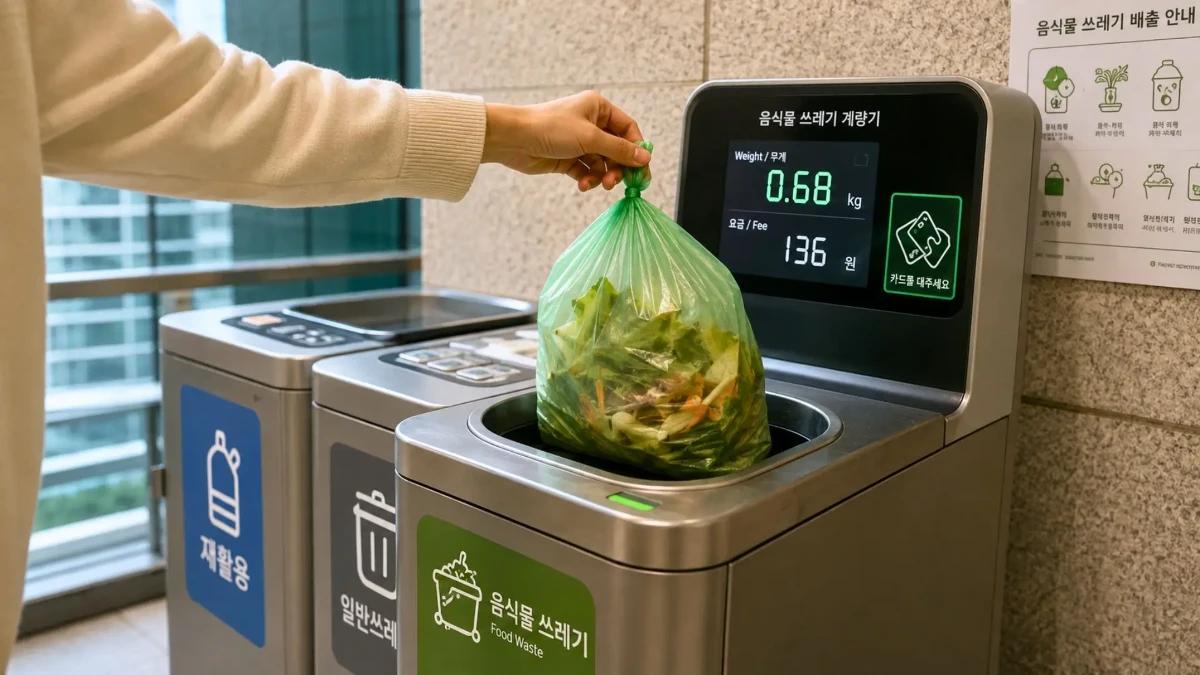
South Korea has achieved a food waste recycling rate of nearly 97% as of 2023, thanks to strict classification systems and smart RFID scanning technology. This system converts waste into energy and fertilizer. The Daejeon Bio-Energy Center is a prime example, processing organic waste to generate electricity for thousands of households and reducing reliance on fossil fuel imports.
Meanwhile, Singapore is utilizing artificial intelligence (AI) to optimize food supply chains. AI models are being developed to predict bacterial growth, helping supermarkets manage expiration dates and storage conditions more accurately, thereby minimizing food loss.
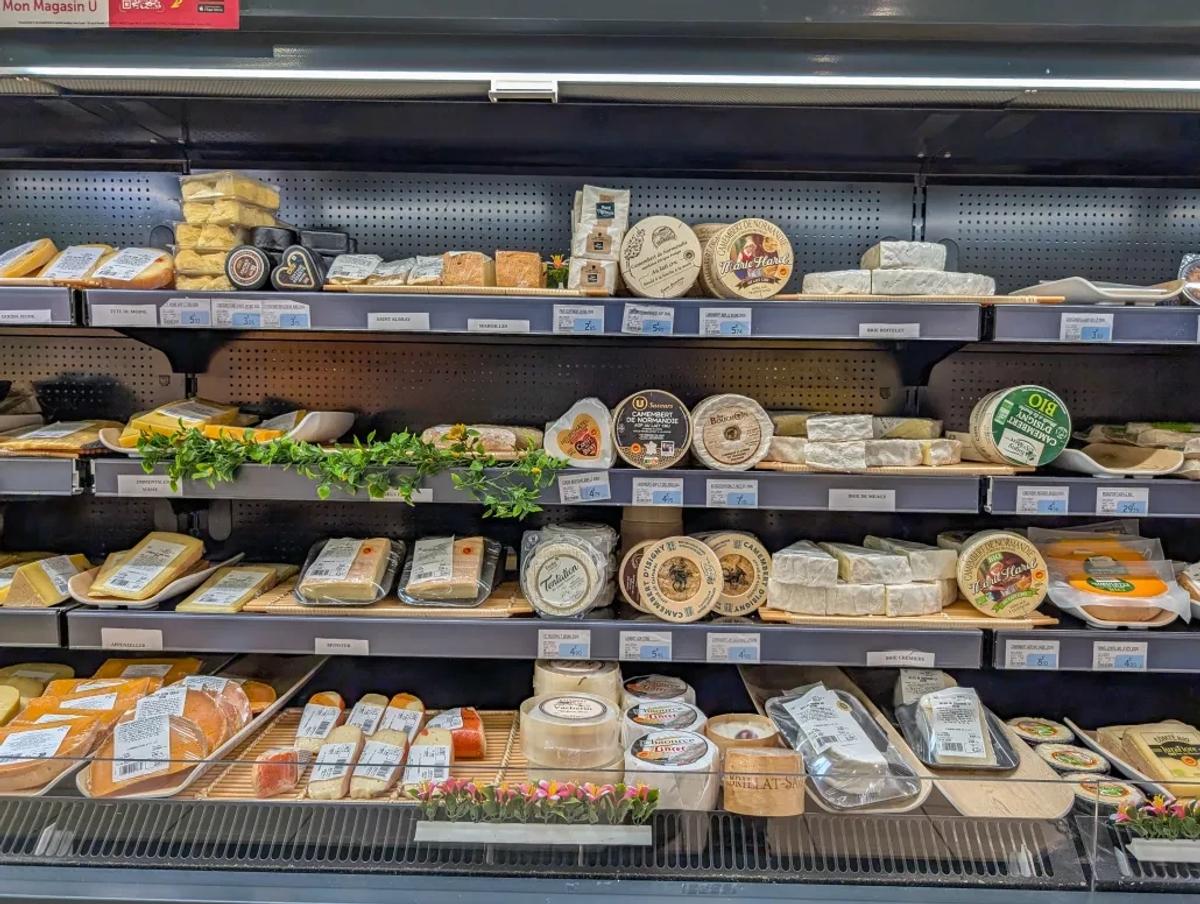
In Europe, France pioneered the 'Anti-Waste Law' in 2016, requiring supermarkets to donate surplus food to charities rather than discarding it. Other nations like Italy and Spain have adopted similar regulations with strict penalties, fostering greater responsibility in food production and commerce.
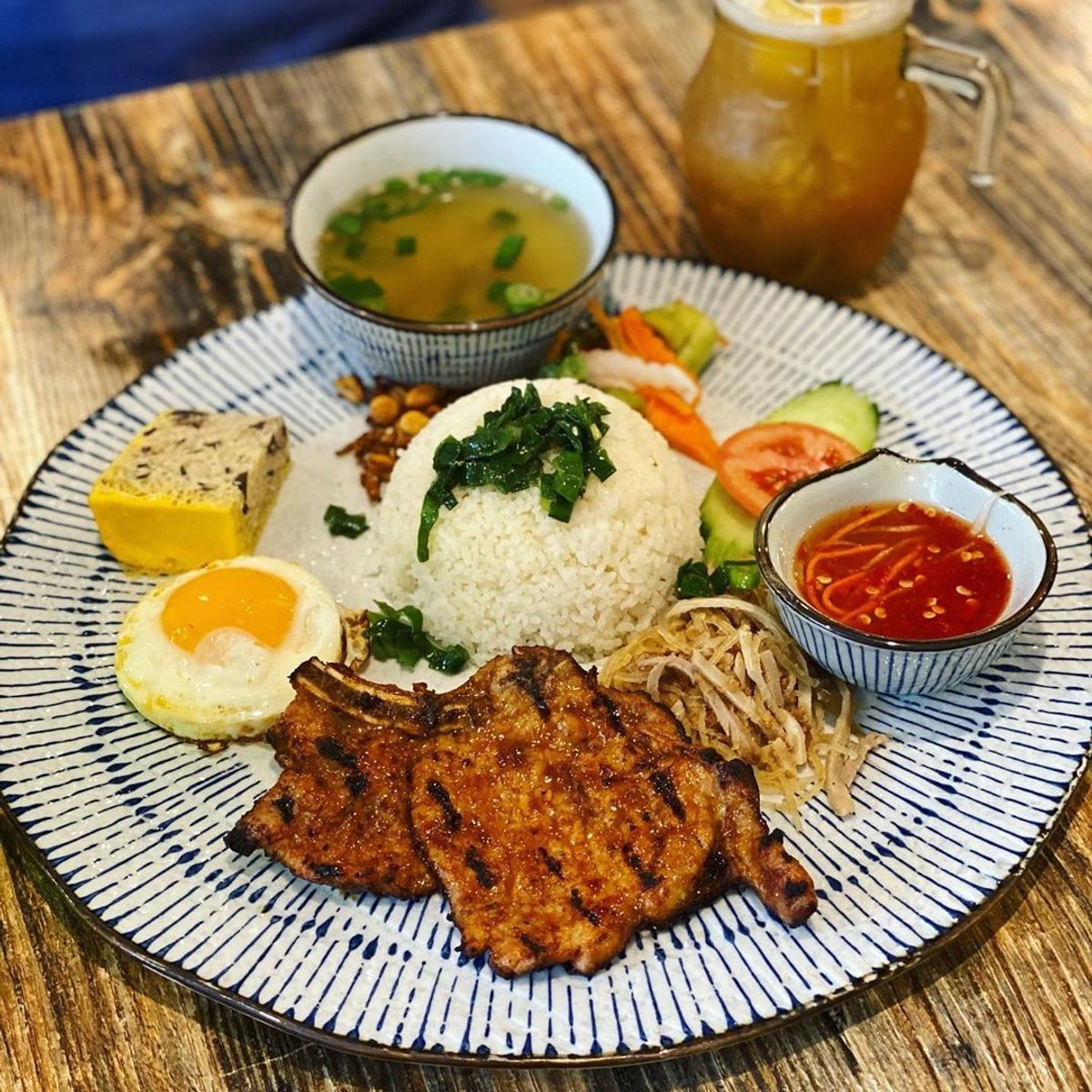
A report by the UN Environment Programme indicates that over 1 billion tons of food were wasted in 2022. In Vietnam, Deputy Minister of Agriculture and Environment Le Trong Yen emphasized that the 2026 'Make the World Cleaner' campaign will focus on food waste management, framing a clean plate as the starting point for a sustainable circular economy.