Coca-Cola vs. Pepsi: The evolving rivalry in a new consumer era
An analysis of the rivalry between Coca-Cola and Pepsi in light of shifting health-conscious trends and global business strategies.
While the intensity of the rivalry has moderated, the battle between beverage giants Coca-Cola and Pepsi is undergoing significant shifts. Both companies are aggressively reformulating products to cater to health-conscious consumers.
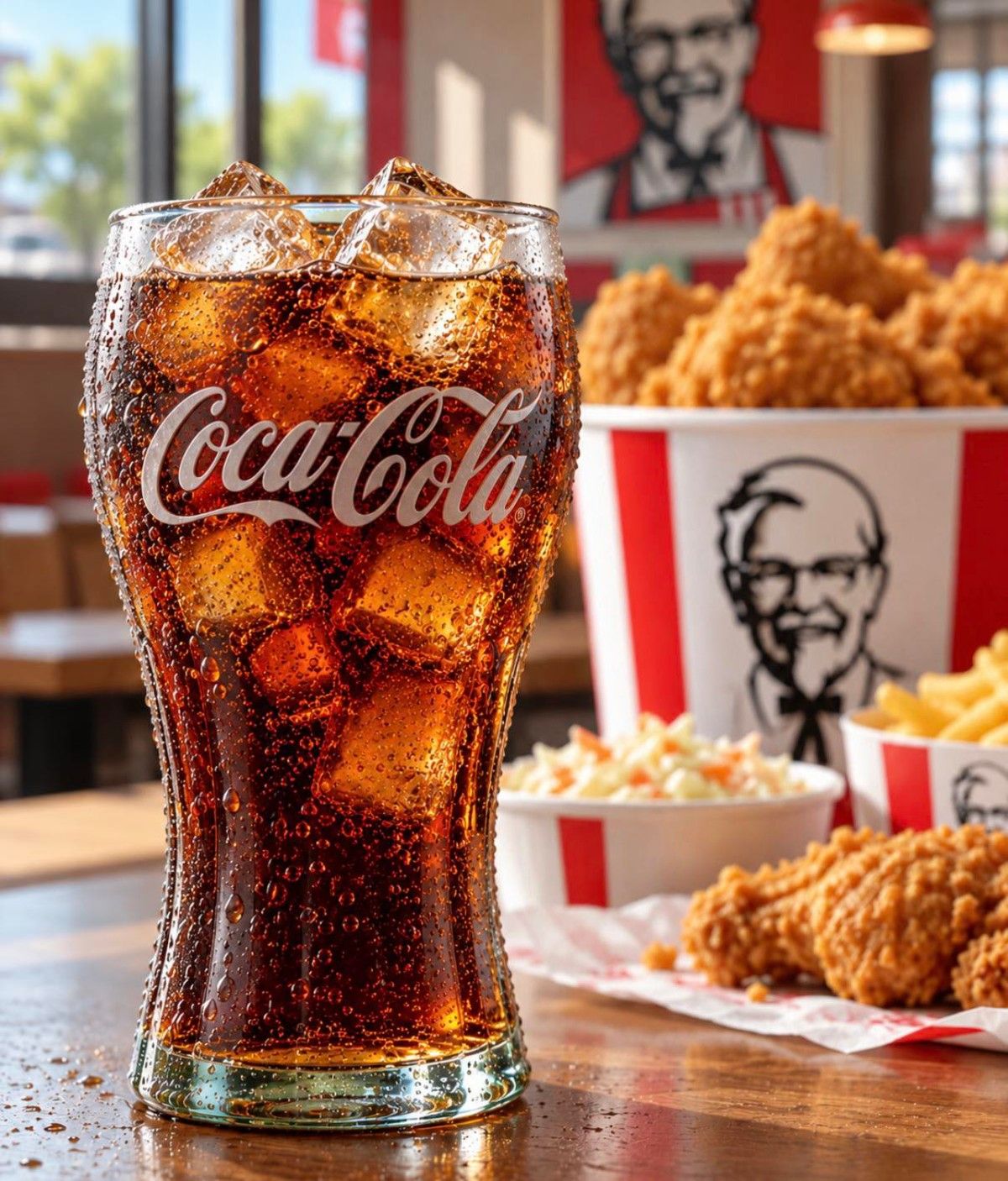
Last week, KFC announced it would replace PepsiCo products with Coca-Cola beverages across 3,700 U.S. restaurants starting January 2027, ending a 40-year partnership. This strategic shift comes as KFC aims to reclaim market share. Although KFC represents a small portion of PepsiCo's revenue, losing such a long-term partner underscores Pepsi's brand challenges. According to Beverage Digest, in 2024, Pepsi-Cola's U.S. market share for carbonated soft drinks fell to third place behind Dr Pepper, holding 8.1% compared to Coca-Cola's 18.5%.
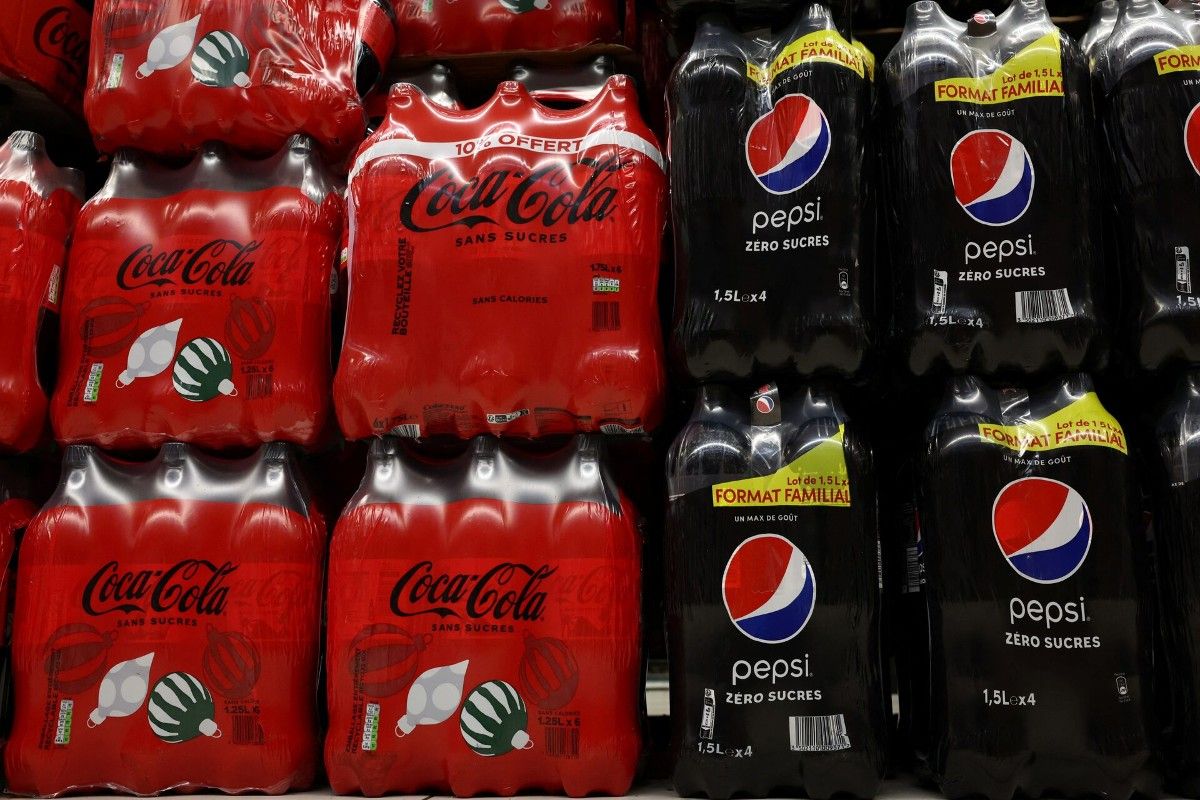
Coca-Cola has restructured its business model to prioritize branding and innovation, divesting from capital-intensive bottling operations to focus on dairy and protein-based beverages. Conversely, PepsiCo remains a diversified conglomerate, where soft drinks receive diminishing attention. Consequently, while PepsiCo's total revenue doubles that of Coca-Cola, its market capitalization remains roughly half of its rival's.
Outsourcing bottling to franchise partners has allowed Coca-Cola to lower costs and concentrate resources on marketing. Catherine Tan-Gillespie, President of KFC U.S., noted the new partnership provides a platform for innovation to meet evolving consumer tastes. Meanwhile, Pepsi faces headwinds from concerns over ultra-processed foods and the rise of weight-loss drugs; according to AlixPartners, consumers using these drugs have reduced soda consumption by 7%.
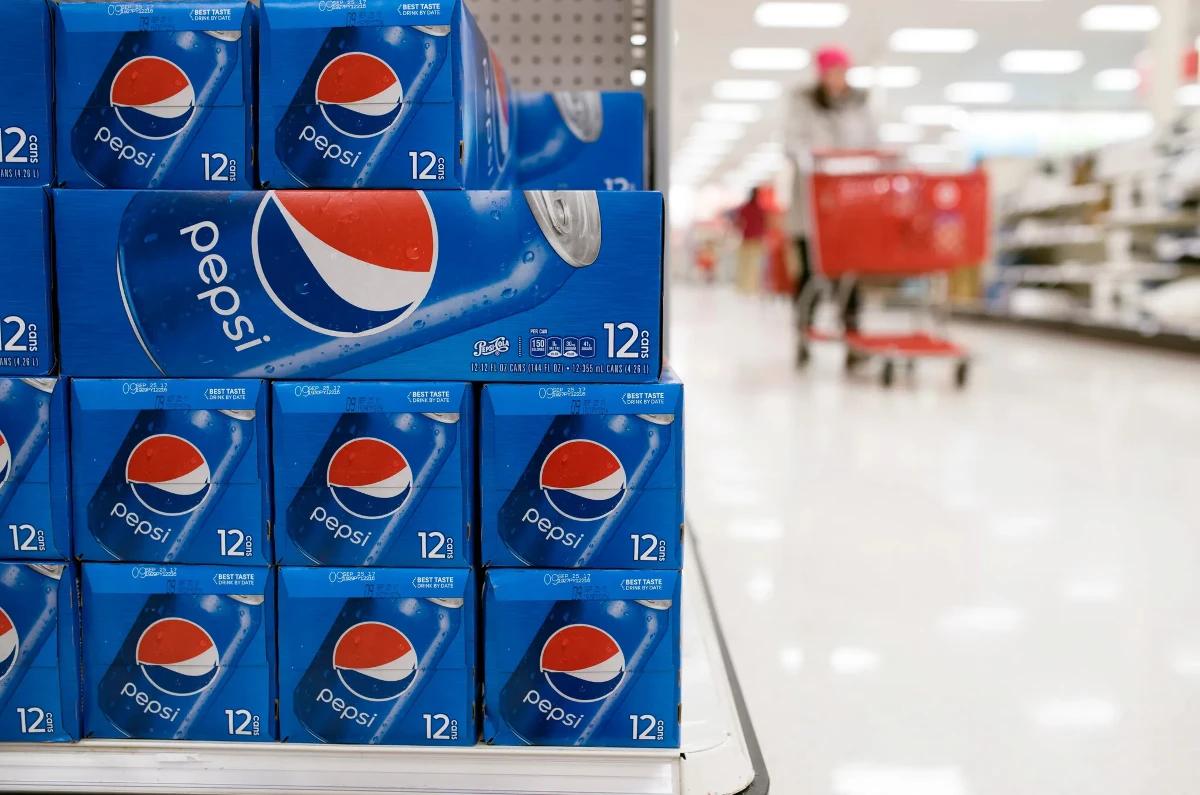
Domestically, Americans consume Diet Coke 2.5 times more than Diet Pepsi. In September 2025, Elliott Management acquired a $4 billion stake in PepsiCo, pushing for cost reductions and product portfolio streamlining. CEO Ramon Laguarta admitted dissatisfaction with the beverage business's performance and pledged improvements in the near term.
In its most recent quarter, PepsiCo's North American beverage unit saw volume decline by 2%, despite growth in brands like Gatorade and Aquafina. The company plans to increase marketing investment for Pepsi, Mountain Dew, and Poppi to secure retail dominance.
While the 'Cola Wars' have spanned over a century, they have been instrumental in brand identity. Coca-Cola associates itself with traditional family values, while Pepsi targets youth through pop culture. Through persistent PR campaigns, both brands maintain recognition levels exceeding 94%.
The future of this battle is expected to focus on functional beverages, or 'Bio-fizz.' The $2 billion acquisition of Poppi illustrates Pepsi's efforts to reach customers prioritizing digestion and immunity. Analysts predict that by 2027, a race to acquire protein and vitamin beverage startups will intensify as both giants vie for a larger share of the daily consumer basket.