6 Science-Backed Menu Suggestions for Sustainable Weight Loss Without Nutritional Deficiency
Explore 6 science-backed weight loss menu suggestions, focusing on balancing energy and essential nutrients to maintain long-term health.

Scientific weight loss involves adjusting caloric intake to be lower than expenditure while ensuring a sufficient supply of protein, essential fats, fiber, vitamins, and minerals. Overly restrictive calorie cutting or rigid menus can lead to fatigue, muscle loss, nutritional deficiencies, and difficulty maintaining weight stability later on.
Below are 6 simple weight loss menu suggestions using familiar ingredients that are easy to prepare at home and flexible enough to be adjusted for individual needs. Portions of rice, meat, fish, and other dishes should be adjusted based on weight, activity levels, and specific goals of each person.
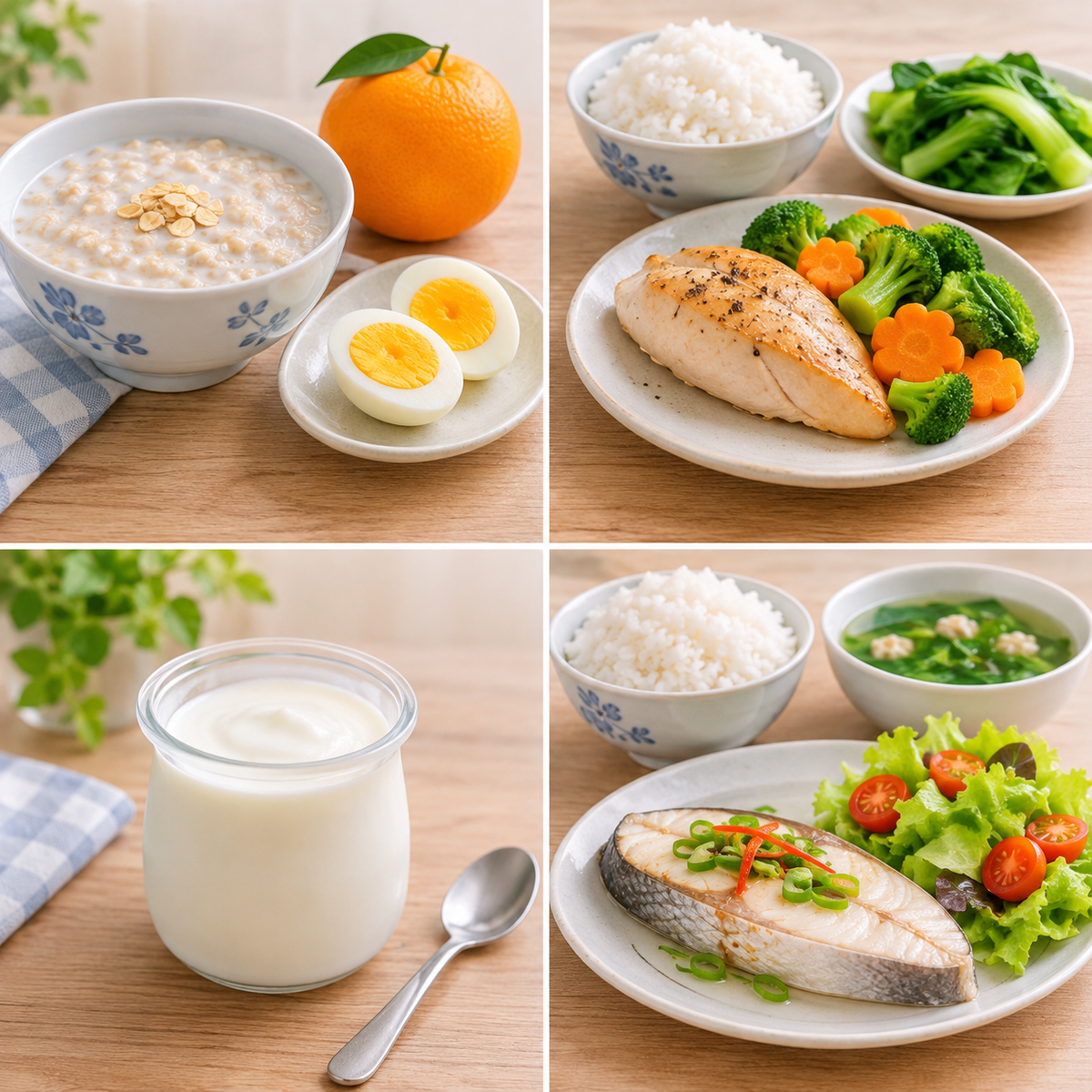
### 1. Menu with White Rice
White rice is not the direct cause of weight gain. The core issue lies in the total caloric intake and food combinations. By controlling portion sizes and incorporating enough protein and green vegetables, you can create a perfectly balanced meal.
### 2. Menu with Brown Rice
Brown rice retains its bran and germ, offering more fiber and micronutrients than white rice, which aids satiety and digestion. However, brown rice does not have 'magic' weight-loss effects if total calories are not managed. Individuals with sensitive digestive systems should increase brown rice consumption gradually to allow the body to adapt.
### 3. Menu with Sweet Potato
Sweet potatoes provide carbohydrates, fiber, potassium, and beta-carotene (especially in yellow or orange varieties), making them a great substitute for other starches. Note that they should not be consumed in unlimited quantities or paired with sugary foods. Always pair sweet potatoes with protein and greens for a balanced meal.
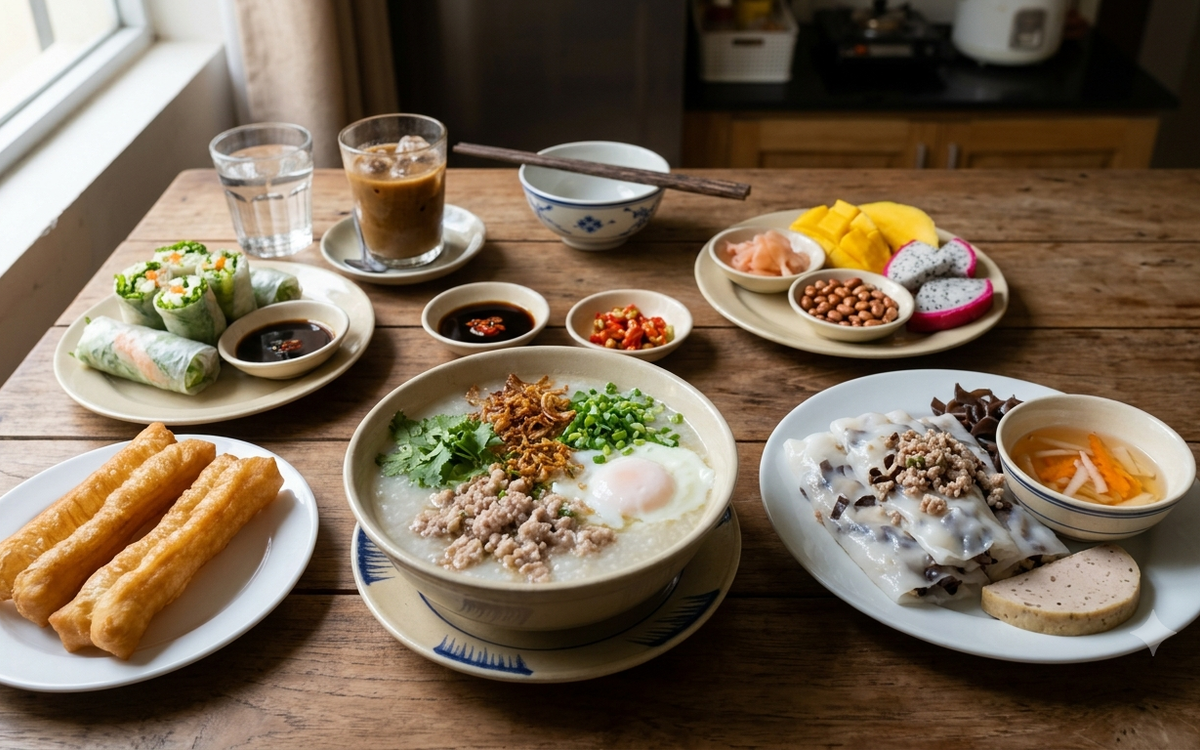
### 4. Menu with Eggs for Breakfast
Eggs are a high-quality protein source with essential amino acids, vitamin B12, and choline, which help increase satiety and maintain muscle mass. It is advisable to alternate eggs with other protein sources such as fish, lean meat, tofu, and dairy to ensure nutritional diversity.
### 5. Menu with Oats
Oats contain beta-glucan, a soluble fiber that enhances satiety and helps control blood cholesterol. It is recommended to choose whole oats and avoid instant products containing added sugar or synthetic flavorings.
### 6. Menu with Green Vegetables and Fruits
Green vegetables and fruits provide a wealth of vitamins, minerals, and antioxidants. With their high water and fiber content, they increase meal volume without excessive caloric density.

However, do not rely solely on fruits and vegetables. The body still requires protein and essential fats for proper function. Prioritize whole fruits over juices and diversify your vegetable intake daily.
### Key considerations for safe weight loss and maintenance
For sustainable weight loss, avoid excessive energy reduction, which leads to muscle loss and nutritional deficiency. Beyond diet, maintaining at least 150 minutes of moderate-intensity aerobic exercise per week, sleeping 7-9 hours per night, and tracking metrics such as waist circumference in addition to weight are key to success. Listen to your body to choose a lifestyle that is most sustainable for you.