Vietnamese Dietary Sodium Intake: The Rising Burden of Cardiovascular Disease
On World Heart Day, experts urge the public to reduce salt intake and ultra-processed foods to prevent non-communicable diseases.

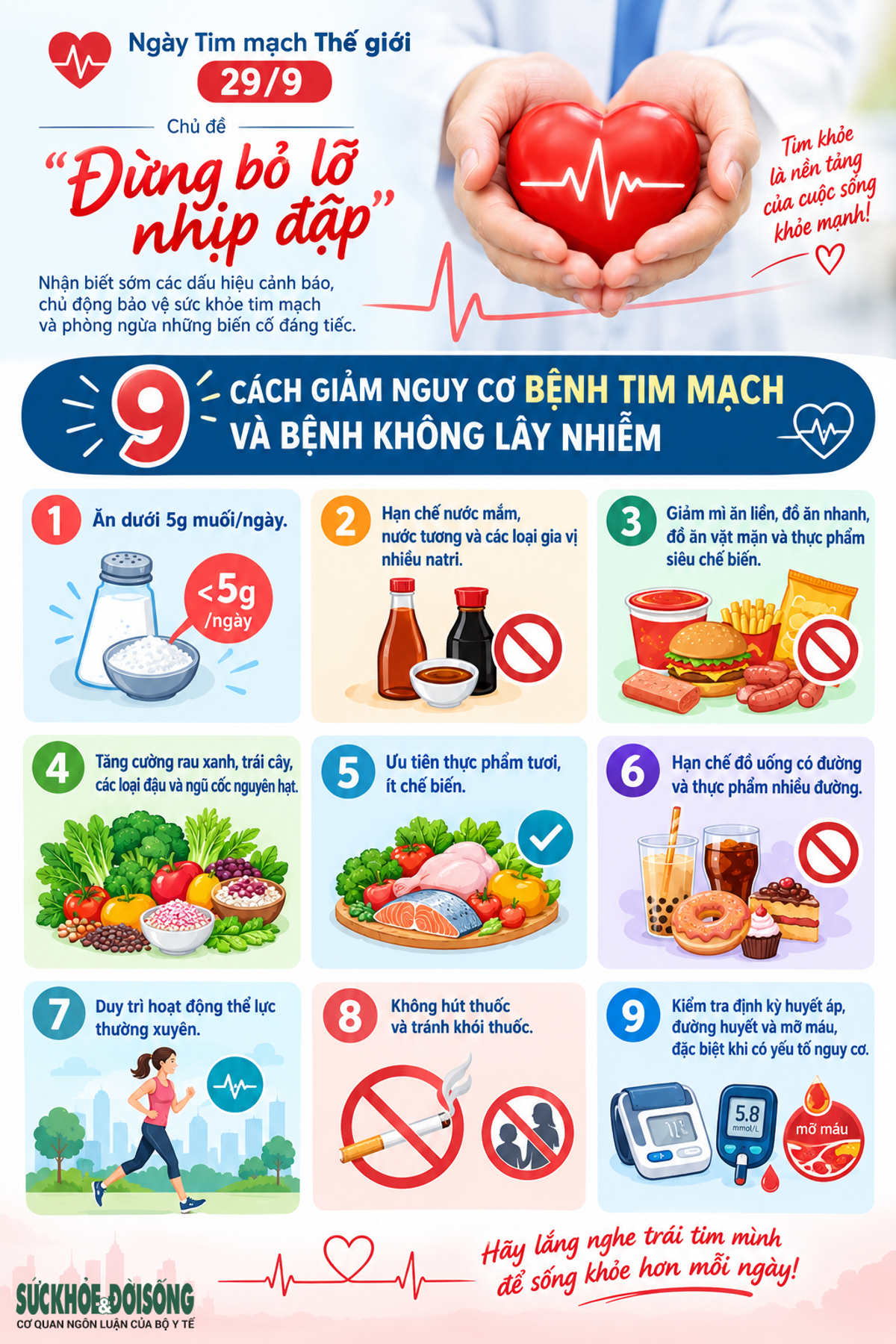
On World Heart Day (September 29), the World Health Organization (WHO) issued key recommendations on reducing salt intake, limiting ultra-processed foods, and promoting the adoption of front-of-pack nutrition labeling. These essential measures aim to empower consumers to make smarter food choices and safeguard their cardiovascular health.
According to MSc. Nguyen Thi Hue from the Cardiology Department at Ha Dong General Hospital, non-communicable diseases (NCDs) are the leading cause of death globally. In 2021 alone, cardiovascular disease claimed at least 19 million lives. In Vietnam, these diseases, alongside cancer, diabetes, and chronic respiratory issues, account for approximately 80% of total deaths. Unhealthy diets, smoking, and sedentary lifestyles are primary contributors to the prevalence of these conditions.

While WHO recommends that adults consume less than 5g of salt per day, the average salt intake in Vietnam currently stands at approximately 8.1g per day. Assoc. Prof. Dr. Truong Tuyet Mai, Deputy Director of the National Institute of Nutrition, notes that sodium is not only present in added salt but is also hidden in processed foods, bread, and various dipping sauces. Therefore, controlling intake requires more than just limiting seasoning during cooking; it requires a deep understanding of the nutritional content of daily consumed food.
To improve public health, experts are collaborating to establish a more robust regulatory framework. Dr. Angela Pratt, WHO Representative to Vietnam, emphasizes that providing technical support to the Ministry of Health in drafting circulars on nutritional labeling is a major milestone. This creates the foundation for implementing front-of-pack warning labels, allowing consumers to easily identify products with excessive salt, sugar, or fat content.

Moving toward a healthier food environment, experts urge the public to prioritize fresh, whole foods and minimize the consumption of fast food and ultra-processed items. Beyond regular check-ups for blood pressure and cholesterol levels, individuals must proactively change their dietary behaviors to protect their hearts from avoidable risks.