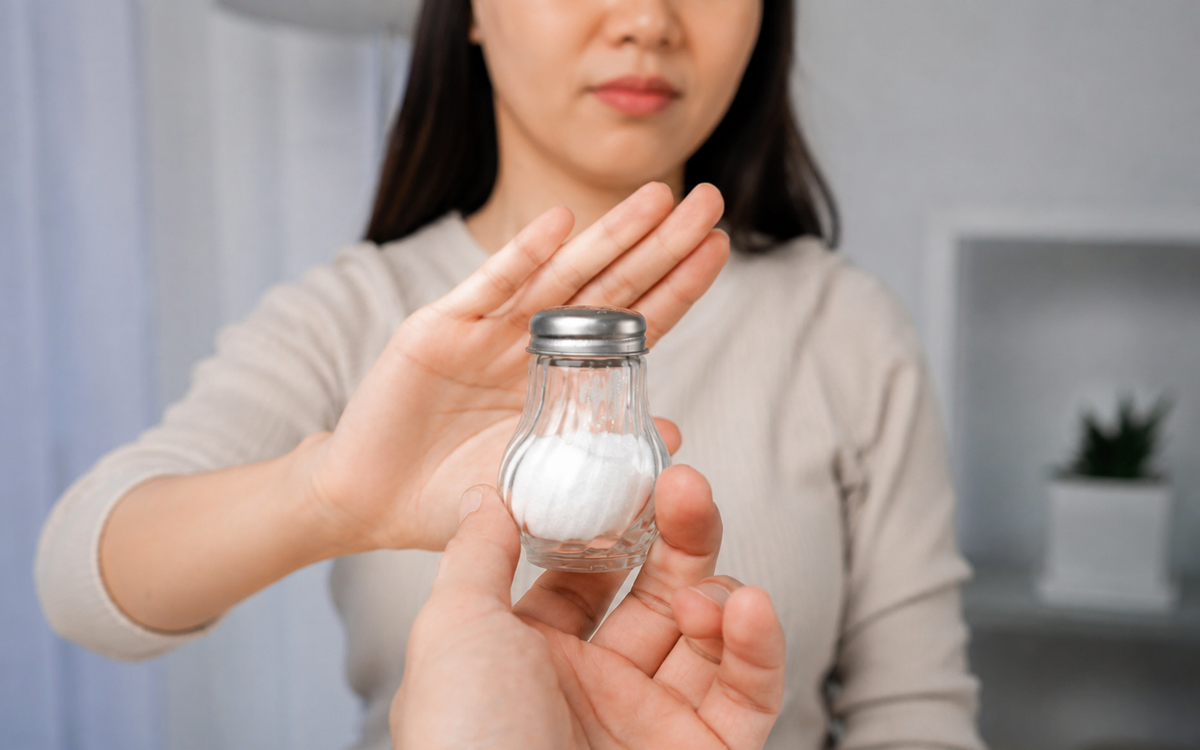
Staying Vigilant Against Hidden Sodium in Food: Protecting Cardiovascular Health
Discover how to identify and control hidden sodium in daily foods to prevent hypertension and cardiovascular diseases according to scientific recommendations.

Sodium is an essential mineral for the body's physiological functions; however, exceeding recommended intake levels can lead to hypertension, significantly increasing the risk of cardiovascular disease and stroke. Managing sodium intake goes beyond simply reducing salt while cooking; it requires a comprehensive look at all sodium sources in the daily diet.
According to the World Health Organization (WHO), adults should consume less than 2,000 mg of sodium per day, equivalent to less than 5g of salt. This limit includes the total sodium content from natural foods, seasonings, condiments, and processed food products.

It is noteworthy that foods high in sodium do not always taste salty. Besides table salt (sodium chloride), sodium is present in various additives such as monosodium glutamate (MSG), sodium bicarbonate, and preservatives. Consequently, consumers often overlook sodium sources in bread, biscuits, breakfast cereals, or cheese without realizing it.
Research from the National Institute of Nutrition indicates that in Vietnam, seasonings used during cooking and at the dining table contribute about 81% of total sodium intake. Additionally, processed foods like sausages, ham, canned meat, and convenience items such as instant noodles and frozen foods frequently contain high levels of sodium due to processing and preservation techniques.

To effectively control sodium intake while maintaining meal flavors, consumers can adopt the following measures: First, prioritize fresh whole foods over processed ones. Second, limit the habit of using extra fish sauce or condiments at the table. Third, use lemon, vinegar, garlic, chili, and herbs to enhance flavor instead of salt.
Furthermore, forming a habit of checking nutritional labels is essential. Consumers should focus on sodium content per serving rather than relying on marketing labels like 'low fat' or 'natural.' For individuals undergoing treatment for hypertension or those with kidney issues, consulting a doctor before switching salt types or using potassium-based salts is crucial to avoid unwanted health complications.