Decoding 'stressed pork' phenomenon: Scientific basis and consumer reactions
Scientific explanation of pale, soft, and exudative (PSE) pork, along with public concerns regarding food safety standards.

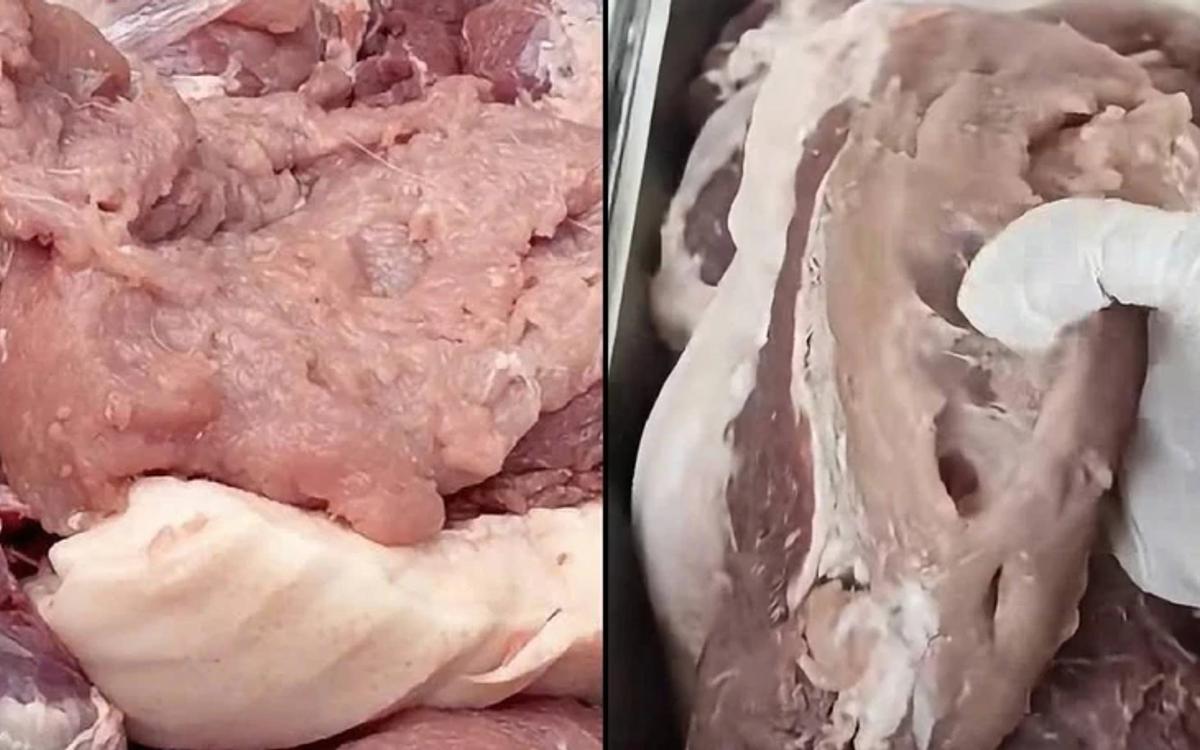
Recently, an incident involving pale, soft, and exudative (PSE) pork served at a kindergarten in Hanoi has sparked significant public concern. In response to feedback from parents, the food supplier attributed the condition to the pig experiencing stress prior to slaughter.
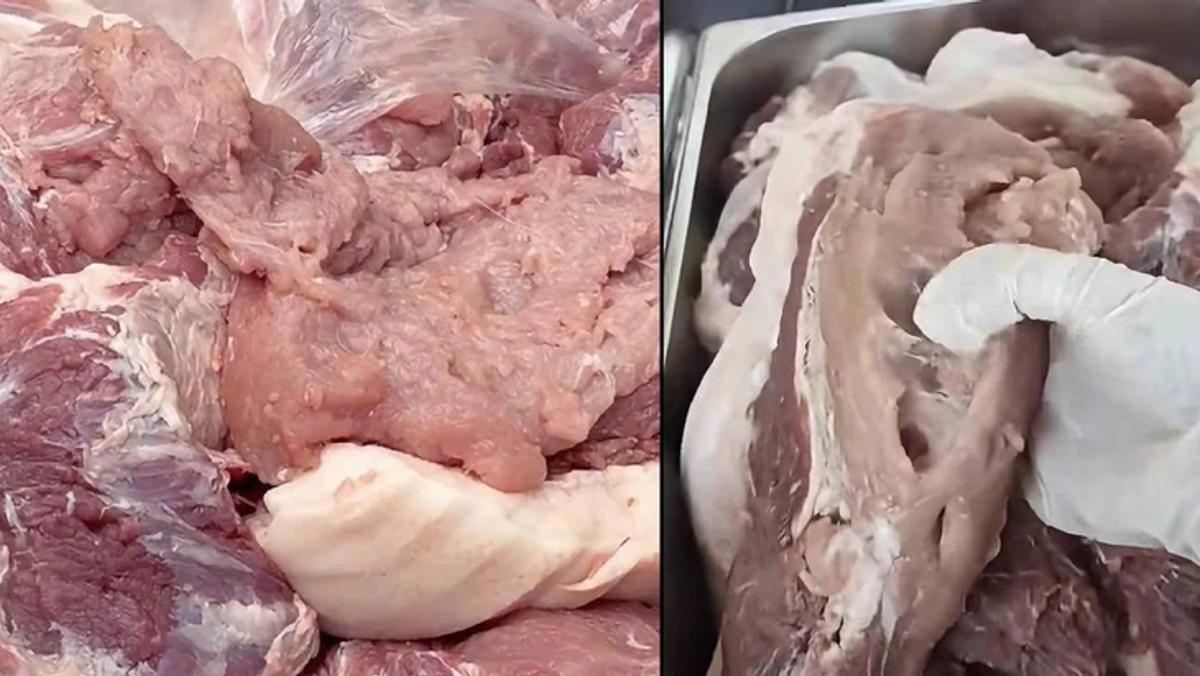
Technically, food experts explain that when pigs experience stress before slaughter, the breakdown of glycogen into lactic acid intensifies. This lowers the product's pH level, causing the meat surface to become wet, denaturing proteins, and resulting in soft, mushy, and exudative tissue. Furthermore, if post-slaughter cooling is inadequate, large muscle groups such as the rump or shoulder may retain heat, leading to pale and softened meat.

However, this explanation has met with strong public opposition. Many parents argued that using the term 'stress' to justify quality issues is unconvincing. They suggested that rather than relying on subjective justifications from suppliers, competent authorities should conduct independent laboratory tests and verify the findings against established food safety standards.

The community, especially parents, emphasized that food safety for children's meals must be the highest priority. Many urged for more decisive intervention from regulatory agencies to ensure quality control processes from slaughter to distribution, rather than accepting subjective explanations.
This incident has also raised concerns regarding the process of selecting meal contractors. Instead of allowing schools to decide individually, many have recommended that local authorities should oversee the bidding process to ensure transparency and strictly enforced food safety standards.