Insulin Resistance: Is It Necessary to Completely Eliminate Starch and Increase Protein Intake?
Discover how to scientifically adjust your diet to manage insulin resistance without completely eliminating essential food groups.

Insulin resistance occurs when cells in the muscles, liver, and adipose tissue show reduced responsiveness to insulin, forcing the pancreas to overproduce this hormone to keep blood glucose levels stable. This is a central mechanism leading to prediabetes, type 2 diabetes, fatty liver, and metabolic syndrome.
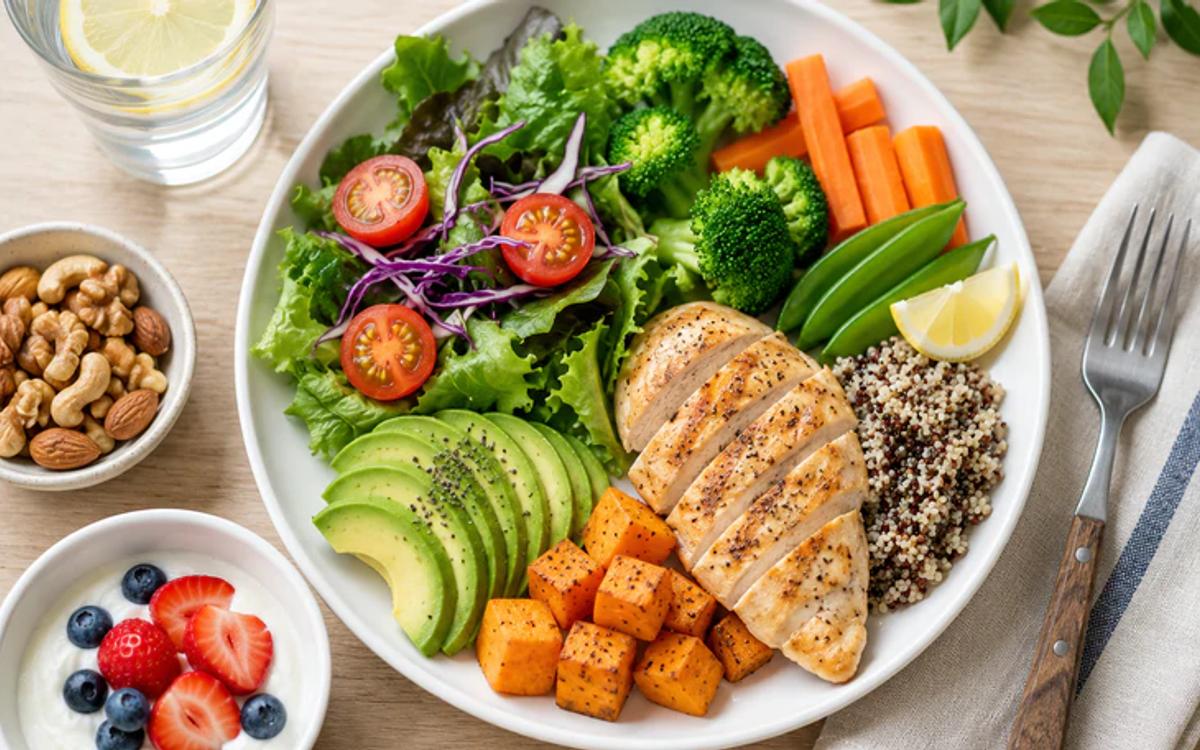
Insulin resistance occurs when cells respond poorly to insulin, requiring the body to secrete more hormone to move glucose into cells. This condition is often associated with a sedentary lifestyle, weight gain, and an imbalanced diet. Carbohydrates play a major role in glucose production, directly impacting blood sugar levels. Therefore, managing carbohydrate intake is necessary, but it does not mean completely eliminating starch from the diet.
According to the American Diabetes Association (ADA), there is no fixed carbohydrate ratio that applies to everyone. Instead of elimination, patients should distinguish between refined carbohydrates (such as soft drinks, cakes, and white bread) and fiber-rich carbohydrates (whole grains, legumes, vegetables, and fruits). Adjusting intake based on individual energy needs and health status is a more crucial strategy.

Protein is essential for maintaining muscle mass and hormonal balance. However, replacing starch with large amounts of protein from meat, eggs, or protein powder is not considered a treatment for insulin resistance. Excessive protein consumption can increase total energy intake and pose risks of excess saturated fat or sodium if the source is not carefully chosen. For individuals with kidney disease, increasing protein requires strict guidance and monitoring from a specialist physician.
Instead of obsessing over eliminating specific food groups, those with insulin resistance should adopt the 'healthy plate' principle: half the plate with non-starchy vegetables, one-quarter with protein, and one-quarter with carbohydrates. Prioritize whole grains, fish, poultry, and tofu. Most importantly, combining physical activity such as walking, aerobics, and strength training helps the body utilize glucose more effectively, significantly improving insulin sensitivity.