Exposing Sophisticated Tactics in Online Counterfeit Food Sales
Ho Chi Minh City authorities warn against sophisticated tactics like using fake accounts and private transactions to sell counterfeit food, complicating food safety enforcement.
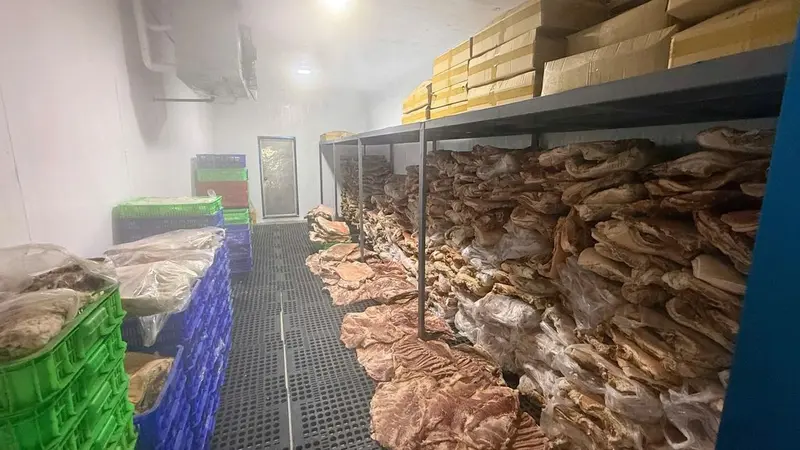
The Market Management Department of Ho Chi Minh City has issued a warning regarding the challenges in curbing the sale of counterfeit and low-quality food online. Common violations include trading food with unknown origins, goods lacking labels or featuring inaccurate labeling, and failure to meet proper storage conditions. Notably, many perpetrators promote products with false claims to deceive consumers.
According to authorities, online business methods are becoming increasingly dynamic. Perpetrators frequently use virtual accounts, operate without fixed business locations, constantly change their sales information, and conduct transactions via private messages. Shipments are typically handled through third-party logistics providers, making it extremely complex to identify business owners, warehouse locations, and gather evidence.
The rise of postal and express delivery services presents significant obstacles. Goods are often split into small packages, legitimized with circular invoices, and transported as small parcels, complicating efforts to track flows from central warehouses. In early 2026, Ho Chi Minh City Police dismantled an inter-provincial ring, seizing over 50 tons of counterfeit food, highlighting the dangerous scale of such operations.
To counter this, the Market Management Department of HCMC will intensify area supervision plans, focusing on essential items such as processed foods, confectionery, alcohol, and health supplements during the peak year-end and 2027 Lunar New Year periods. Authorities will coordinate closely to review and request e-commerce platforms to remove violating stores and perform thorough product traceability.