3 Simple Methods to Identify Spoiled Eggs and Safe Preparation Principles
A guide on identifying old or spoiled eggs through visual and olfactory inspection, along with essential preparation principles to prevent food poisoning from Salmonella bacteria.
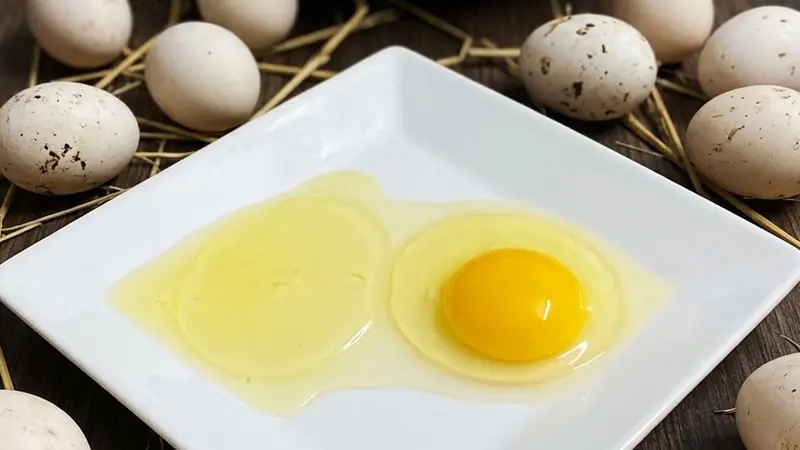
Chicken and duck eggs are essential sources of protein in our daily diet. However, improper storage can create favorable conditions for bacteria to enter and degrade the food quality. Early identification of spoiled egg signs not only helps reduce waste but, more importantly, protects your health by preventing the risk of food poisoning caused by dangerous bacteria such as Salmonella.

### How to identify spoiled eggs when shopping
For eggs purchased at supermarkets, consumers should pay attention to package labels such as the Pack date, Sell-by date, and Expiration date. Eggs kept under constant refrigeration can maintain safety for 21-30 days from the packaging date. For eggs bought at traditional markets, apply the following three visual inspection methods:
1. **Olfactory Inspection:** This is a highly accurate method. Spoiled eggs, whether raw or cooked, emit a distinct and pungent sulfur smell. If the shell is too thick to smell, crack the egg into a clean bowl; if there is an unusual odor, discard the egg immediately.
2. **Inspecting Shell and Yolk Quality:** The shell must be dry and intact. Avoid eggs with a sticky film (a sign of bacteria) or a fine powdery coating (a sign of mold). When cracked, if the white or yolk shows abnormal colors like pinkish, greenish, or rainbow hues, it is a sign of necrosis due to bacterial growth.
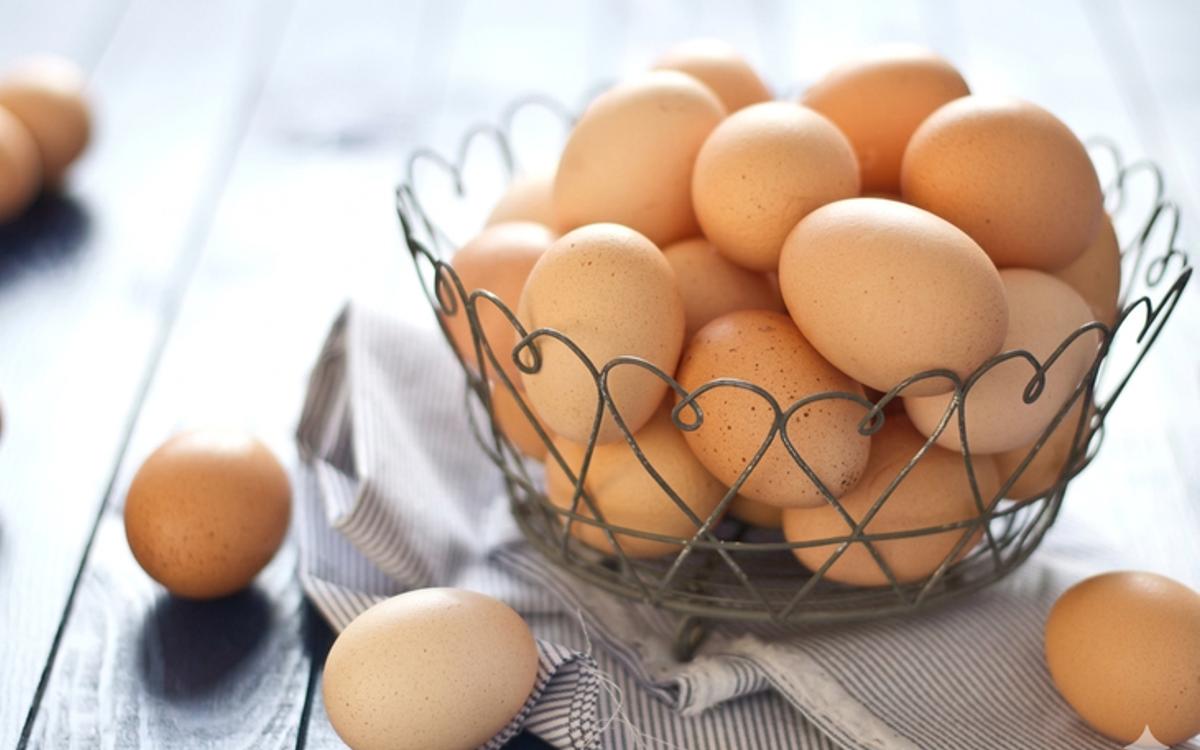
3. **Float Test:** Place the egg in a bowl of deep water. If the egg sinks to the bottom, it is very fresh. If it stands upright or hovers, it is old but still usable. If the egg floats entirely to the surface, the air pocket inside has become too large; you must check the smell before deciding whether to cook it.
### Safe Egg Preparation Principles
Salmonella bacteria can exist even in eggs that appear and smell perfectly normal. Therefore, checking for freshness is only the first step; proper preparation is key to ensuring safety:
- Always wash your hands with soap after handling raw eggshells.
- Avoid contact between raw eggs and ready-to-eat foods to prevent cross-contamination.
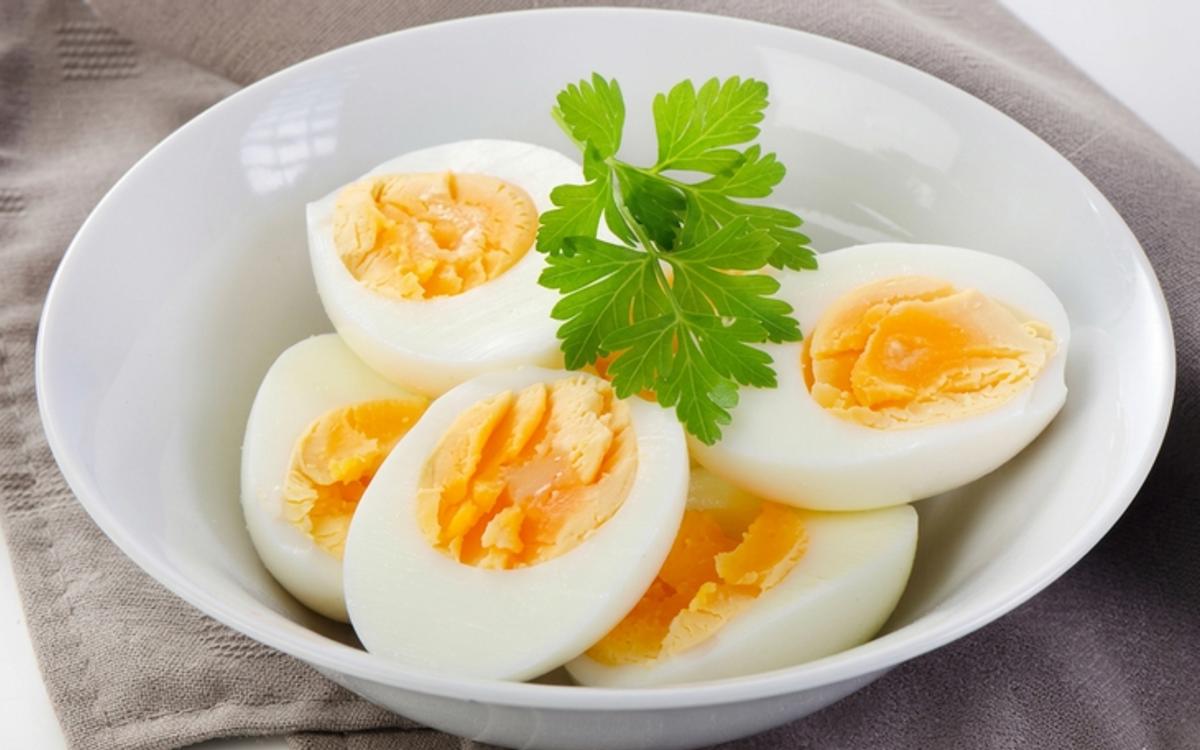
- Limit the consumption of soft-boiled eggs of unknown origin. Eggs should be cooked until both the yolk and white are solidified to completely eliminate bacteria.
Tag: