5 Health Benefits of Duck Meat and Tips for Safe Consumption This Summer
Discover the nutritional value of duck meat, its benefits for cardiovascular and nervous systems, and important safety tips to prevent Salmonella infection.
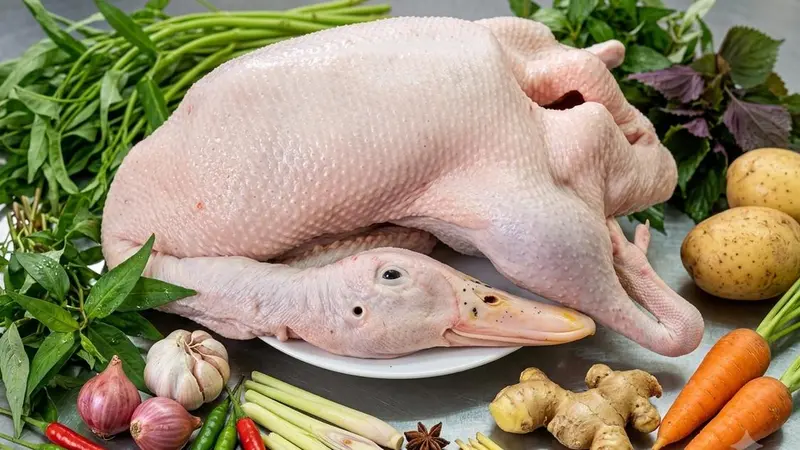
Duck meat is not only a culinary staple but also a rich source of nutrition. Despite concerns regarding its fat content, modern medicine has demonstrated that it offers significant health benefits when consumed correctly.
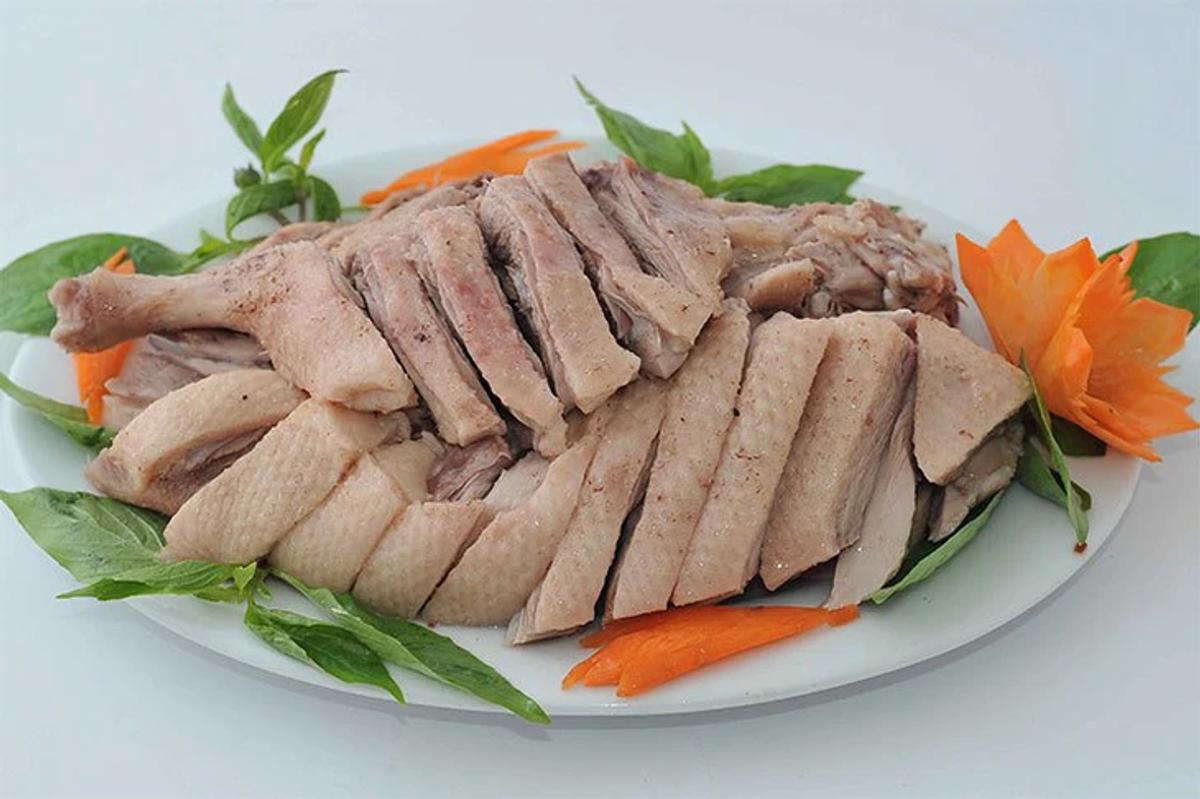
### 1. Exceptional Nutritional Value of Duck Meat
Duck meat provides high-quality protein, B vitamins, iron, and selenium. Unlike common animal fats, duck fat features a unique fatty acid profile, rich in monounsaturated and polyunsaturated fats (omega-3 and omega-6). 100g of duck meat contains approximately 17.8 - 23.5g of protein and essential minerals. Notably, removing the skin significantly reduces calorie content, making it an ideal choice for a healthy diet.
### 2. Top 5 Health Benefits of Duck Meat
The synergy between biological compounds and minerals supports overall bodily function:
- **Cardiovascular Protection:** Monounsaturated fatty acids help maintain HDL (good) cholesterol and reduce LDL (bad) cholesterol.
- **Blood Sugar Stability:** Supports glycemic control when substituted for carbohydrate-heavy foods.
- **Muscle Development:** High protein content provides the essential amino acids needed for tissue repair.
- **Blood and Brain Health:** Iron combined with vitamins B3 and B12 aids hemoglobin production and enhances focus.
- **Immune Support:** Selenium acts as a potent antioxidant, helping to mitigate inflammatory responses.
### 3. Safety Precautions and Potential Risks
While nutritious, duck contains saturated fat. Individuals with cardiovascular disease, hyperlipidemia, or hypertension should limit skin and fat intake. Those with gout should avoid it due to high purine content, which can trigger acute pain by increasing uric acid levels. Since duck meat is considered 'cooling' in traditional nutrition, those with sensitive digestion should moderate their intake.
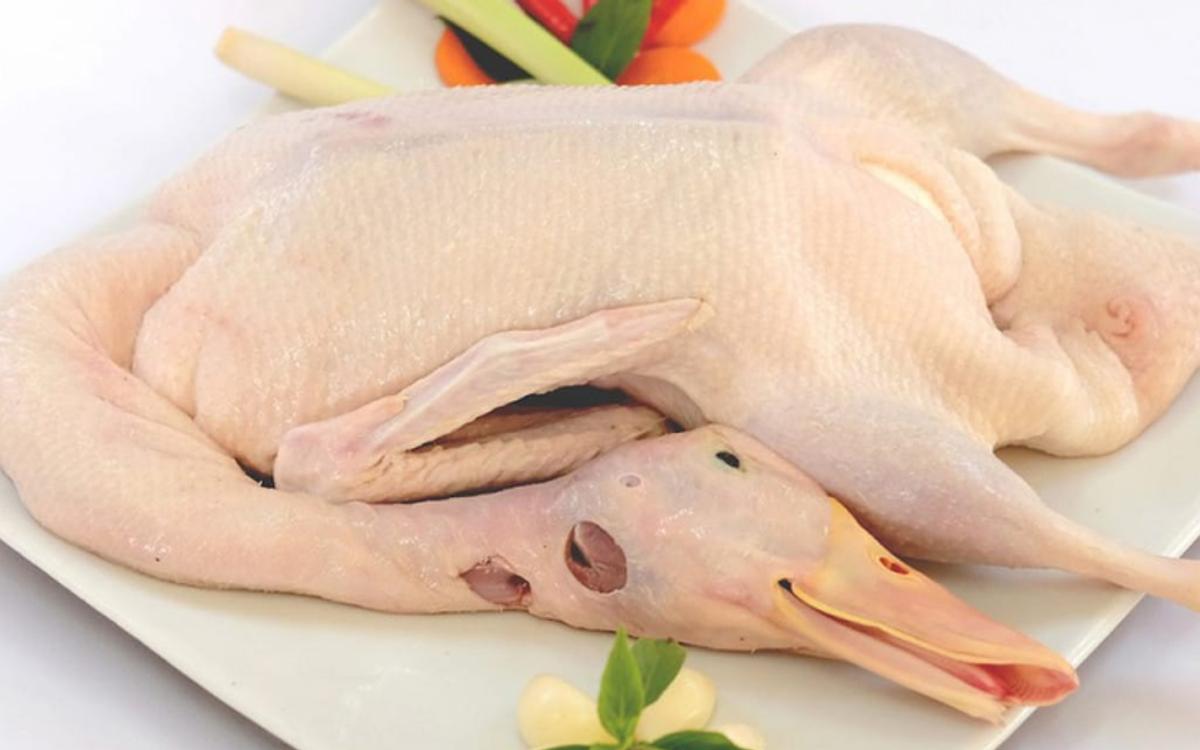
### 4. Proper Preparation to Prevent Food Poisoning
To avoid cross-contamination, particularly from Salmonella—a bacterium causing food poisoning lasting 4-7 days—strict hygiene must be observed:
- Thoroughly sanitize kitchen surfaces, cutting boards, and knives after handling raw meat.
- Store meat in sealed containers in the refrigerator.
- Always ensure the meat is fully cooked to an internal temperature of at least 75°C. Steaming or boiling is recommended over frying to preserve nutritional integrity.
Tag: