6 Types of Fish Recommended by Doctors for Heart Health
Discover 6 types of omega-3-rich, low-mercury fish recommended by medical experts to effectively support cardiovascular health.

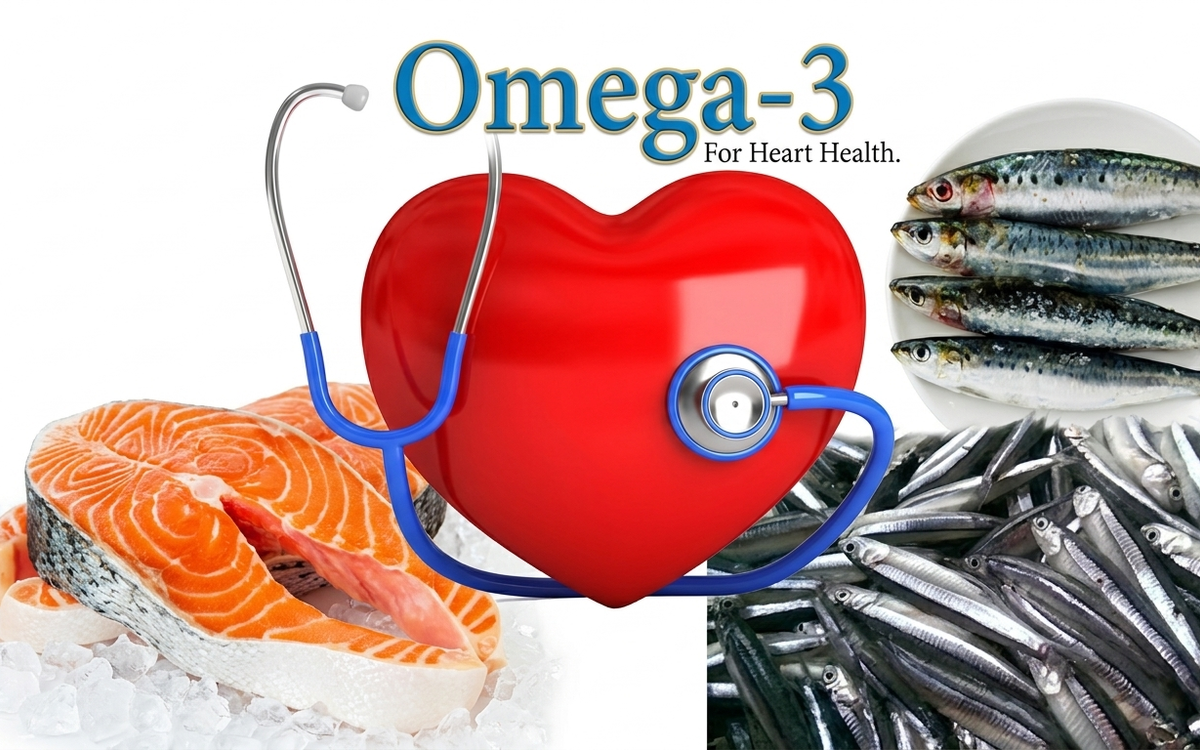
Fish and seafood provide essential proteins, vitamins, and minerals. Specifically, fatty fish are excellent sources of omega-3 fatty acids, including EPA and DHA, which play a crucial role in maintaining heart health. According to the American Heart Association (AHA), adults are advised to consume two servings of fish per week, with a preference for fatty fish.
Dr. Angela Ryan Lee, a cardiologist and internist in Ohio (USA), has identified 6 types of fish that are most beneficial for cardiovascular health: salmon, herring, sardines, Atlantic and Pacific mackerel, trout, and anchovies.
<h3>1. Salmon</h3>

Salmon is a top choice due to its high omega-3 content and low mercury levels. A 113g serving provides approximately 23-25g of protein along with valuable nutrients such as vitamin B12, vitamin D, and selenium. The U.S. Food and Drug Administration (FDA) categorizes salmon as a 'Best Choice,' suitable for both farmed and wild-caught varieties.
<h3>2. Herring</h3>Herring is an abundant source of omega-3, protein, and vitamin B12. However, consumers should exercise caution when selecting pickled, salted, or smoked herring as they often contain high levels of sodium, which can negatively impact blood pressure. Opt for fresh or frozen herring and minimize salt during preparation.
<h3>3. Sardines</h3>Despite their small size, sardines are packed with nutrients including omega-3, protein, iron, and selenium. Especially when consuming the soft bones, users also get a boost of calcium and vitamin D. The FDA lists sardines as a 'Best Choice'; however, for canned sardines, carefully check the nutritional label to select low-sodium options.
<h3>4. Atlantic and Pacific Mackerel</h3>
These mackerel varieties are rich in omega-3, protein, and iron, and are categorized as safe regarding mercury levels by the FDA. It is important to distinguish them from king mackerel, which should be avoided due to very high mercury content.
<h3>5. Trout</h3>Trout is a freshwater fish that provides important nutrients such as omega-3, selenium, vitamin B12, and vitamin D. Including trout in your diet helps diversify your nutrient intake while following the FDA's guidelines for safe food selection.
<h3>6. Anchovies</h3>Anchovies are packed with protein, omega-3, iron, calcium, and selenium. They are an excellent choice within the 'Best Choices' group. Similar to sardines, be mindful of the sodium content in salted or canned anchovies and adjust other seasonings accordingly.
<h3>Notes on Mercury and Preparation</h3>

Food selection must balance nutritional benefits with the control of methylmercury, which tends to accumulate in larger fish species. Regarding preparation methods, steaming, boiling, grilling, or pan-searing are preferred over deep-frying to minimize saturated fats and excess sodium.

In conclusion, incorporating these 6 types of fish into your diet, combined with healthy preparation methods, will significantly help improve cardiovascular health for all populations.