8 Potassium-Rich Foods to Maintain Health and Stabilize Blood Pressure
Discover the importance of potassium for the body and a list of 8 natural, potassium-rich foods that help maintain electrolyte balance and cardiovascular health.
Potassium, alongside other essential electrolytes like sodium, calcium, and magnesium, plays a fundamental role in maintaining electrolyte balance, ensuring normal biological functions. Recognizing signs of deficiency and supplementing correctly is key to protecting overall health.

When the body is not provided with sufficient potassium through diet, various warning signals emerge. The most prominent symptoms are muscle cramps and aches, as potassium regulates muscle contraction and relaxation. A deficiency makes muscle fibers prone to sudden spasms, especially during or after intense physical activity.
Additionally, low potassium levels lead to persistent fatigue and sluggishness despite adequate rest. The digestive system is also negatively affected as gut motility decreases, leading to bloating, abdominal distension, and chronic constipation. Imbalance between potassium and sodium also puts pressure on the cardiovascular system, manifesting as dizziness, palpitations, or abnormal heart fluttering.
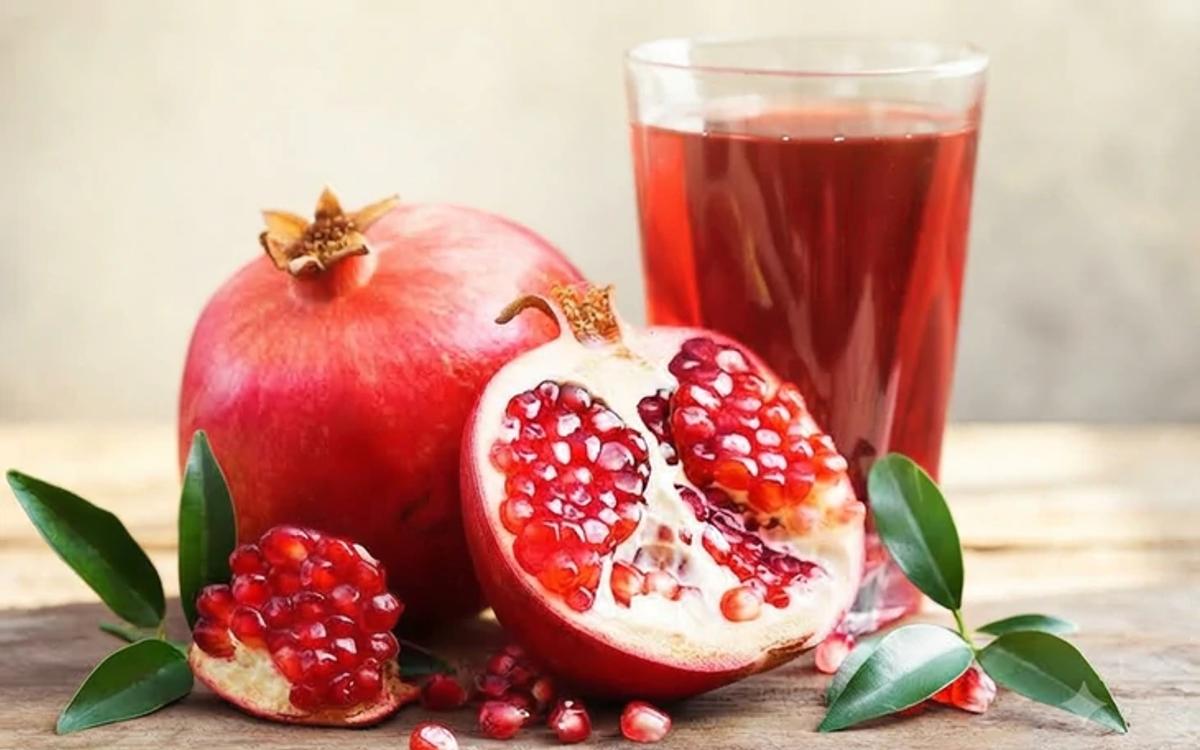
According to the U.S. National Institutes of Health (NIH) and the U.S. Department of Agriculture (USDA), adult men should consume about 3,400 mg of potassium daily, while the recommended level for women is about 2,600 mg. Below are 8 potassium-rich foods to prioritize in your daily diet:
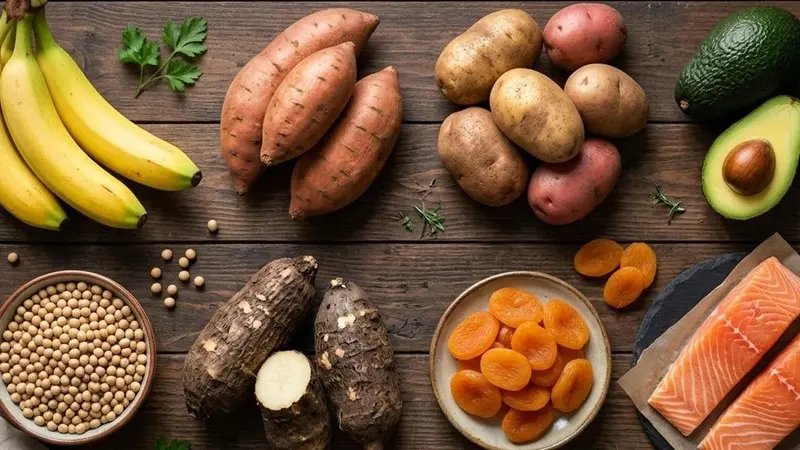
1. Bananas: A convenient food source providing about 7% of the Daily Value (DV) of potassium. 2. Sweet Potatoes: A serving of baked sweet potato (approx. 200g) provides 20% DV of potassium and abundant vitamin A. 3. Legumes: Cooked white beans provide 21% DV, and cooked soybeans offer 19% DV of potassium along with quality plant-based protein. 4. Potatoes: Best baked or steamed to retain the 19% DV of potassium found in the skin. 5. Yams: Supports metabolism with approximately 19% DV of potassium per serving. 6. Salmon: Provides 16.5% DV of potassium combined with omega-3 fatty acids for heart protection. 7. Dried Apricots: An excellent snack choice with 16% DV of potassium and fiber. 8. Avocados: Contain 345 mg of potassium (7% DV) along with healthy fats to help manage blood pressure.
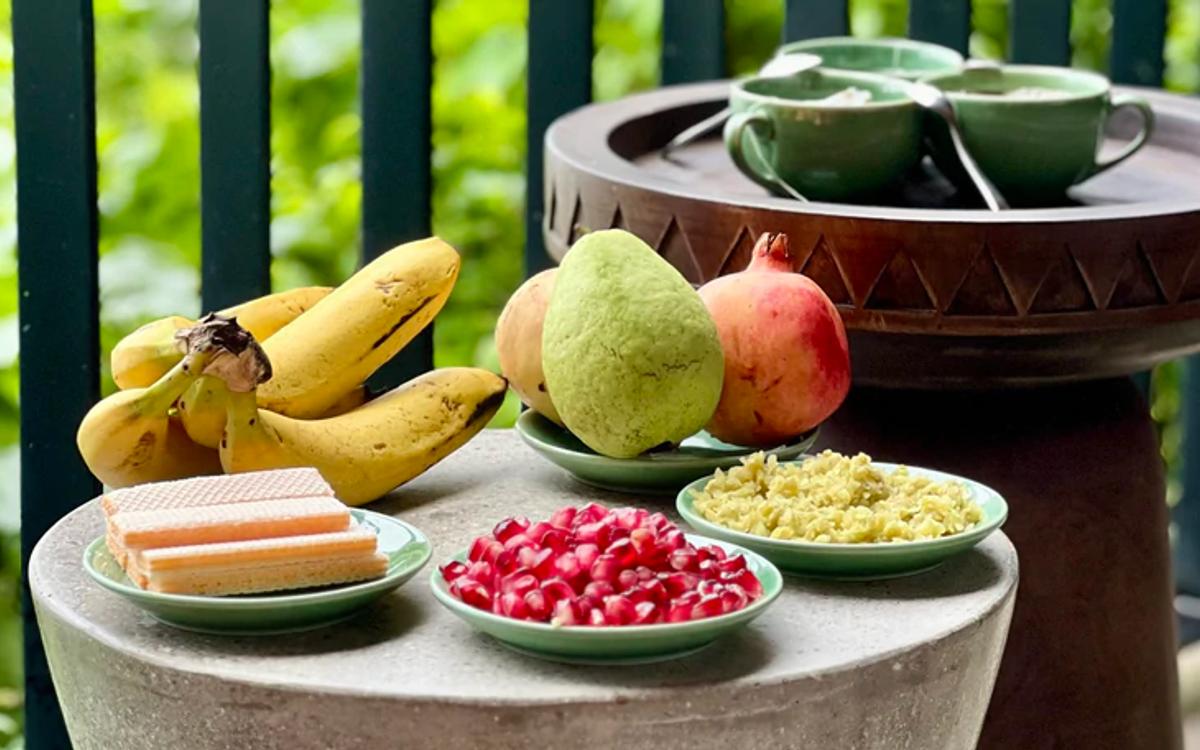
By diversifying food sources with vegetables, legumes, fish, and fresh fruit, consumers not only enrich their meals but also ensure adequate nutrient intake for the body. It is noted that individuals with underlying health conditions or those using diuretics and laxatives should consult their doctor to monitor blood potassium levels regularly.