What are Probiotics and Why Are They Important for Gut Health?
Learn about probiotics, their health benefits for the digestive system, and how to safely incorporate them into your daily diet.
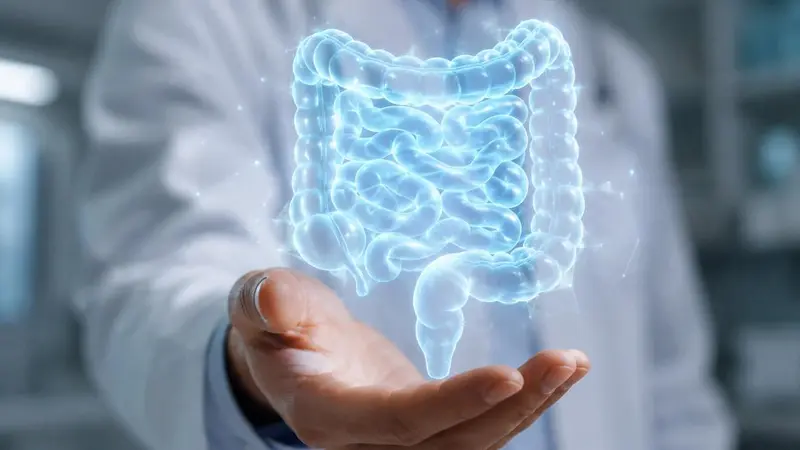
When discussing bacteria, many often think of harmful pathogens. However, not all bacteria are detrimental. Some live bacteria and yeasts, collectively known as probiotics, are beneficial to the body. They play a crucial role in overall health, particularly for the digestive system.
Probiotics are live microorganisms, primarily consisting of bacteria and certain yeasts, that provide health benefits when consumed in adequate amounts. In the gut, they help maintain the balance of the microbiota, support digestion, and inhibit the growth of harmful microorganisms. According to Associate Professor Dr. Nguyen Thi Lam, former Deputy Director of the National Institute of Nutrition: 'Beneficial bacteria compete with harmful ones, adhering to the intestinal lining to prevent viral attachment and ensuring a healthy digestive tract'.
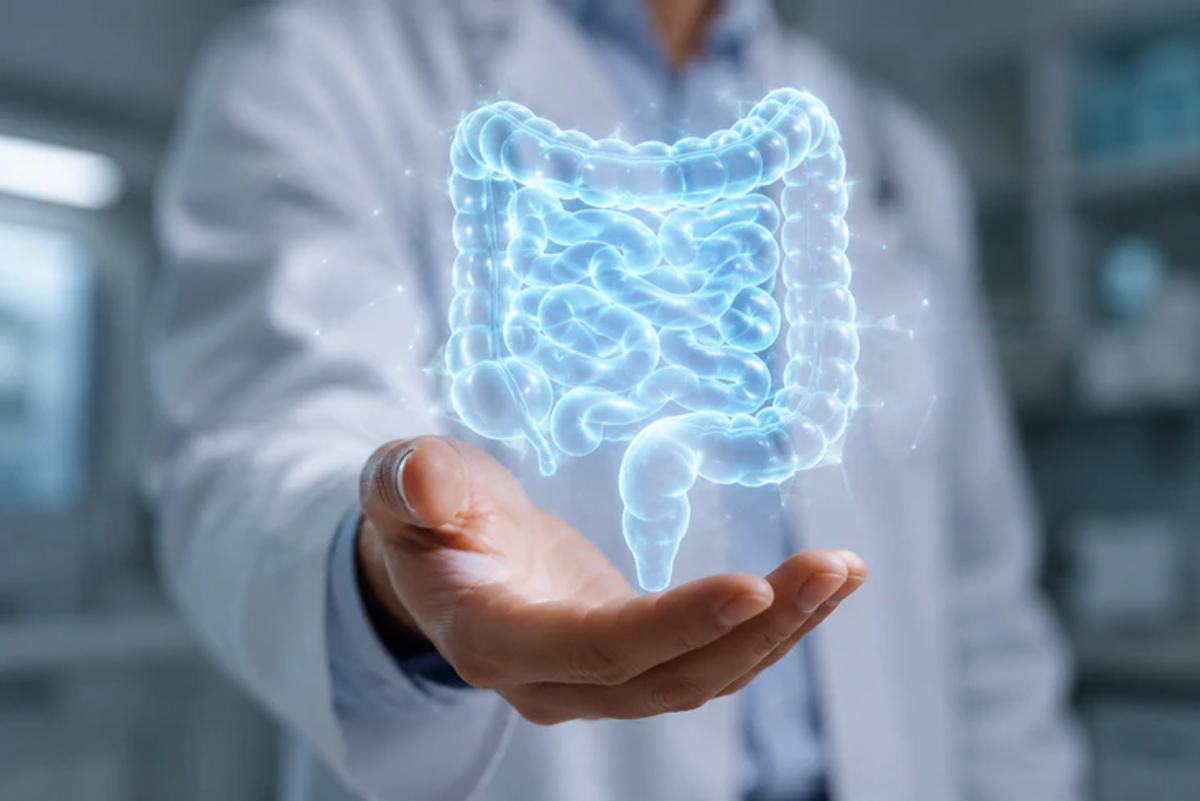
Probiotics offer various potential health impacts, including supporting the immune system, regulating inflammatory responses, and alleviating symptoms of Irritable Bowel Syndrome (IBS). Furthermore, they assist in preventing antibiotic-associated diarrhea, maintaining oral health, and are currently being studied for their links to weight management, cholesterol levels, and mental health.

Common probiotic strains include: Lactobacillus (found in yogurt), Bifidobacterium (supporting digestion), Streptococcus thermophilus, Saccharomyces boulardii, and Bacillus subtilis. To incorporate probiotics, consumers can choose fermented foods like yogurt with live cultures, kefir, kimchi, and sauerkraut. Note, however, that not all fermented products contain live microorganisms, especially if they have been heat-treated.
To foster a healthy gut microbiome, combine probiotics with a diet rich in fiber from fruits, vegetables, whole grains, and legumes, which serve as prebiotics. Note that probiotics do not replace medical treatment; individuals with underlying conditions or compromised immune systems should consult a physician before using probiotic supplements.