“Dining to Tell a Story”: The Experience Race in Vietnam’s F&B Industry
Explore the transformation of Vietnam's culinary industry, where cultural experiences and storytelling have become the defining factors in customer loyalty.
A silent yet decisive shift has been taking place in Vietnam's culinary sector. Consumers today are no longer just asking "what to eat," but rather "where to eat for an experience worth sharing."
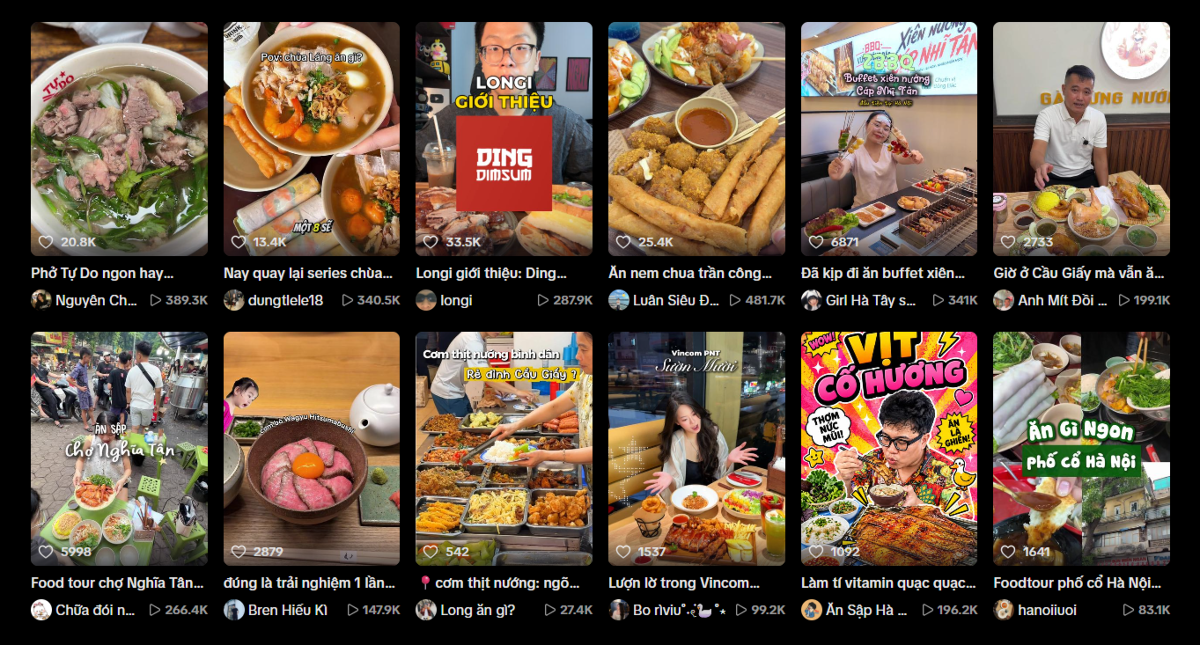
For a generation raised with smartphones, a meal has evolved beyond the plate to become a unit of digital content. Restaurants must now balance flavor, ambiance, and cultural storytelling to drive engagement. According to the 2025 Vietnam F&B Market Report by iPOS.vn, Nestlé Professional, and VIRAC, the industry operates around 329,500 outlets with revenue reaching approximately 726.5 trillion VND, a 5.5% increase year-on-year.
However, Mr. Nguyen Xuan Huy, General Manager of Unilever Food Solutions (UFS) Vietnam, notes that the market is polarizing. Despite a 13% growth in Q1/2026, the sector faced significant pressure in Q2 due to rising costs of raw materials and fuel. With Gen Z—a cohort of 14.4 million—spending an average of 900,000 VND per month on dining, brands must treat "experience" as a survival strategy rather than just a marketing buzzword.
The Future Menus event series by UFS has identified four key shifts: Streetfood Couture, Borderless Cuisine, Culinary Roots, and Diner Designed.
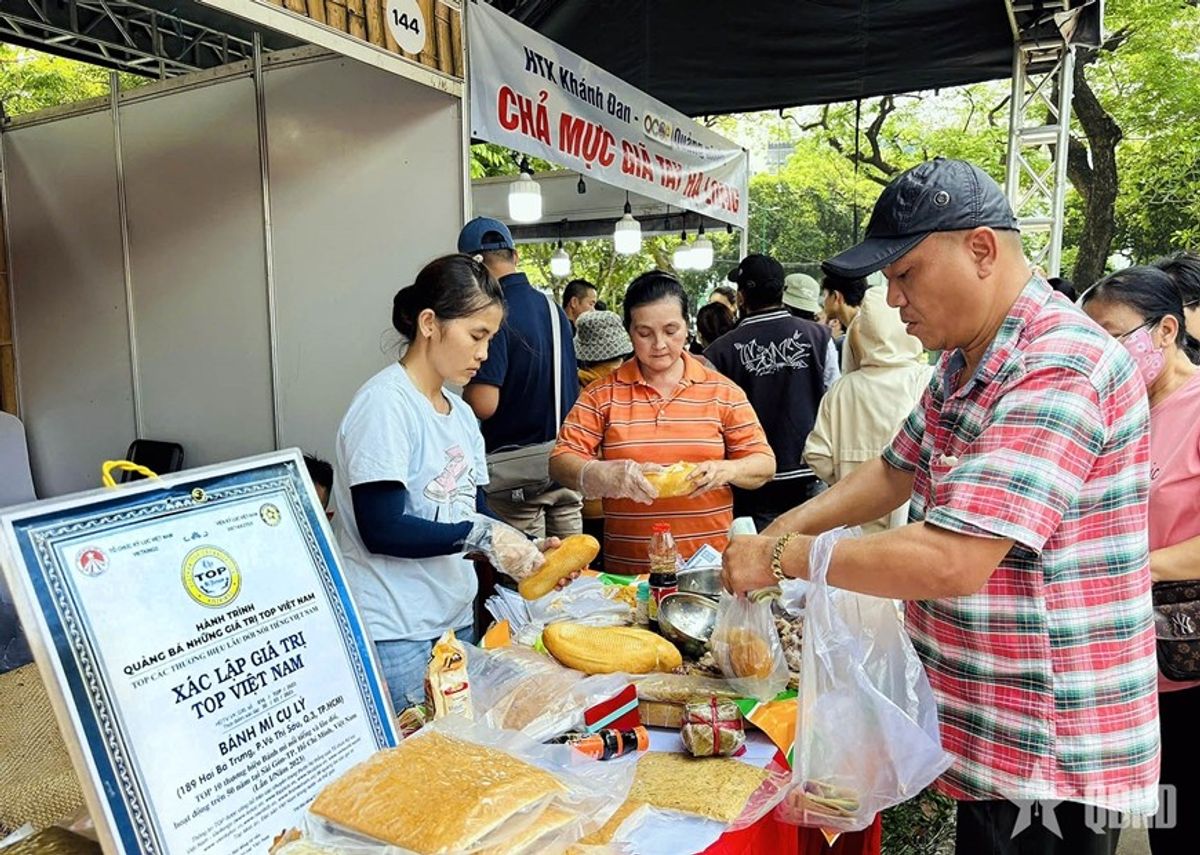
"Streetfood Couture" is being elevated to national-level events. The 2025 Vietnam Banh Mi Festival, organized by the Ho Chi Minh City Department of Tourism, recreated the bread's historical journey, while the 2025 Pho Day, supported by the Ministry of Foreign Affairs and the Ministry of Industry and Trade, showcased Pho globally through the "Vietnam Pho Festival" in Singapore.
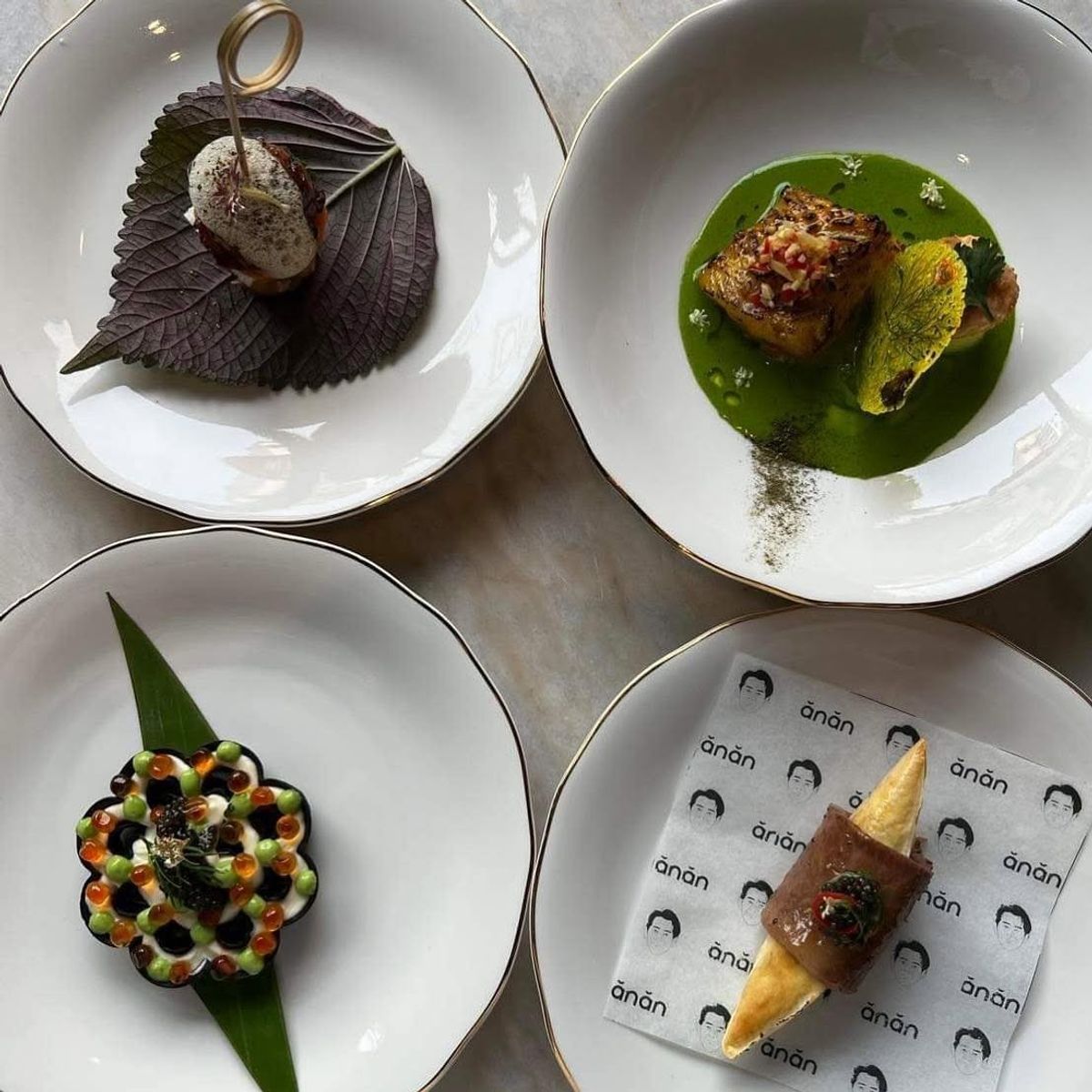
With "Borderless Cuisine," chefs integrate international techniques into Vietnamese culinary structures. A prime example is Anan Saigon, where chef Peter Cường Franklin elevates humble dishes like Banh Khot into fine dining with caviar, earning the restaurant a spot in "Asia's 50 Best Restaurants" and a Michelin star.
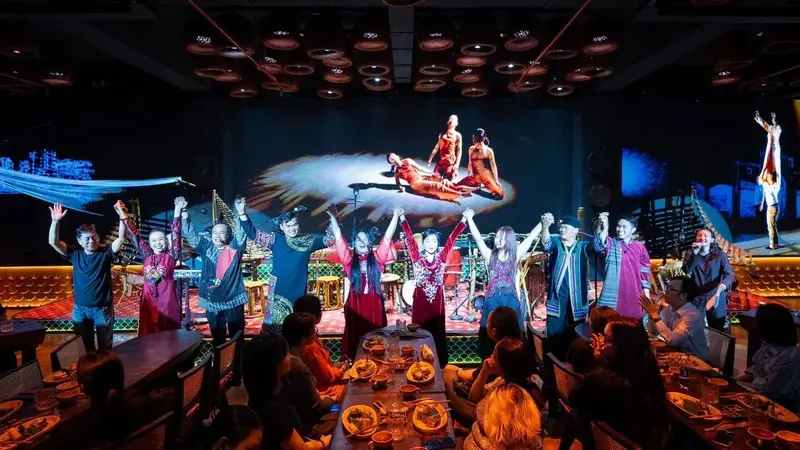
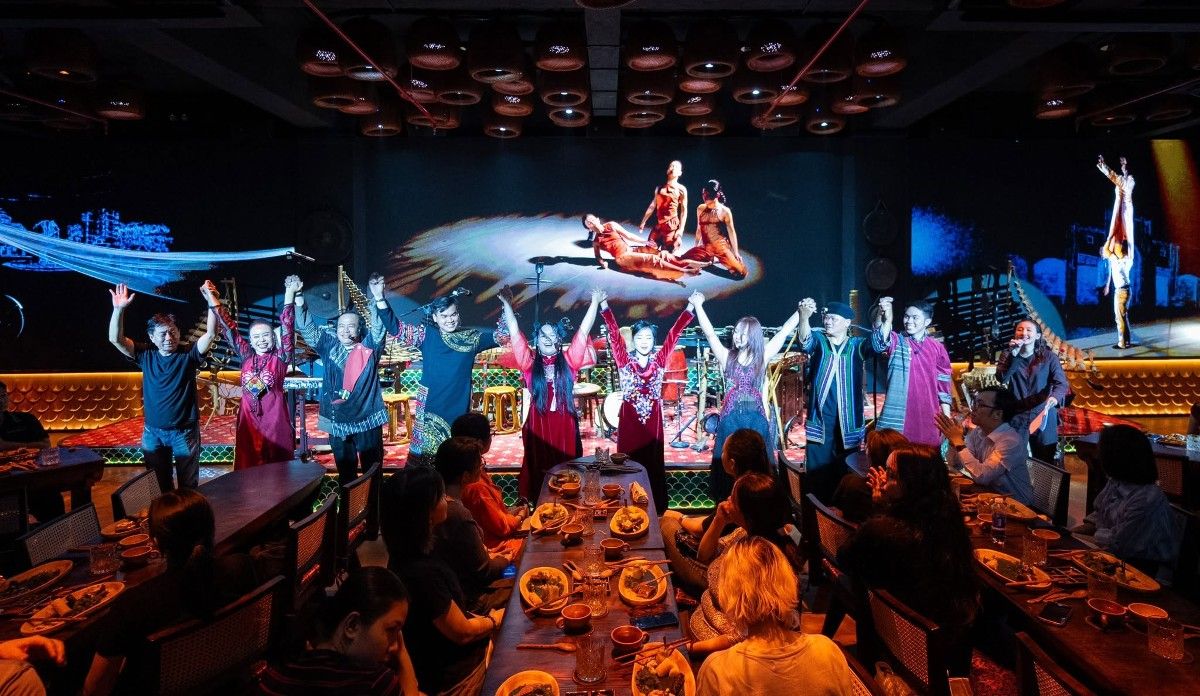
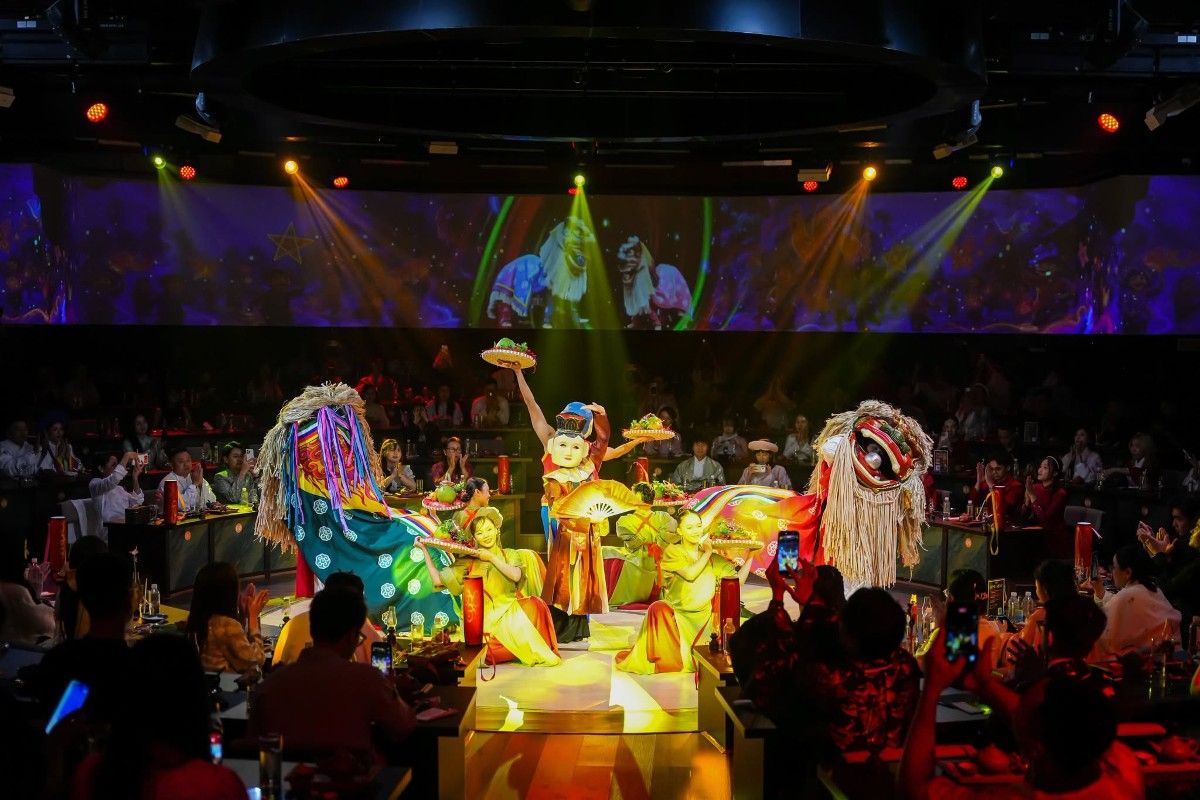
Alongside global integration, Culture & Dining Show models like the Loaloa Show at the Independence Palace and Chào Show are captivating diners by blending performing arts with regional cuisine. Each dish serves as a cultural slice, telling the geographical and historical story of the nation.
The "Diner Designed" trend marks a new phase where consumers actively participate in curating their dining experiences rather than selecting from a fixed menu. In an increasingly competitive market, the combination of professional operational management and deep brand storytelling is the key to success for today's F&B enterprises.