Improper Protein Intake: Risks to the Liver, Kidneys, and Cardiovascular System
Explore the negative impacts of excessive protein consumption and learn how to maintain a scientifically balanced protein intake to protect your health.
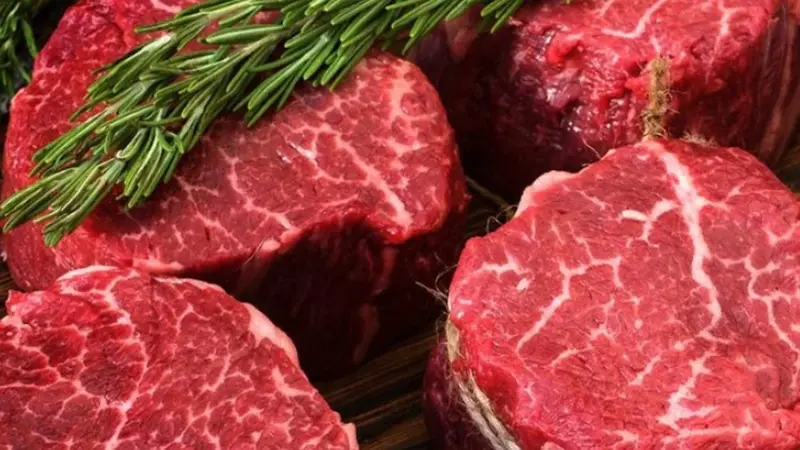
Protein plays a vital role in building and maintaining our body's cells. However, in the current 'muscle-building and fat-loss' trend, many people have idealized this nutrient while forgetting that overconsumption can be harmful. Excess protein intake not only goes to waste but also places a significant burden on internal organs.

### 1. Severe Consequences of Protein Overload
Consuming excessive amounts of protein-rich foods increases metabolic stress, putting direct pressure on the liver and kidneys while posing significant cardiovascular risks. A common mistake among fitness enthusiasts or those on rapid weight-loss diets is the abuse of chicken breast, beef, or whey protein beyond recommended levels. When intake exceeds requirements, the liver and kidneys must work at maximum capacity to metabolize amino acids and eliminate ammonia through urea. Prolonged stress on these organs can lead to impaired kidney function, gout flare-ups due to uric acid accumulation, and cellular dehydration caused by the significant water demand required for urea excretion.
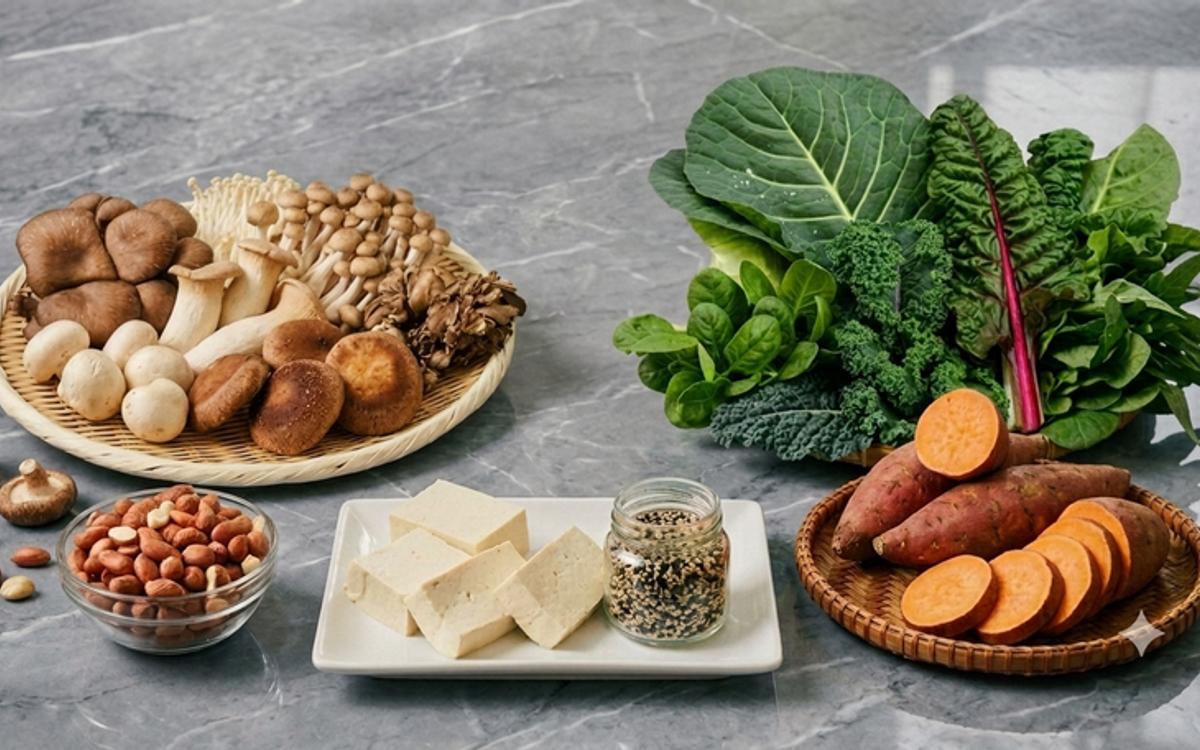
Furthermore, high-protein diets often involve reducing carbohydrates and fiber, which causes chronic constipation and imbalances in the gut microbiome. If the protein source relies heavily on red meat or processed meats, high levels of saturated fats and cholesterol contribute to atherosclerotic plaques in blood vessels. This, in turn, increases the risk of high blood pressure, elevated blood lipids, stroke, and myocardial infarction.
### 2. Guidelines for Scientific Protein Supplementation
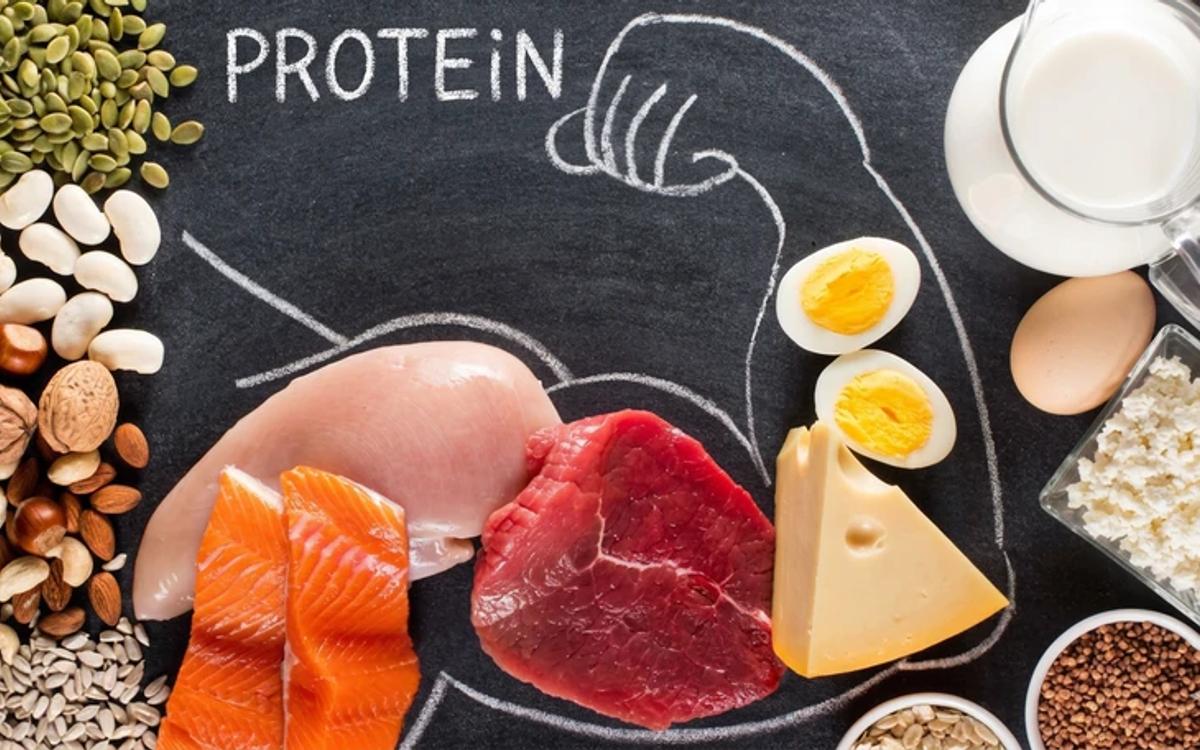
To ensure health, medical experts recommend following these principles: First, calculate your required intake, which ranges from 0.8g to 1g per kilogram of body weight for average individuals, and up to 2g for high-intensity athletes (never exceeding 2.5g). Second, adopt a 50-50 rule by combining animal and plant-based proteins to increase fiber intake and reduce bad cholesterol. Third, divide your portions, as the body can only optimally absorb 25g - 30g of protein per meal. Finally, ensure you drink 2 to 2.5 liters of water daily to support the kidneys in effectively flushing out toxins.
Tag: