Warning on Health Risks Associated with Mukbang Trends and Extreme Eating Challenges
Mukbang trends and speed-eating challenges pose risks of digestive disorders, obesity, and severe psychological issues as participants repeatedly push their bodies beyond physical limits.
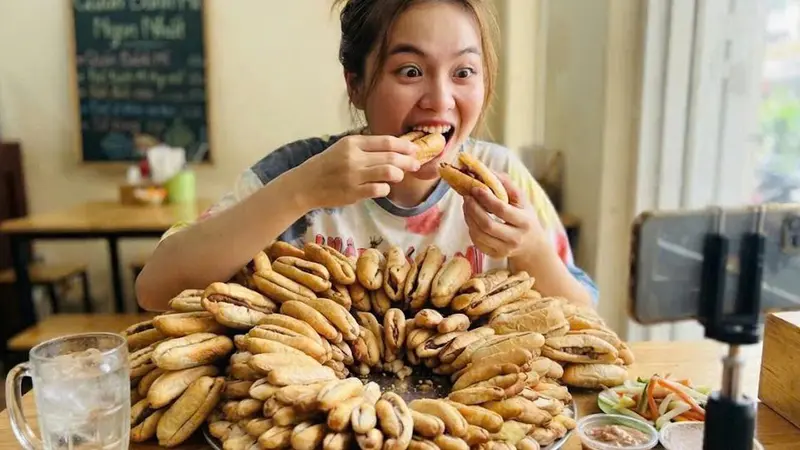
Mukbang videos, speed-eating competitions, and excessive food consumption challenges have long garnered significant attention on social media. When eating becomes a race for views, financial rewards, or social validation, participants face substantial health risks. More concerningly, such content may influence viewers, particularly children and adolescents, to mimic these extreme eating behaviors.
Mukbang is a content format where creators film or livestream themselves eating. The primary risks emerge when participants deliberately consume large quantities of food in short periods or consistently push beyond their satiety limits. Rapid eating prevents the body from signaling fullness, leading to bloating, discomfort, nausea, or even choking. Regularly consuming high-fat, high-sugar, or salty foods in excess of energy needs contributes to weight gain and impairs metabolic health.
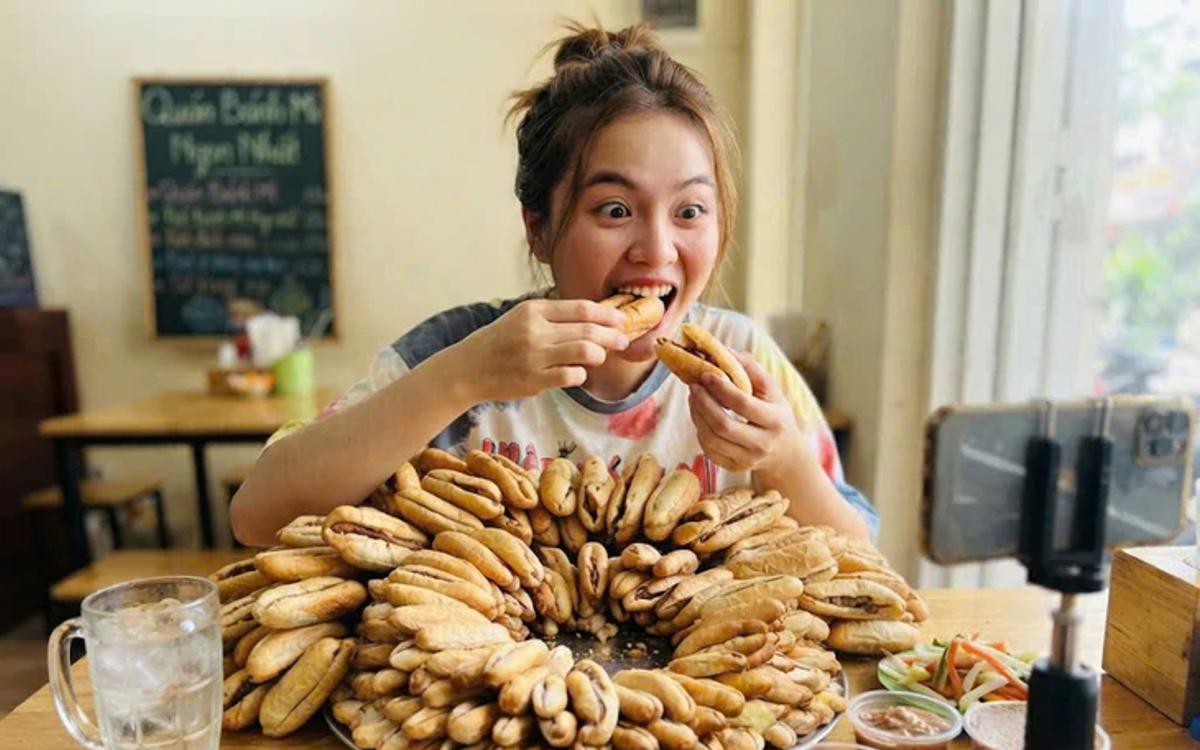
According to Assoc. Prof. Dr. Nguyen Thi Lam, former Deputy Director of the National Institute of Nutrition, following uncontrolled eating trends can cause serious consequences. The food featured in these videos is often high in calories but lacks essential vitamins, minerals, and fiber. Consistent consumption not only increases the risk of obesity and cardiovascular issues but also directly damages the digestive system. Furthermore, the pressure to maintain views can lead to binge eating, psychological disorders, and other unhealthy habits.
Tragic cases involving international streamers, such as Ganfan Yingying and Pan Xiaoting, serve as a grave warning against pushing the body beyond its limits. Medical reports indicate that hypokalemia, electrolyte imbalances, and gastric distortions are direct consequences of these challenges. Viewers must recognize that an individual's endurance on screen is not a benchmark for a healthy body.

Social media users should avoid mimicking abnormal eating competitions. Experts advise maintaining a balanced diet and being wary of content promoting scientifically baseless eating behaviors. Trading one's health for engagement, money, or virtual fame is an unwise decision that carries significant life-threatening risks.