Dietary Guidelines for Hypertension: 6 Food Groups to Include and 5 Habits to Avoid
Discover scientific nutritional principles to effectively manage blood pressure and prevent the risk of strokes and dangerous cardiovascular complications.
Hypertension is known as the "silent killer" as it often progresses asymptomatically while serving as a leading cause of strokes, myocardial infarction, and kidney failure. Beyond following physician-prescribed treatments, diet plays a crucial role in managing blood pressure levels.
According to BSCKI. Nguyen Huy Hoang from the Vietnam-Russia High-Pressure Oxygen Center, patients should focus on addressing risk factors such as weight management and maintaining a diet balanced in minerals—specifically reducing sodium while increasing potassium, magnesium, and calcium to support vascular elasticity.
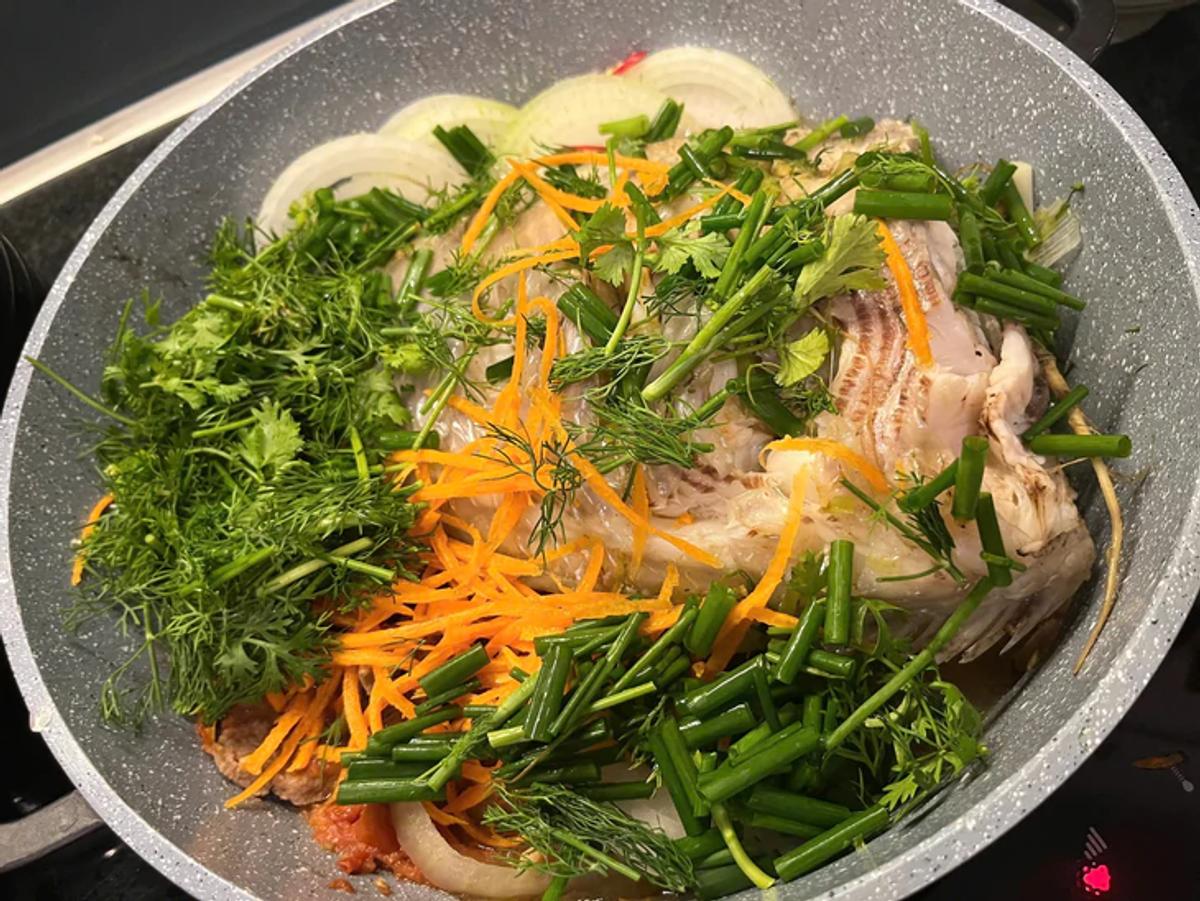
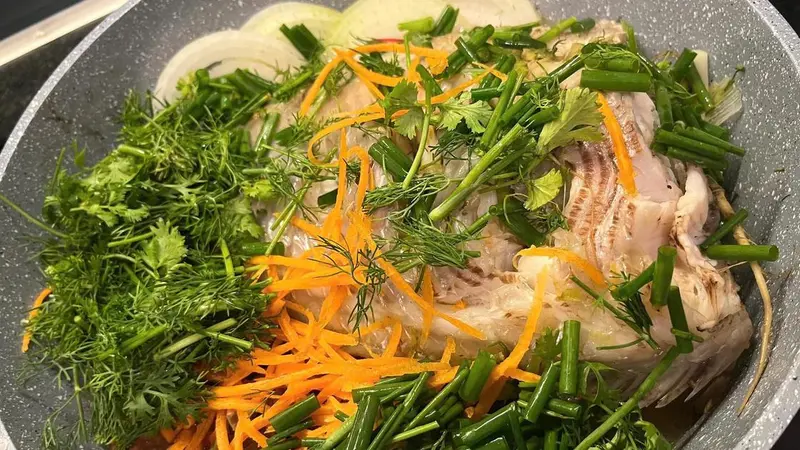
Recommended food groups include: dark leafy greens (spinach, kale) rich in potassium and magnesium; berries and citrus fruits containing flavonoids; whole grains high in fiber; fatty fish like salmon providing omega-3; nuts and legumes; and skim milk or unsweetened yogurt for essential calcium.
The American Heart Association (AHA) advises minimizing: salt intake to under 5g per day; processed and canned foods; animal fats high in saturated fat; alcohol and alcoholic beverages; and refined sugars commonly found in commercial soft drinks.

For practical implementation, patients should dilute dipping sauces, prioritize boiling or steaming over frying, and develop the habit of checking nutritional labels for sodium content before purchasing packaged food.