Vietnamese Food Enterprises Face Cost Pressures: Shifting from Price to Value Competition
Vietnamese food and beverage companies are restructuring, focusing on deep processing and technology to enhance competitiveness amid rising production costs.
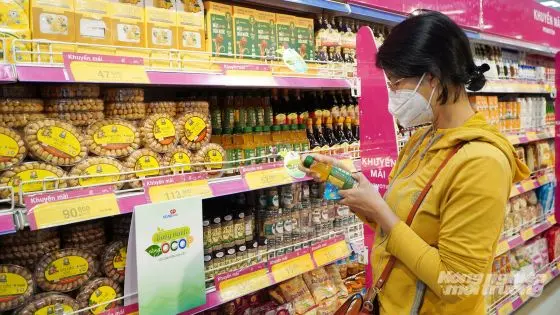
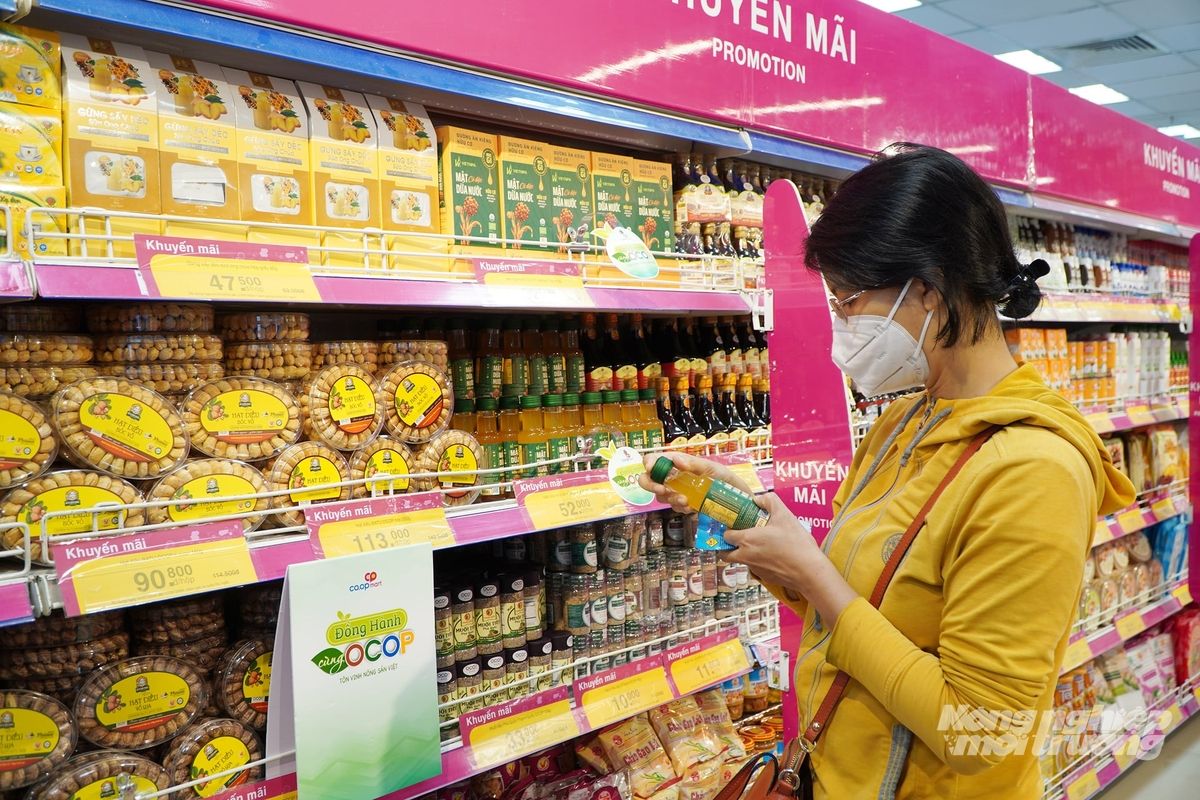
Faced with volatile energy prices and rising logistics costs, the Vietnamese food and beverage sector is under significant pressure. Although domestic consumer demand remains steady, declining profit margins are forcing firms to shift their business models from low-cost production to value-driven strategies.
Mr. Trinh Ba Cuong, General Secretary of the Food and Foodstuff Association of Ho Chi Minh City (FFA), noted that global conflicts have driven up the costs of additives and transportation. While companies can stockpile raw materials for 3 to 6 months, energy and logistics remain un-storeable challenges. Consequently, the long-term focus lies in digitizing cultivation areas for transparency and reducing dependence on imported food ingredients.

Assoc. Prof. Dr. Hoang Kim Anh from the Vietnam Association of Food Science and Technology suggests that businesses must move toward value-based competition. This involves incorporating functional ingredients and optimizing product formulas to meet smart consumption trends. Bridging the gap between academic research and small-to-medium enterprises is crucial for commercializing deep processing technologies.

Ms. Rose Chitanuwat, Project Director of ASEAN Informa Markets, emphasized the necessity of meeting food safety standards to maintain consumer trust. Citing the potential of deep processing, she explained that converting raw materials like turmeric into high-value curcumin is a strategy to boost profits. She urged Vietnamese firms to adopt models of market diversification and professional branding from Thailand to penetrate niche markets such as Halal or premium global segments.

Ms. Ly Kim Chi, President of the FFA, stated that export opportunities are expanding thanks to Free Trade Agreements (FTAs). Leveraging cross-border e-commerce and tapping into niche segments remain key strategies. Government support via tax incentives, credit programs, and technology transfer will be vital for Vietnamese food companies to excel in the upcoming phase.