Decoding Blood Spots in Eggs: Are They Safe to Consume?
Many people are wary of blood spots in eggs. Discover the scientific reasons behind this phenomenon and how to safely handle them to avoid food waste.

Discovering blood spots in eggs can be unsettling, often leading consumers to discard them out of fear of contamination. However, the reality behind these spots is quite different from common misconceptions. According to experts, this is a natural biological occurrence and is not a sign of disease or that the egg has been fertilized.
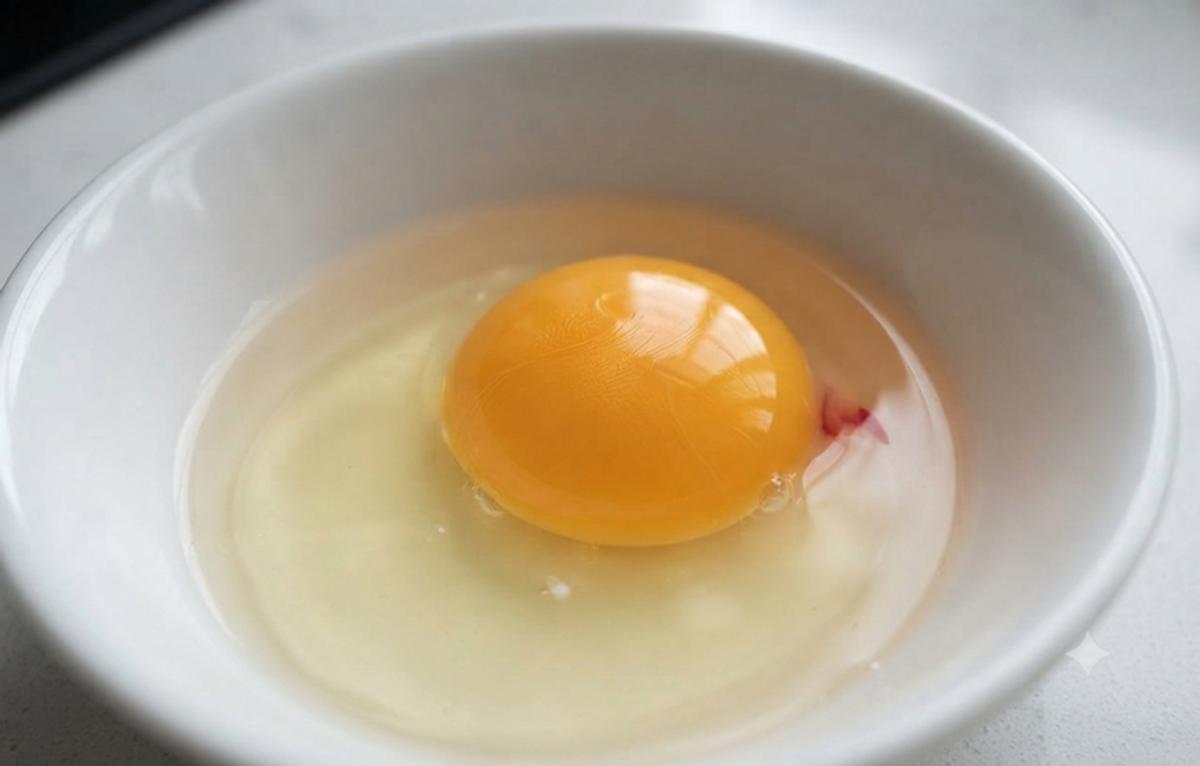
Biologically, blood spots form due to the rupture of tiny blood vessels in the hen's ovary or oviduct during egg formation. If the spot is on the yolk, the rupture occurred at the follicle level. If it is in the albumen, the rupture occurred later as the egg moved through the oviduct. Additionally, 'meat spots'—brown or white tissue fragments—are often mistaken for blood spots, but they are also completely harmless.

Statistics show that the frequency of blood spots in eggs is less than 1%. This rate is higher in brown-egg-laying hens (about 18%) compared to white-egg layers (0.5%). Factors such as pullets just starting to lay, aging hens, deficiencies in vitamins A and D, or environmental stress are the primary contributors to this phenomenon.

According to the United States Department of Agriculture (USDA), eggs with blood spots are perfectly safe to eat as long as they are properly cooked. Health risks do not stem from the spots themselves, but from Salmonella bacteria if eggs are consumed raw or undercooked. Note that if the egg white changes color to pink, green, or purple, it is a sign of spoilage and must be discarded immediately.

When you encounter an egg with blood spots, you can handle it simply: if the spot is small, you can whisk it into the egg and cook it thoroughly. If you are uncomfortable, simply use a knife to remove the spot before cooking. Understanding the nature of this phenomenon helps prevent the unnecessary waste of a nutritious food source.
Tag: