Decoding Ultra-Processed Foods: Understanding for Smarter Choices
Explore the essence of ultra-processed foods, their health impacts, and how to build a balanced diet based on scientific classification.
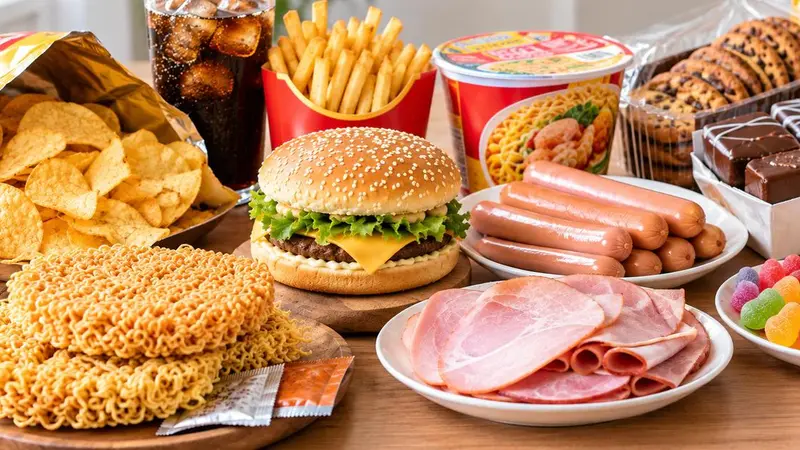
Ultra-processed foods (UPFs) are increasingly prevalent in the modern diet, ranging from soft drinks, confectionery, and snacks to instant noodles and processed meats. While occasional consumption is not immediately harmful, frequent reliance on these products significantly reduces the intake of fresh foods, thereby impacting overall nutritional quality.
According to the NOVA classification system, ultra-processed foods are typically industrial formulations that use multiple extracted ingredients combined with additives for color, flavor, sweetness, and texture to enhance appeal. It is important to note that not all packaged foods are ultra-processed; for instance, frozen vegetables or simple canned beans are still considered processed but not ultra-processed.
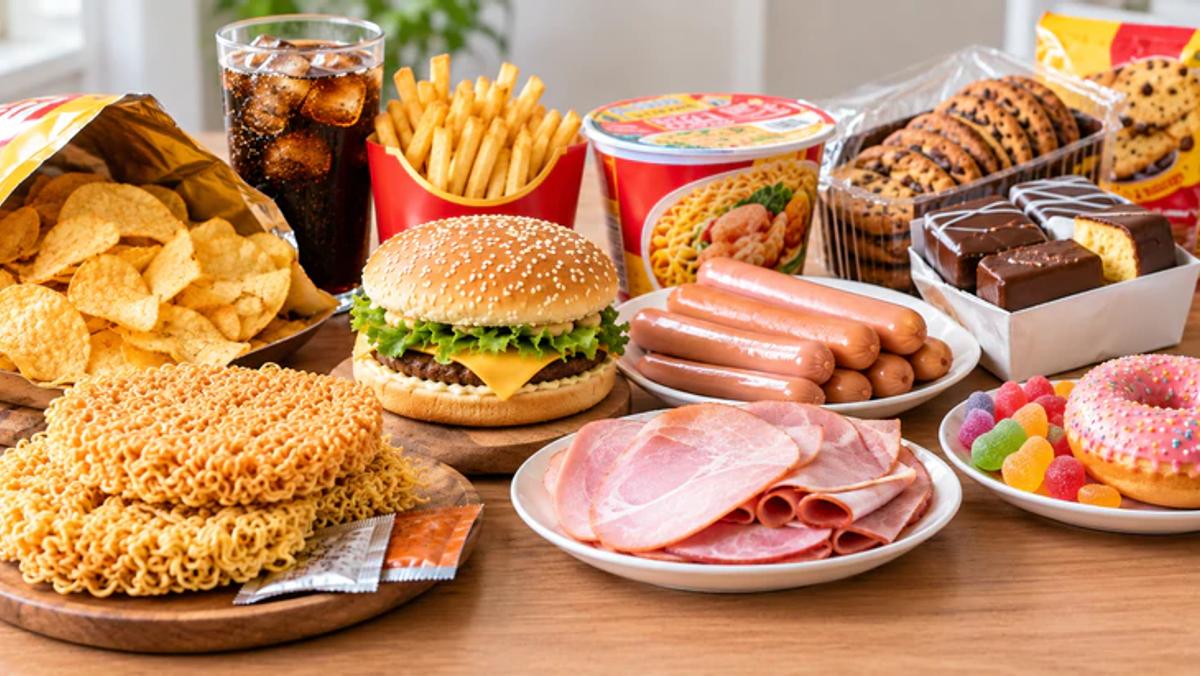
The reason ultra-processed foods are detrimental lies in their high energy density, abundance of free sugars, sodium, or saturated fats, combined with a lack of fiber and essential nutrients. Furthermore, their soft structure and artificial flavors easily stimulate appetite, leading consumers to exceed their energy needs before the body can signal satiety.
A 2024 systematic review published in the BMJ, covering nearly 10 million people, demonstrated a link between high consumption of ultra-processed foods and conditions such as obesity, type 2 diabetes, and cardiovascular diseases. However, experts emphasize that these are observational links and should be assessed within the context of overall dietary patterns rather than focusing on a single chemical component.
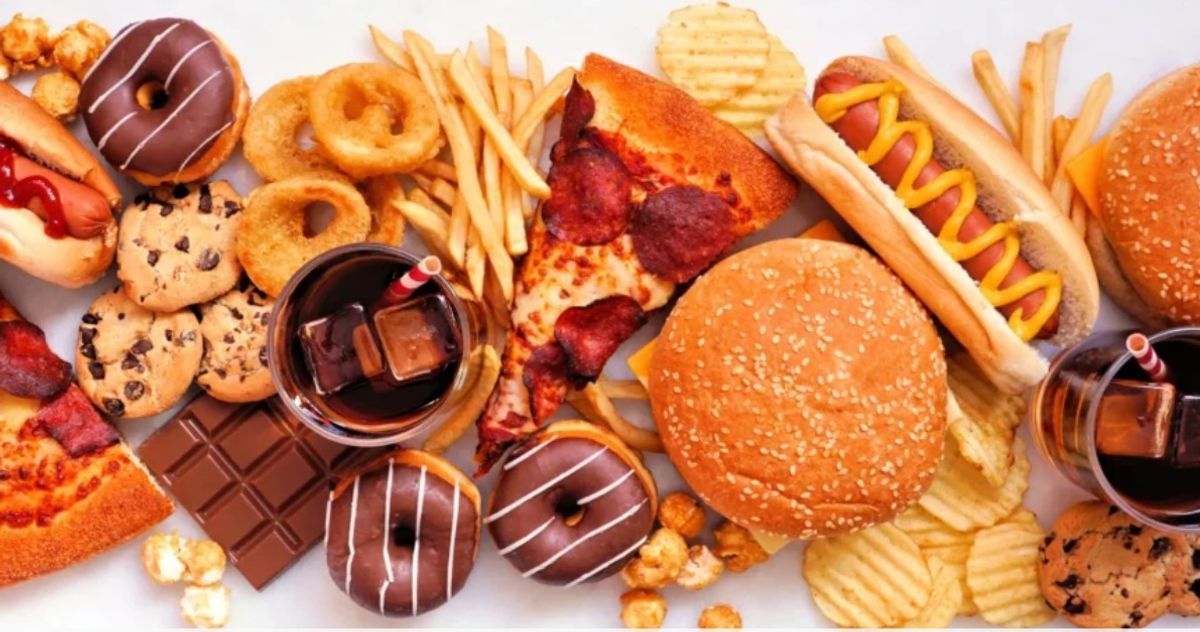
Instead of completely boycotting all packaged products, consumers should evaluate food based on a holistic view: nutritional content, raw materials, and their role in the diet. A 'sugar-free' label does not necessarily mean the product is entirely healthy. Instead, prioritize alternatives such as water, fresh fruits, or whole grains to gradually reduce the proportion of ultra-processed foods in daily meals.