Hanoi Removes Food Safety 'Bottlenecks': From Administrative Orders to Political Commitment
Hanoi implements Plan 336/KH-UBND, restructuring food safety management into a unified entity with the '6 Clears' principle to protect the health of the capital's residents.
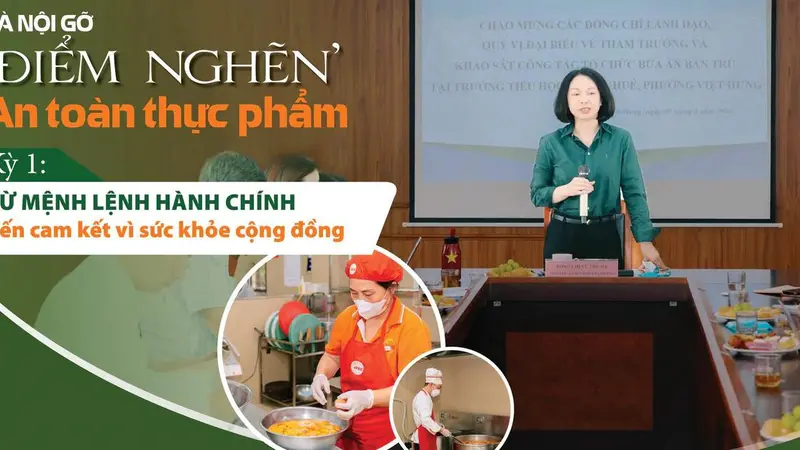
With over 80,000 food production, processing, and trading establishments serving a population of more than 10 million, ensuring food safety in the capital poses significant challenges. Fragmented management systems and small-scale production facilities are gaps that require a new governance mindset to address.

A notable aspect of Hanoi's current approach is the determination to face these 'bottlenecks' directly to resolve them at the root. Under the guidance of the Head of the Food Safety Steering Committee, Chairman of Hanoi People's Committee Vu Dai Thang, and the Vice Chairmen, the city has conducted field reviews to disentangle institutional, infrastructural, and public awareness issues.
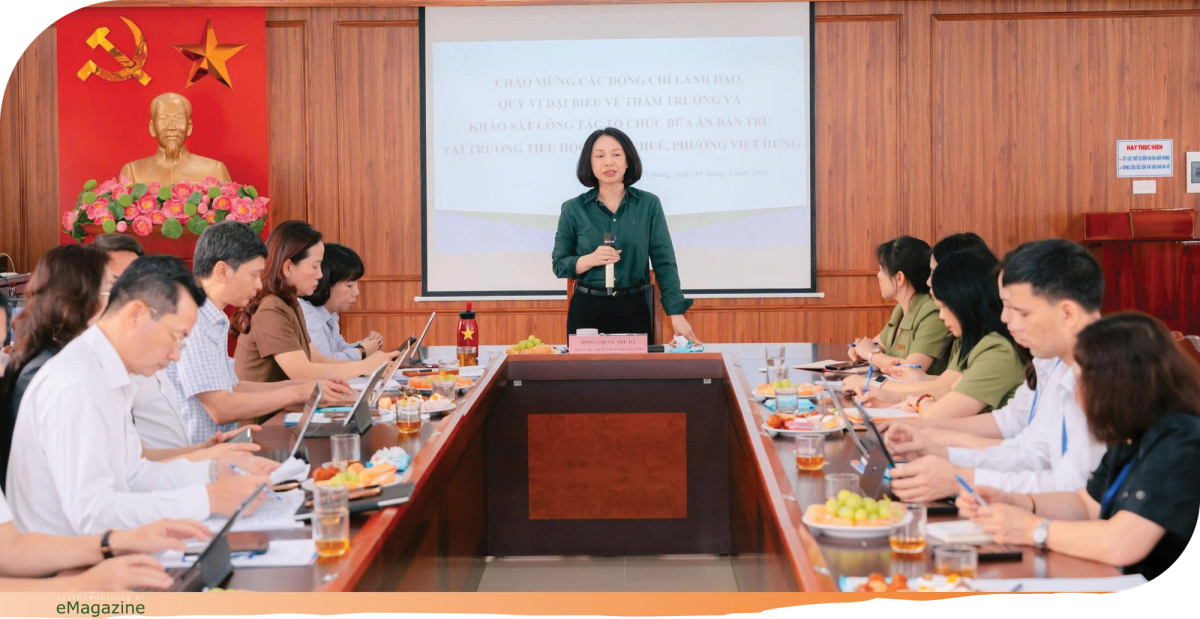
The city leadership identified three main hurdles: overlapping functions between the Health, Agriculture & Environment, and Industry & Trade sectors; fragmented supply chain control; and limited compliance among some business operators. According to Plan 336/KH-UBND, leaders of communes and wards where safety violations persist without thorough resolution will be held directly accountable to the City Chairman.
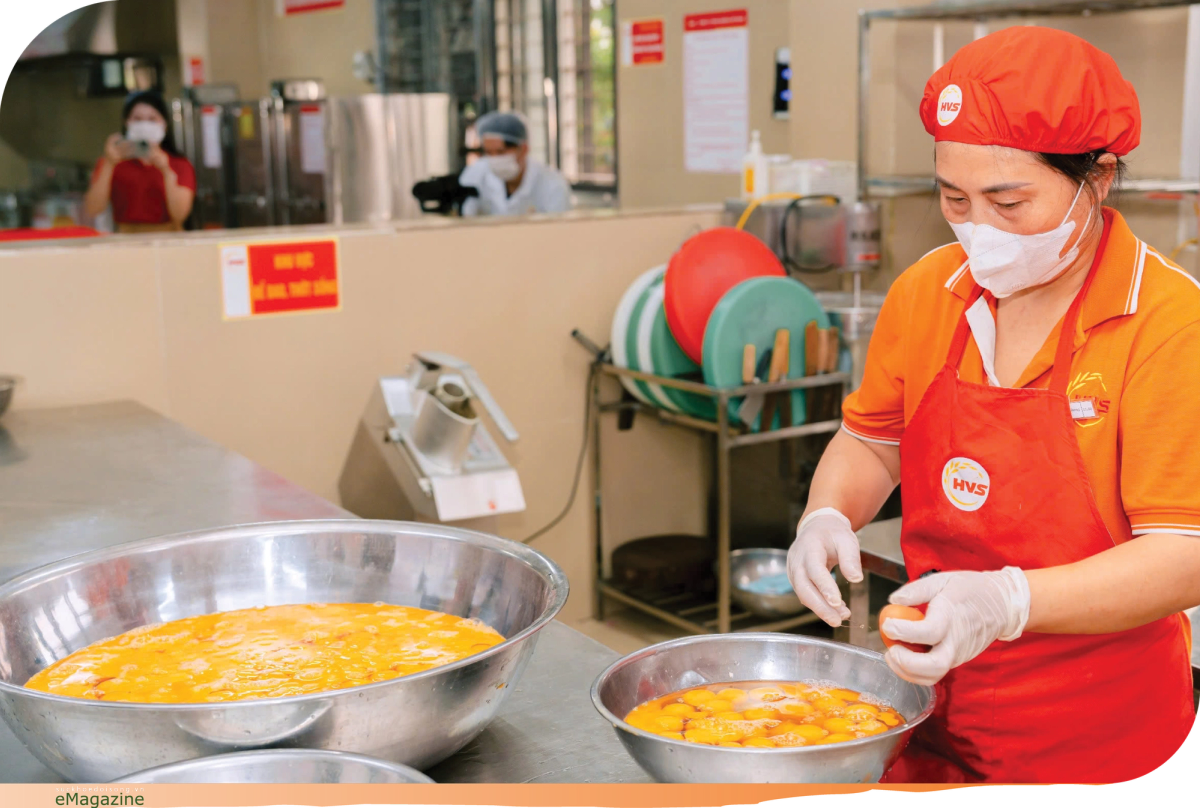
To realize this commitment, Hanoi is building a project to consolidate food safety management into a single unified entity, eliminating buck-passing. This restructuring is accompanied by the strict implementation of the '6 Clears' principle: Clear people, Clear tasks, Clear timeline, Clear responsibilities, Clear products, and Clear authority.

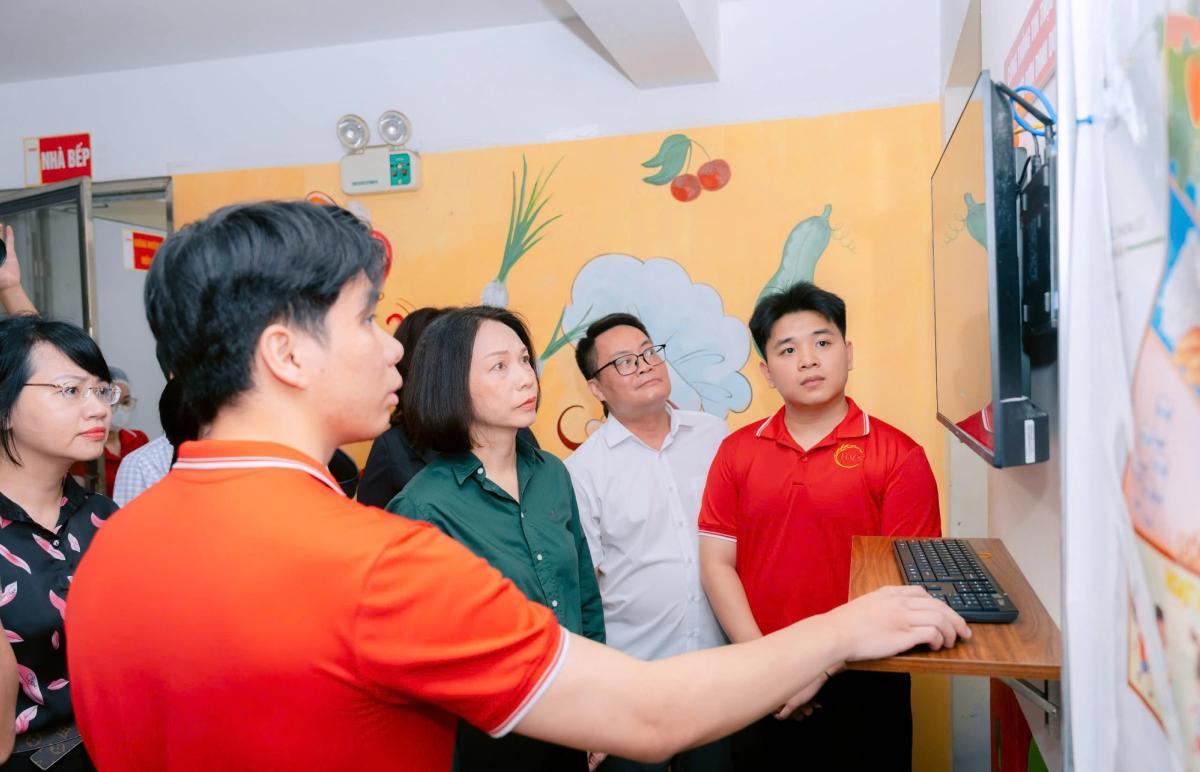

The City People's Committee has aggressively decentralized management of local markets and street food to commune and ward authorities while tightening administrative discipline. This decentralization comes with significant personal accountability, turning every local unit into an effective checkpoint in the food safety chain.
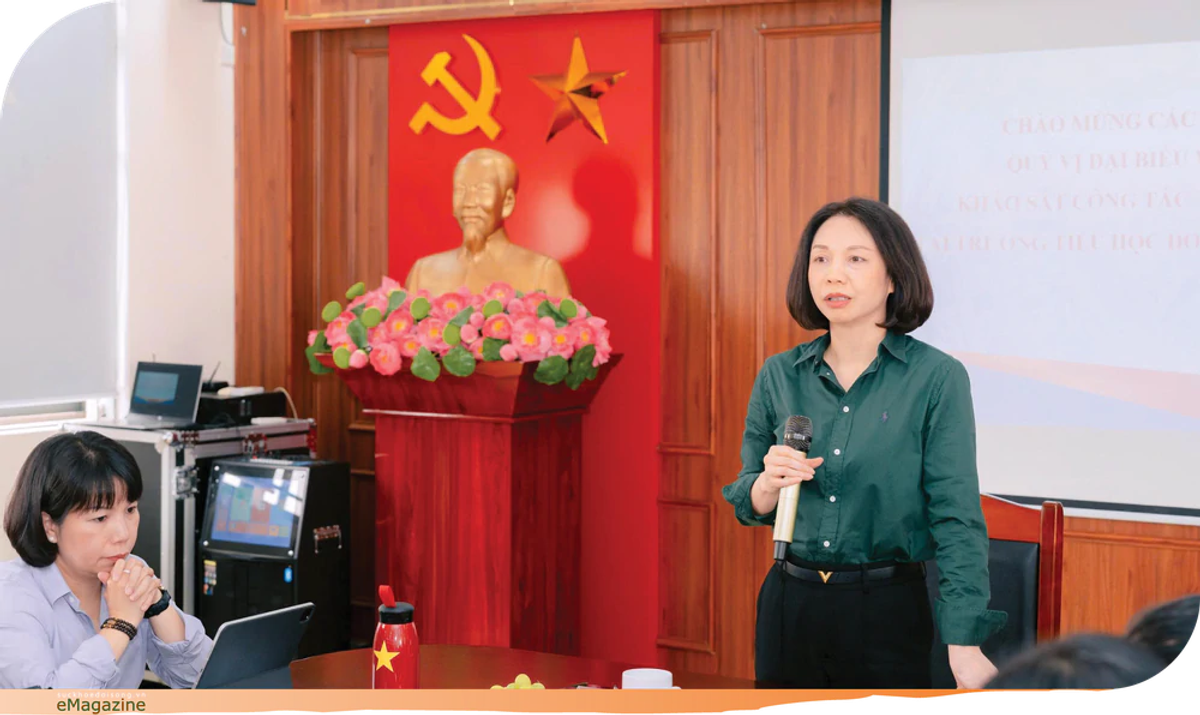
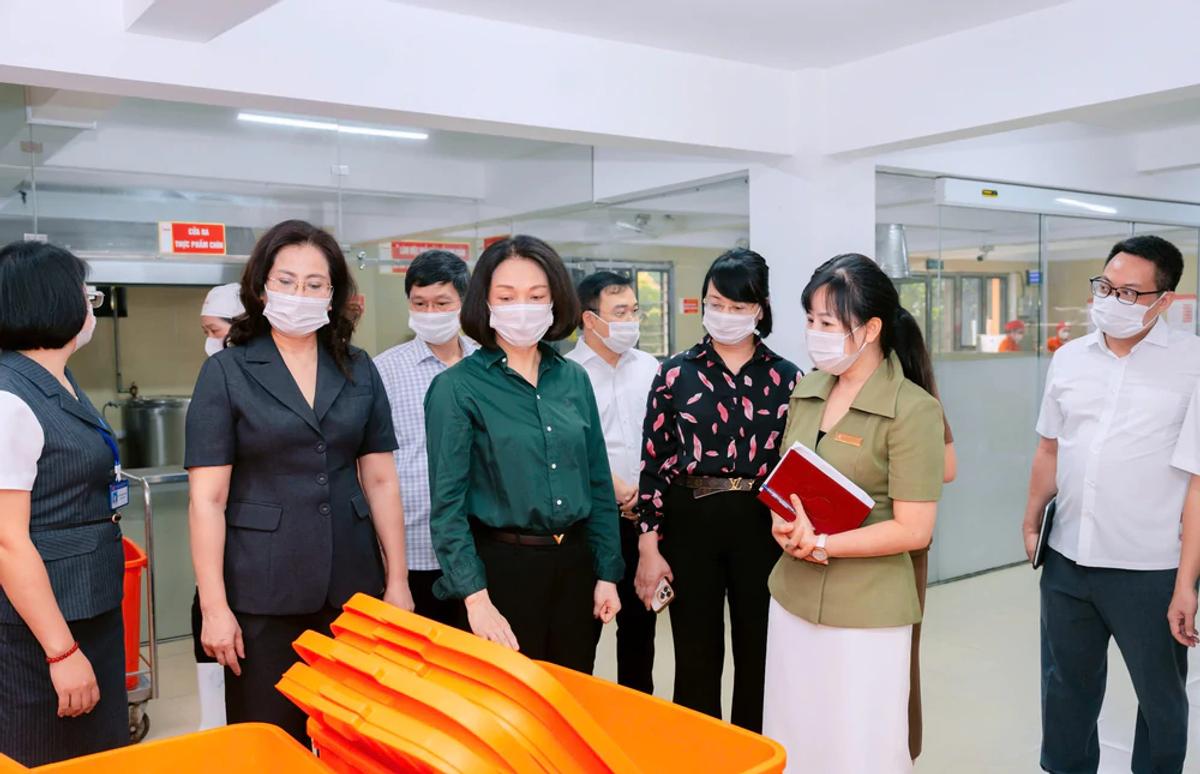
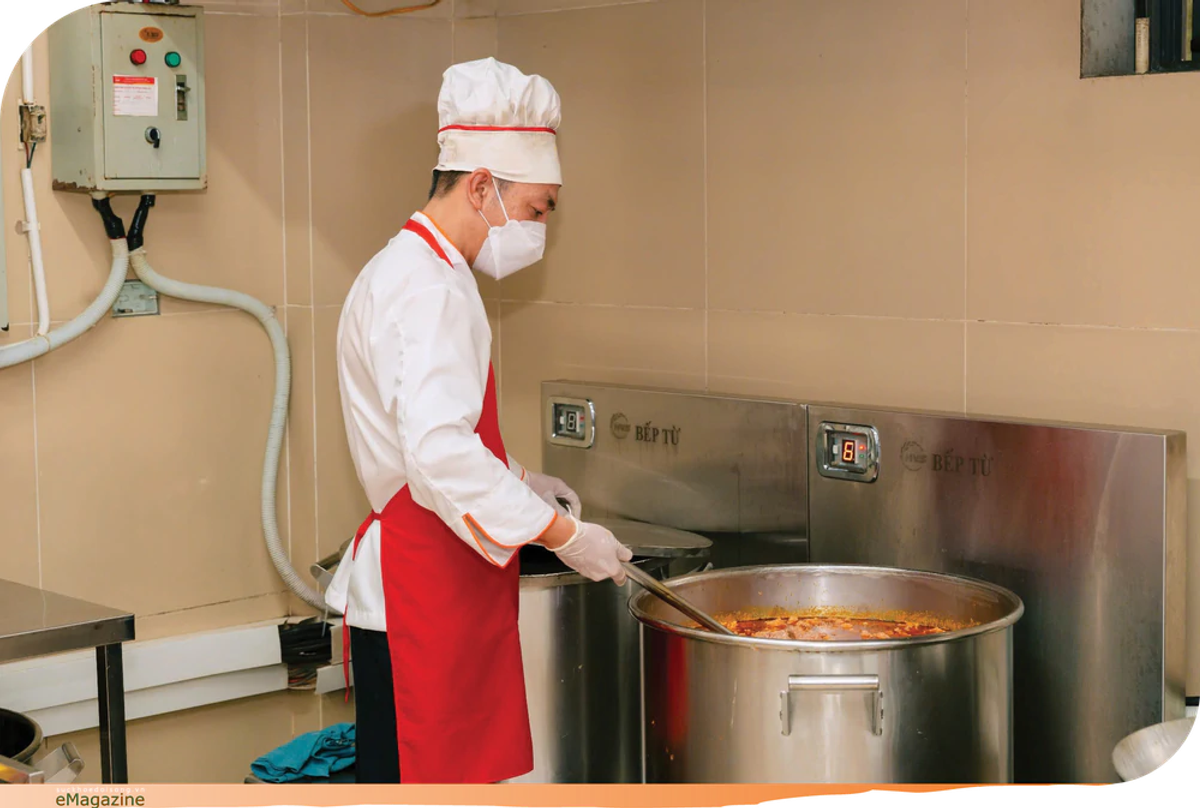

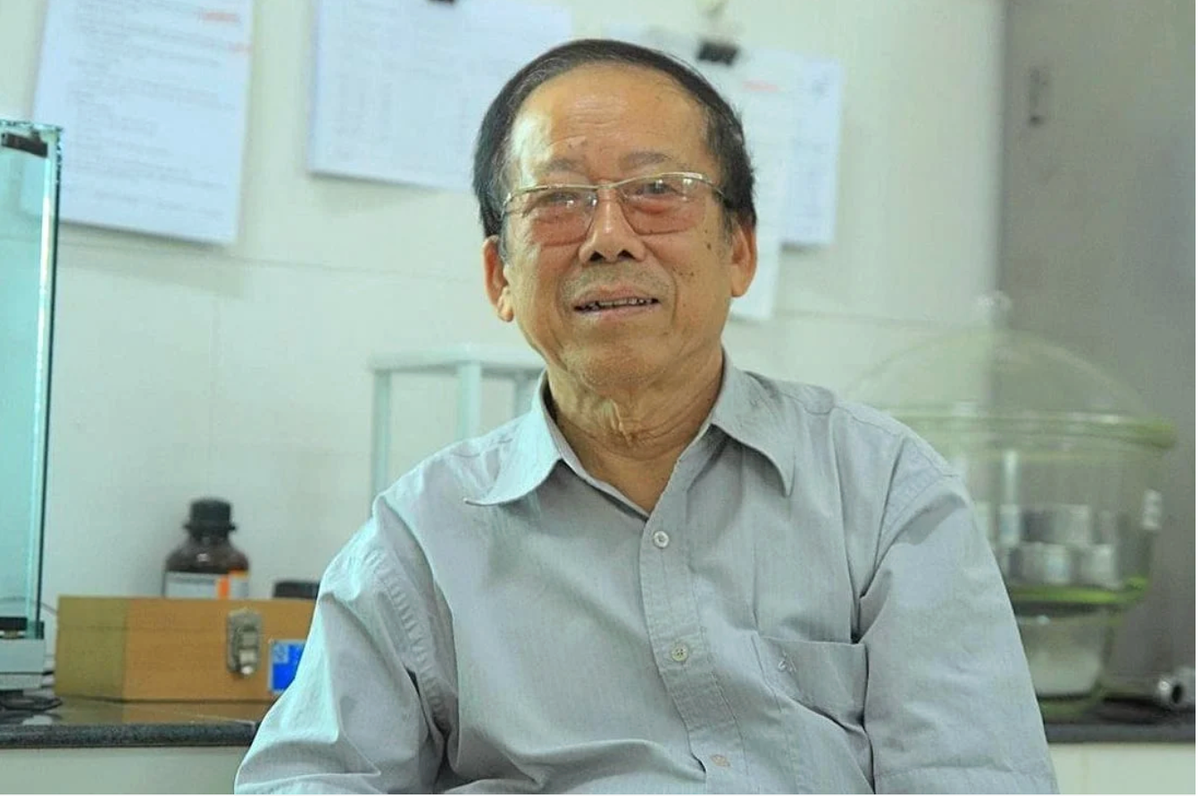
Food technology expert Assoc. Prof. Dr. Nguyen Duy Thinh (Hanoi University of Science and Technology) highly values this strategy. According to him, applying AI cameras, digitizing agricultural supply chain maps, and focusing on 'post-inspection' are modern steps that align with smart urban management trends, helping to ensure transparency from farm to table.
Removing these institutional bottlenecks through such groundbreaking policies not only reinforces public trust but also creates a foundation for Hanoi to build a civilized and modern food control ecosystem.