Hai Phong Tightens Regulations on School Lunch Safety and Extra Tutoring Activities
The Hai Phong People's Committee has issued directives to strengthen oversight of school lunch safety and standardize extra tutoring activities across educational institutions.
To enhance the quality of student care and education, the Chairman of the Hai Phong People's Committee has ordered the Department of Education and Training, along with relevant agencies, to implement rigorous solutions for managing school lunch programs and extra tutoring activities.
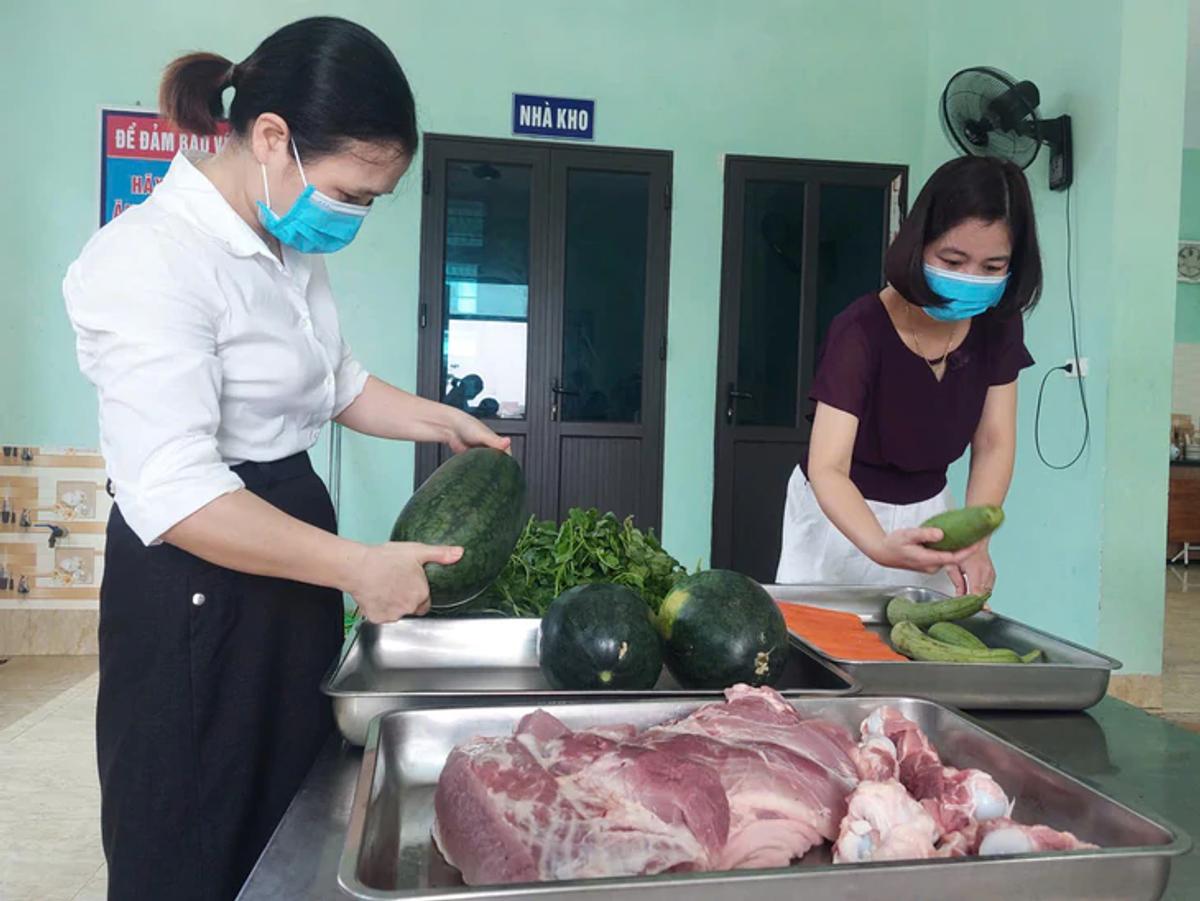
Representatives from Tan Huong Kindergarten (Vinh Lai commune) inspect food quality upon receipt. Photo: D.Tuy.
Regarding school lunch services, city leaders require stricter supervision to ensure food safety and nutritional standards. The Department of Education and Training is responsible for guiding schools to publicize menus, costs, and expenditures, while facilitating parental oversight. Regular inspections of kitchens, raw material sources, and food sample retention protocols will be conducted in coordination with the Department of Health.
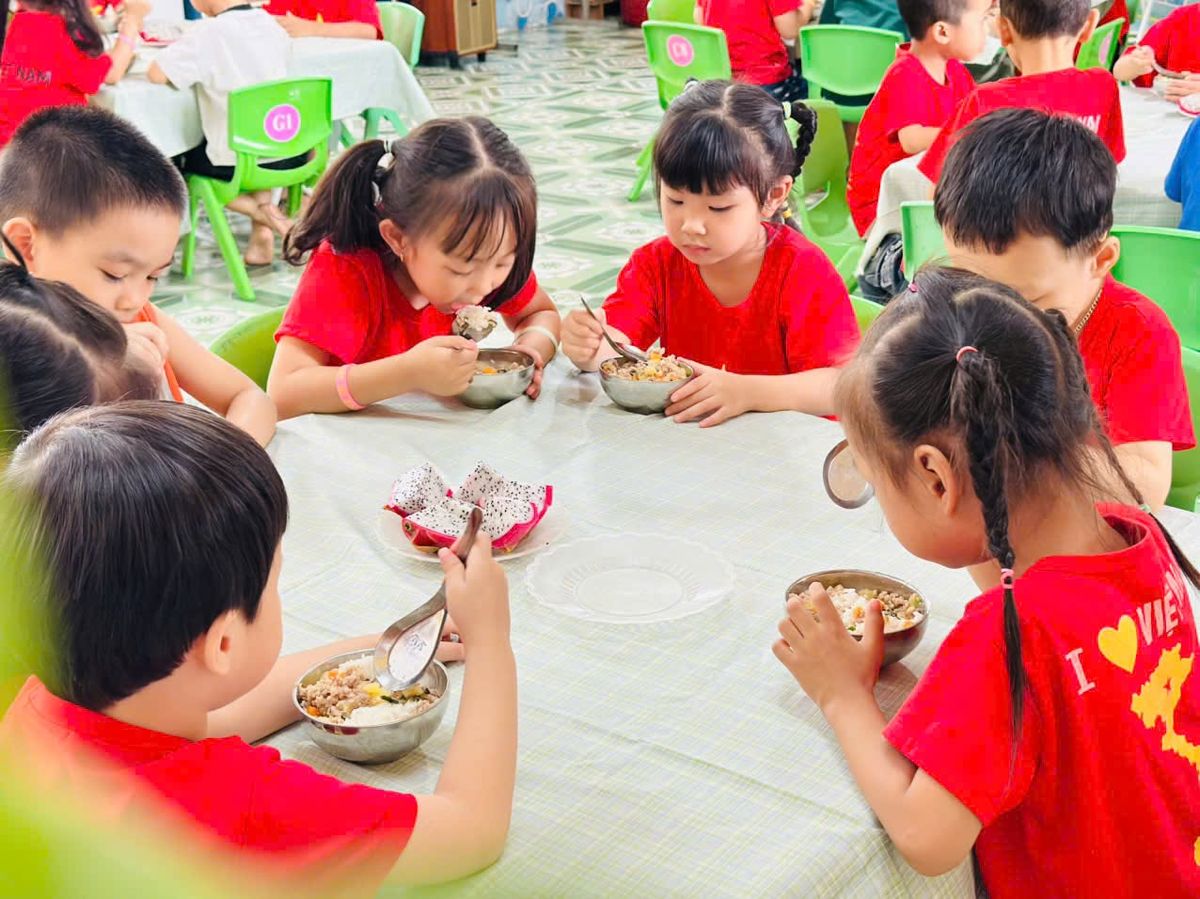
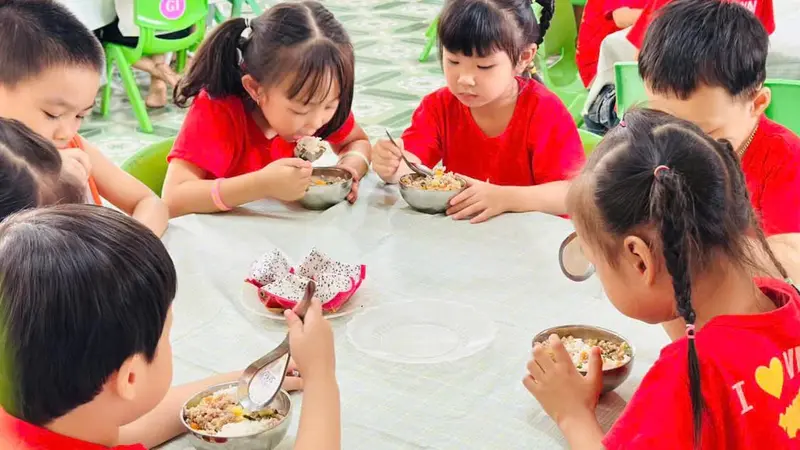
A school lunch at Ninh Giang Kindergarten. Photo: MN NG.
Concerning extra tutoring, Hai Phong emphasizes that these activities must strictly adhere to the principle of voluntariness, based on the actual needs of students and the consent of parents. Schools are strictly prohibited from forcing students to attend extra classes, collecting illicit fees, or reducing official curriculum content to facilitate 'teaching ahead'.
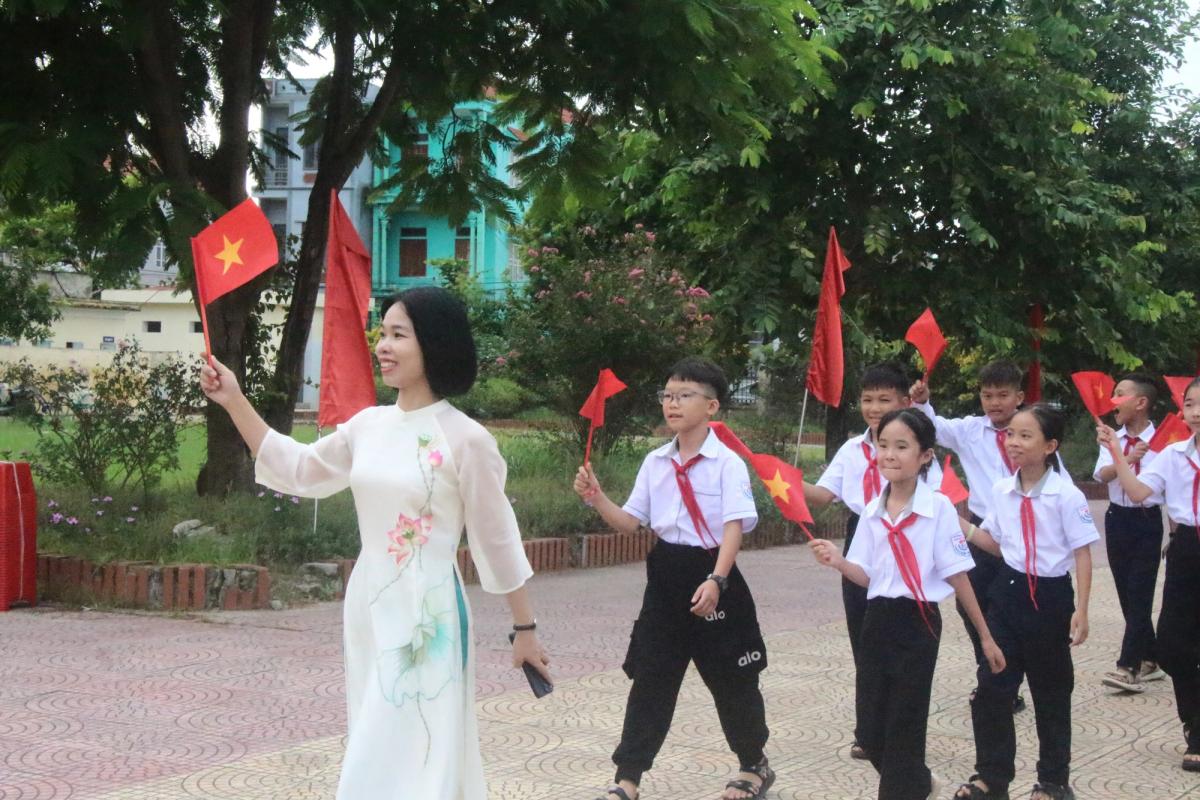
Joy of 6th-grade students at Vinh Lai Secondary School on the opening day. Photo: D.Tuy.
Heads of educational institutions will be held fully accountable for meal quality and tutoring activities within their units. Local authorities are instructed to coordinate the vetting of off-campus tutoring centers, inspecting operational conditions, business registrations, and fire safety compliance.
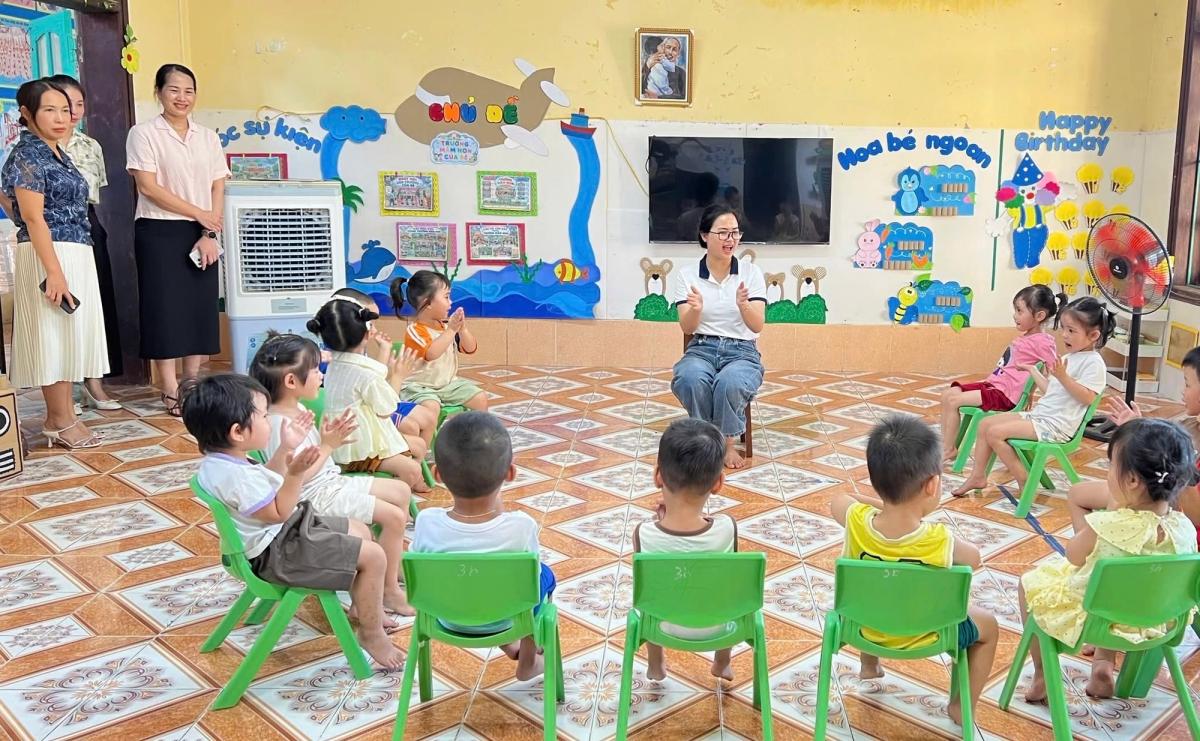
A lesson at the Hiep Luc branch of Ninh Giang Kindergarten. Photo: MN NG.
Furthermore, the city advocates for the reduction of unnecessary competitions to avoid academic pressure and 'achievement disease', ensuring a well-rounded development environment tailored to the psychological development of students.