Pomelo Seeds: Hidden Nutritional Values and How to Extract Natural Pectin
Discover the health benefits of pomelo seed mucilage, a rich source of natural pectin, and get a detailed guide on how to extract it safely at home.
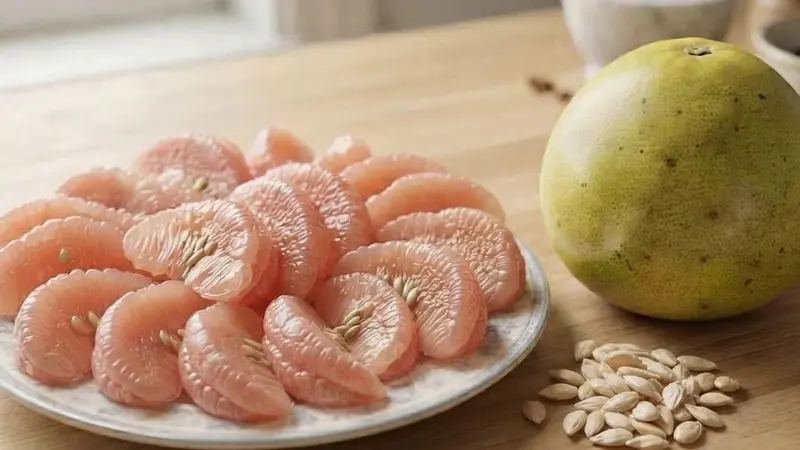
Pomelo seeds are often discarded after enjoying the fruit, under the misconception that they lack nutritional value. In reality, while the tough seed coat and bitter taste make them unsuitable for direct consumption, the surrounding mucilage contains significant amounts of bioactive compounds and natural pectin that are beneficial for health.
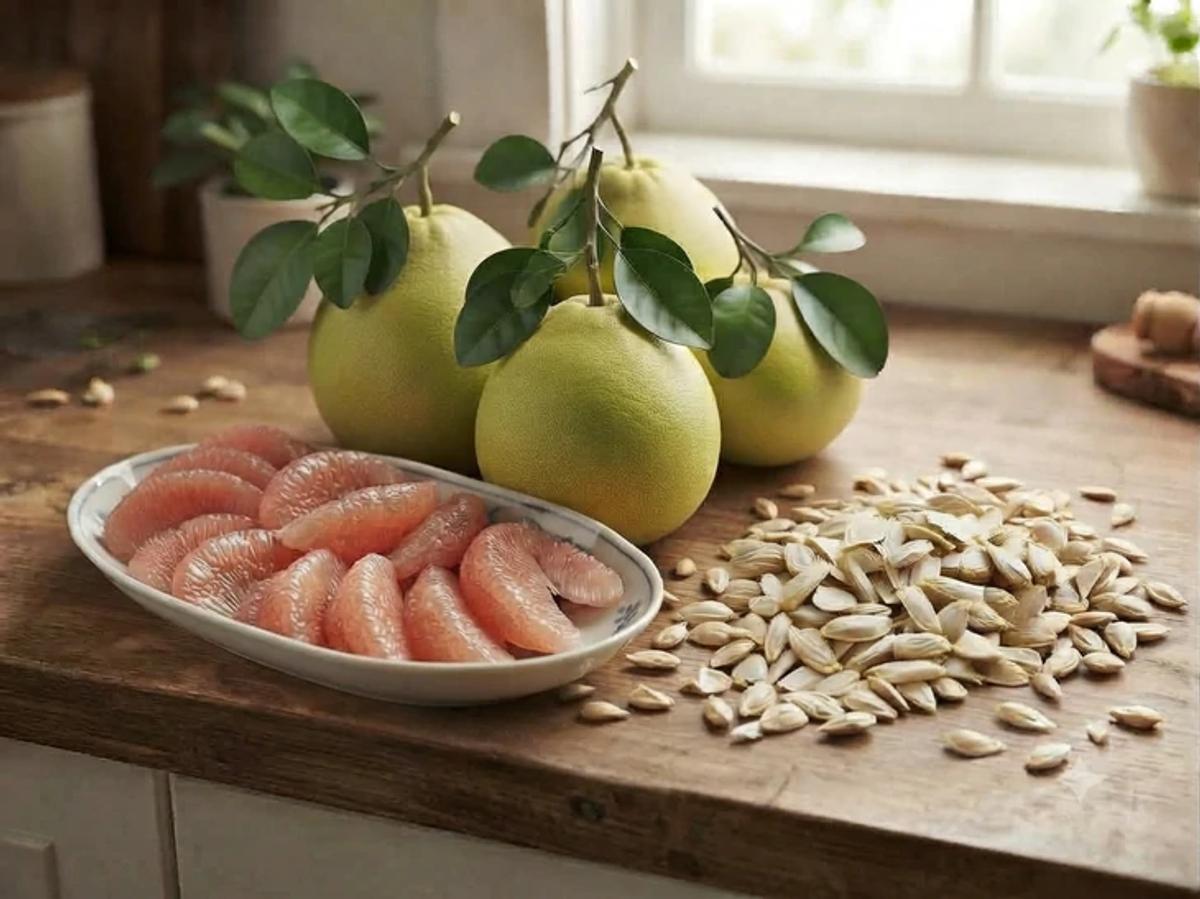
Although they do not contain acute toxins, pomelo seeds are large, hard, and fibrous, making them difficult for the digestive system to break down if swallowed whole. Therefore, rather than direct consumption, it is common practice to utilize the outer mucilage—a rich source of bioactive compounds such as vitamin E, flavonoids (naringin), and limonoids like limonin and nomilin. These compounds play a crucial role in antioxidant activity, neutralizing free radicals, and inhibiting certain harmful bacteria.
The mucilage from pomelo seeds is a abundant source of natural pectin. Pectin possesses gel-forming properties in the digestive tract, which improves nutrient absorption, reduces bad cholesterol (LDL) levels, stabilizes blood sugar, and supports weight management by promoting a feeling of fullness. To extract it safely, separate the fresh seeds, soak them in hot water at 70-80°C, and stir continuously with a fork for 5-6 minutes until the mucilage is fully released.
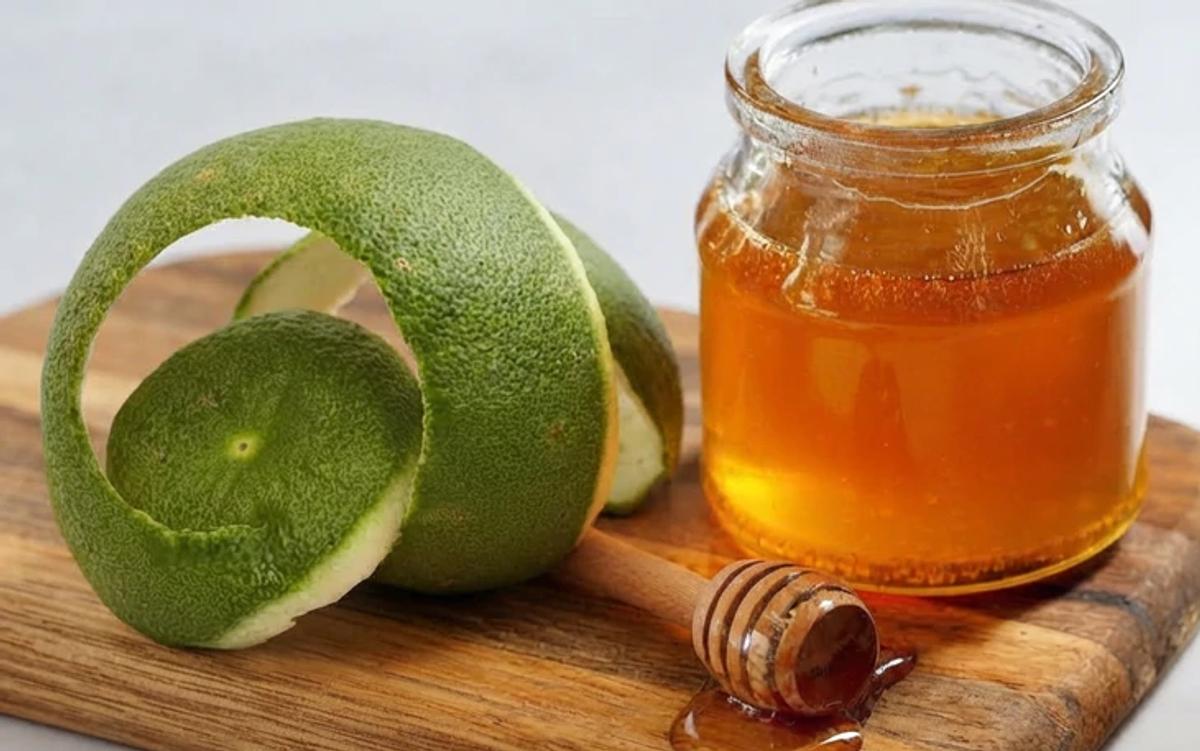
To enhance effectiveness and ease of use, the extracted pectin liquid can be mixed with warm water or honey to boost antibacterial properties for the stomach. The final product should be stored in the refrigerator and ideally consumed within two days. Incorporating this mucilage into porridge, soup, or fruit juices is an effective way to supplement nutrition without significantly altering the flavor profile.