Streamlining Food Safety Governance: A Unified Single-Agency Approach for Better Oversight
Vietnam is advancing reforms in food safety governance, targeting a unified single-agency model to eliminate overlapping responsibilities from central to local levels.
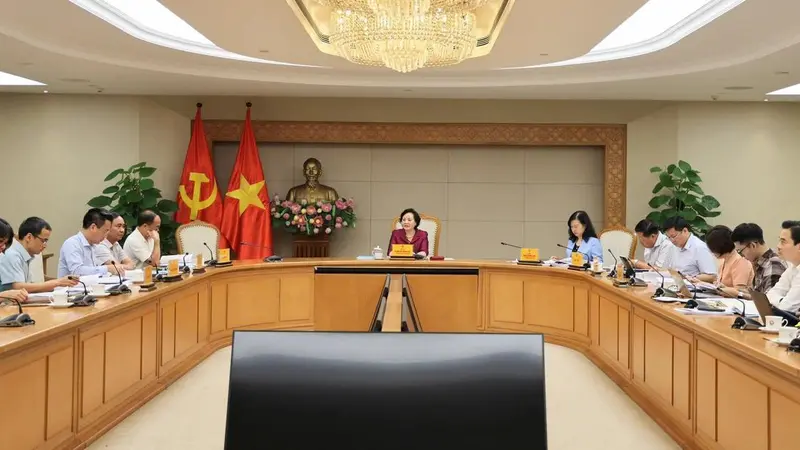
According to Announcement No. 15-TB/BCĐTW dated March 17, 2026, General Secretary To Lam, Head of the Central Steering Committee for Institutional and Legal Reform, has directed the development of a project to consolidate state management of food safety. The new model aims for a unified single-agency approach from the central to local levels, replacing the current fragmented system.
Following this, the Government Office issued Announcement No. 186/TB-VPCP on April 15, 2026, assigning the Ministry of Health to lead and coordinate with the Ministry of Home Affairs and relevant agencies to expedite the project for submission to the Politburo.
Currently, Vietnam's food safety management is shared among three ministries: the Ministry of Health, the Ministry of Agriculture and Rural Development, and the Ministry of Industry and Trade. Each is responsible for specific commodity groups (6 for Health, 19 for Agriculture, and 8 for Industry and Trade). This mechanism requires each ministry to maintain its own vertical structure, leading to overlaps and poor cross-sector coordination, especially in cases spanning the entire supply chain.
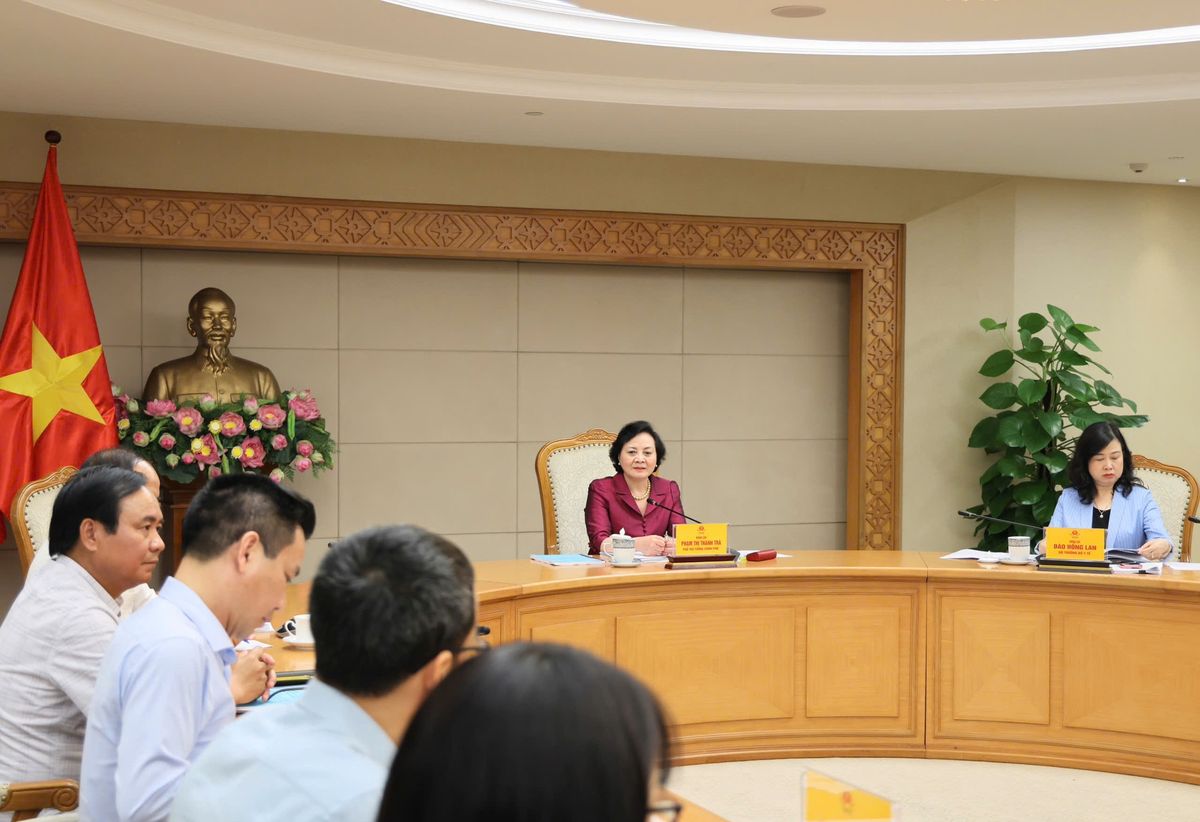
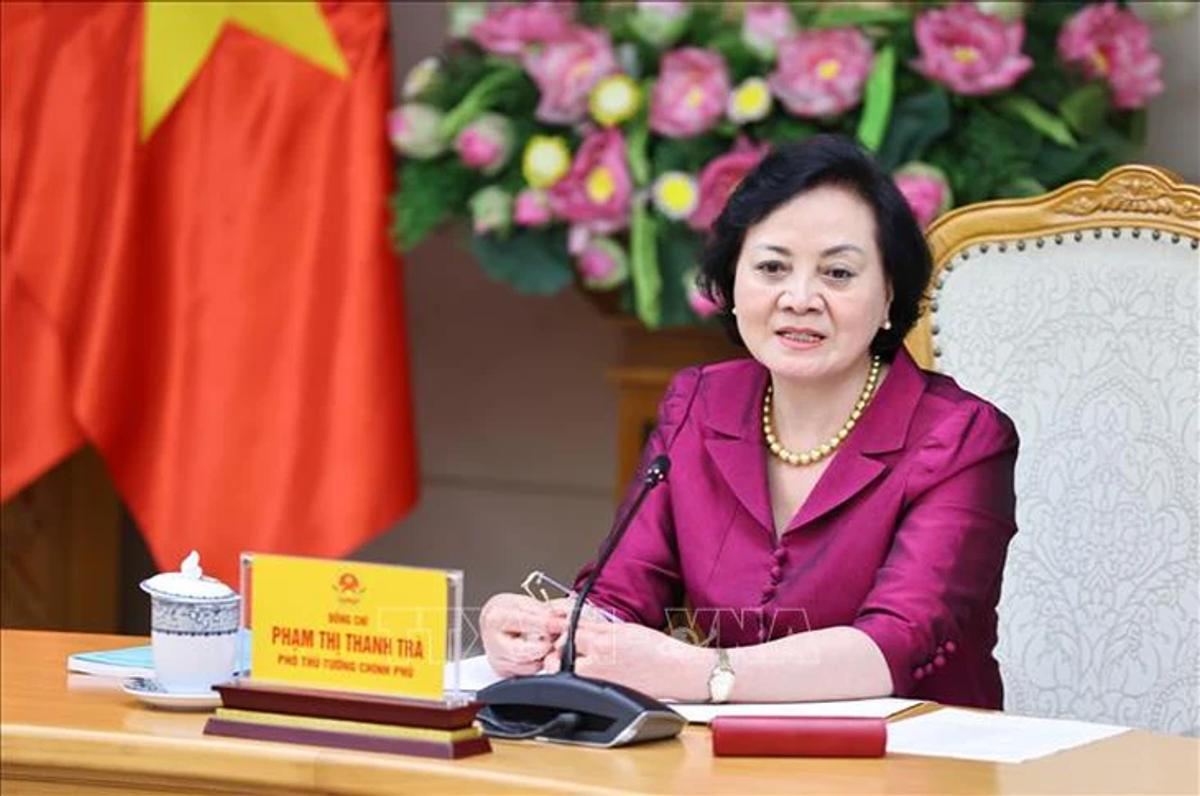
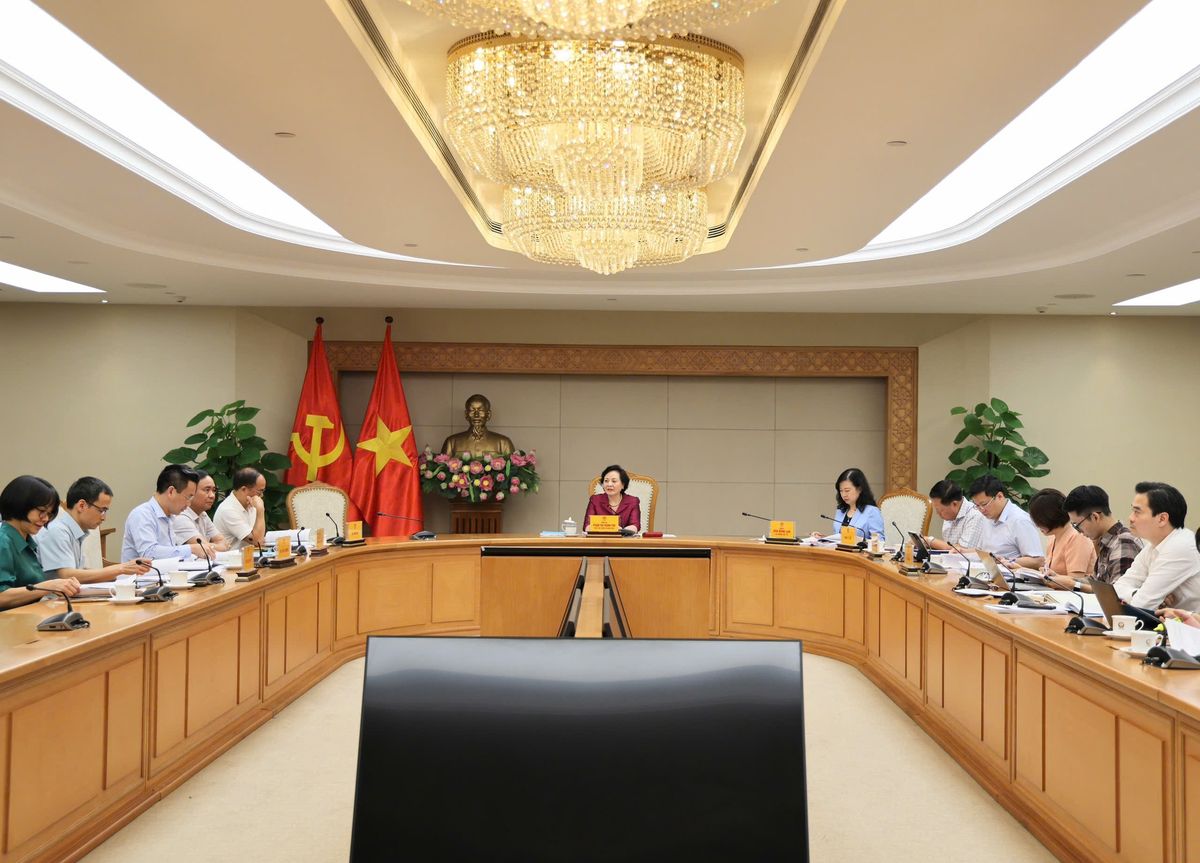
During the project meeting, Deputy Prime Minister Pham Thi Thanh Tra emphasized that protecting the health and lives of citizens is the top priority. She stated that the current 'fragmented' mechanism must be abolished to improve state management efficacy. The consolidation aims not only to streamline personnel but also to clearly define functions and management methodologies in the context of international integration.
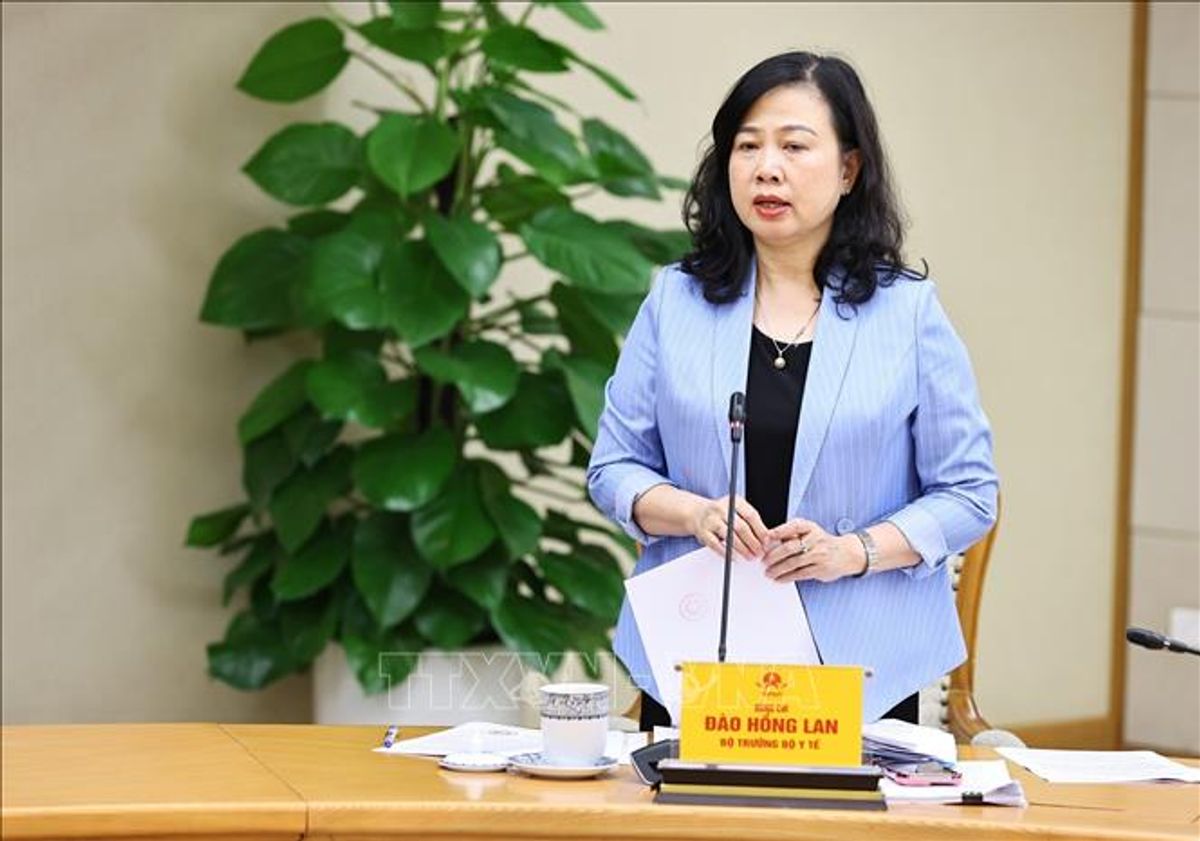
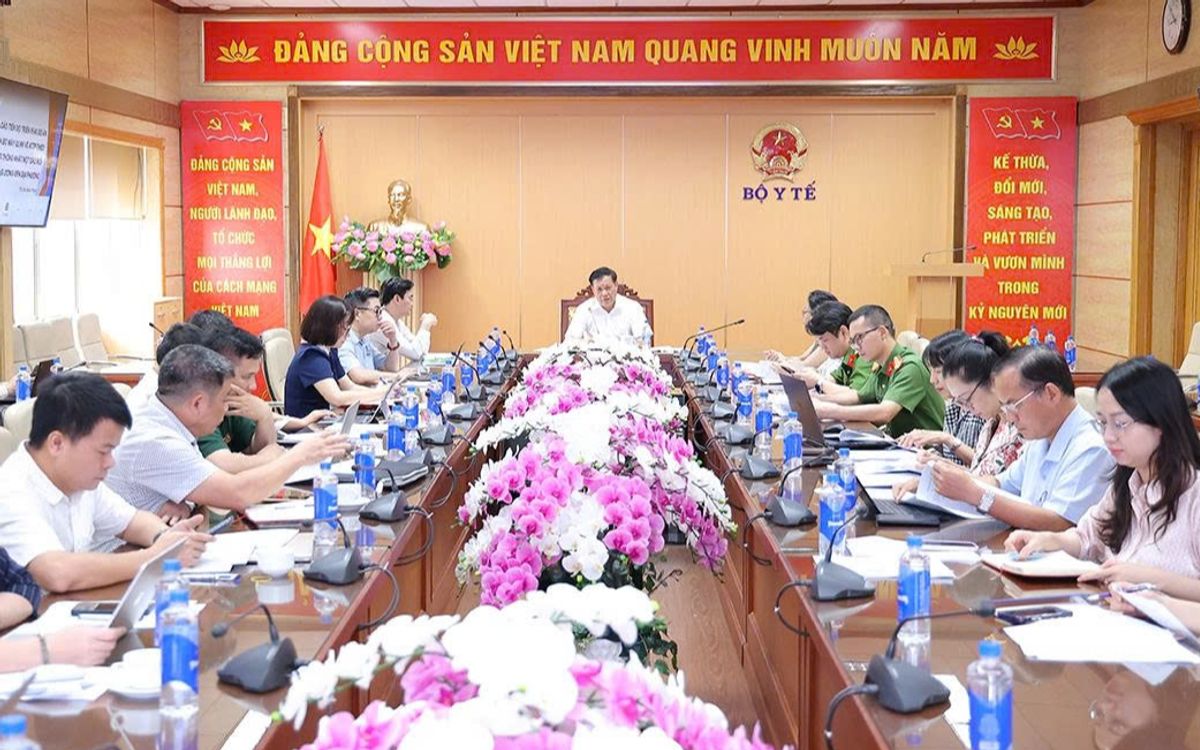
Minister of Health Dao Hong Lan and other officials discussed the proposal to designate the Ministry of Health as the primary agency. Specifically, the Vietnam Food Administration is expected to absorb some functions and personnel from the Ministries of Agriculture and Industry and Trade. Despite having a lead agency, other ministries must continue to fulfill their specific regulatory duties as assigned.
A key highlight of the project is the strong decentralization to local levels, particularly at the commune level. According to the Deputy Prime Minister, communes are the points of direct contact with the public and small-scale business establishments. Therefore, it is necessary to allocate local specialized personnel, combined with community self-management models, to closely monitor daily consumer activities.
Tag: