Streamlining Vietnam's Food Safety Management Toward a Unified Central Authority
The government is developing a project to unify food safety management under a single authority from the central to the local level to enhance regulatory efficiency and accountability.
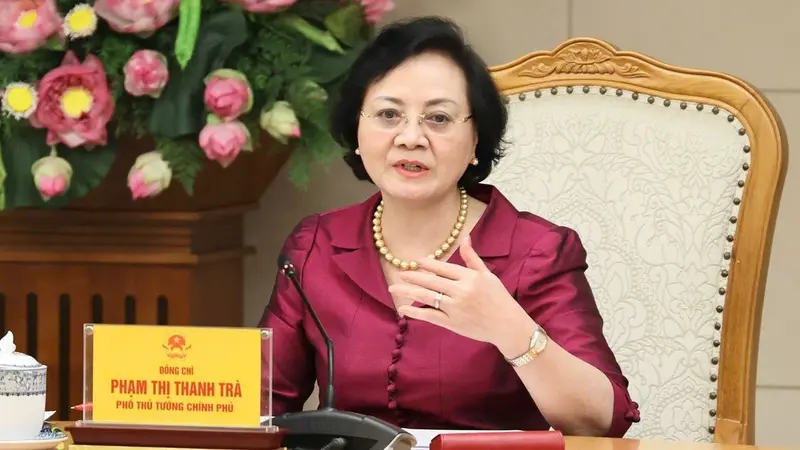
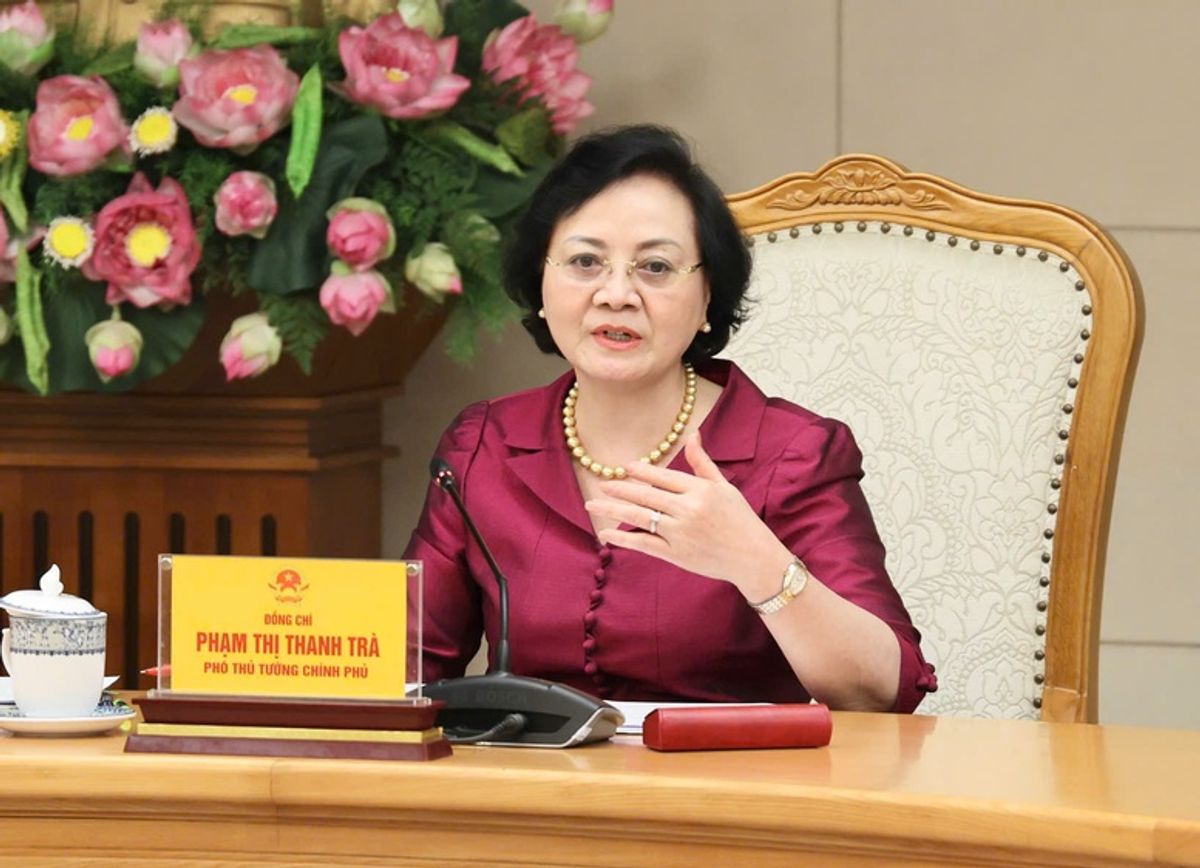
On the afternoon of June 1st, at the Government headquarters, Secretary of the Party Central Committee and Deputy Prime Minister Pham Thi Thanh Tra chaired a specialized meeting to discuss the draft project for refining the state management apparatus for food safety. The core objective of the project is to unify management under a single authority from the central to the local level, replacing the current fragmented mechanism.
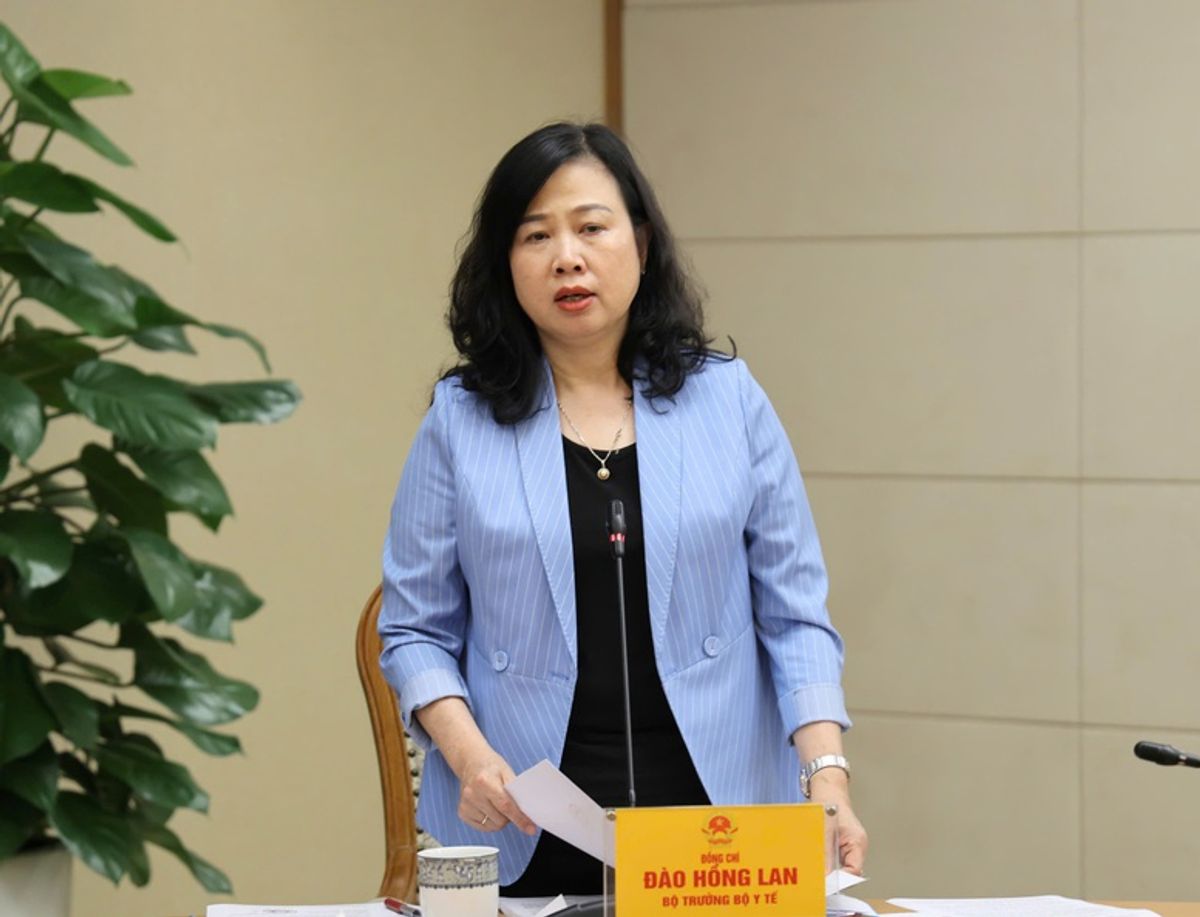
Currently, the food safety management system is distributed among three ministries: the Ministry of Health manages 6 product groups, the Ministry of Agriculture and Rural Development oversees 19, and the Ministry of Industry and Trade regulates 8. This model has revealed numerous limitations, causing overlapping responsibilities and difficulties in assigning accountability throughout the supply chain when incidents occur.
Deputy PM Pham Thi Thanh Tra emphasized that perfecting the apparatus is an objective requirement to protect public health while meeting international integration standards. The new project seeks to clearly define functions, tasks, and coordination methods, ensuring a streamlined and effective structure in line with the spirit of political system reform.
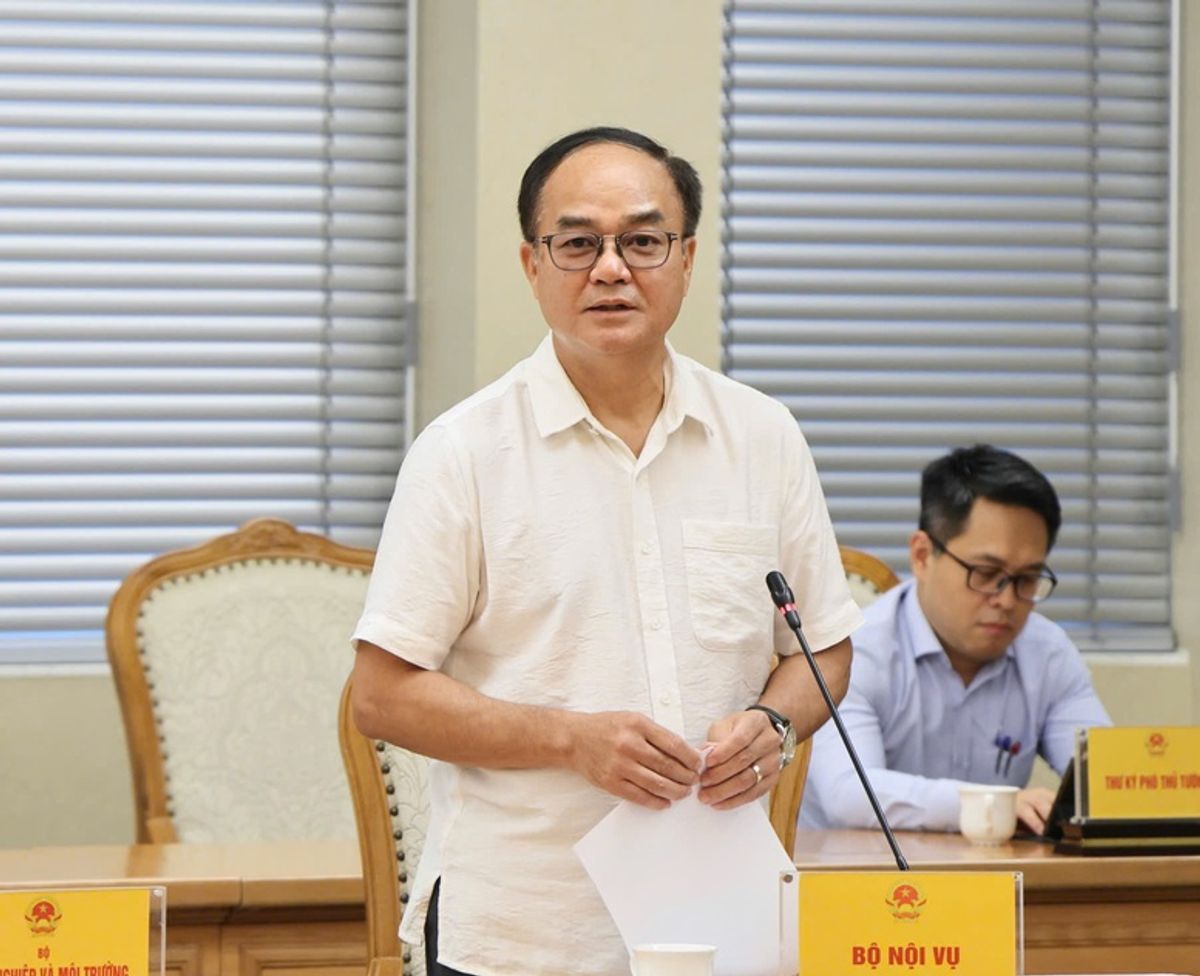
The new orientation focuses on strengthening the Vietnam Food Administration (VFA) under the Ministry of Health by transferring portions of functions and personnel from related ministries to serve as the key leading agency. However, other ministries must still fully execute their specialized management functions as required by law.
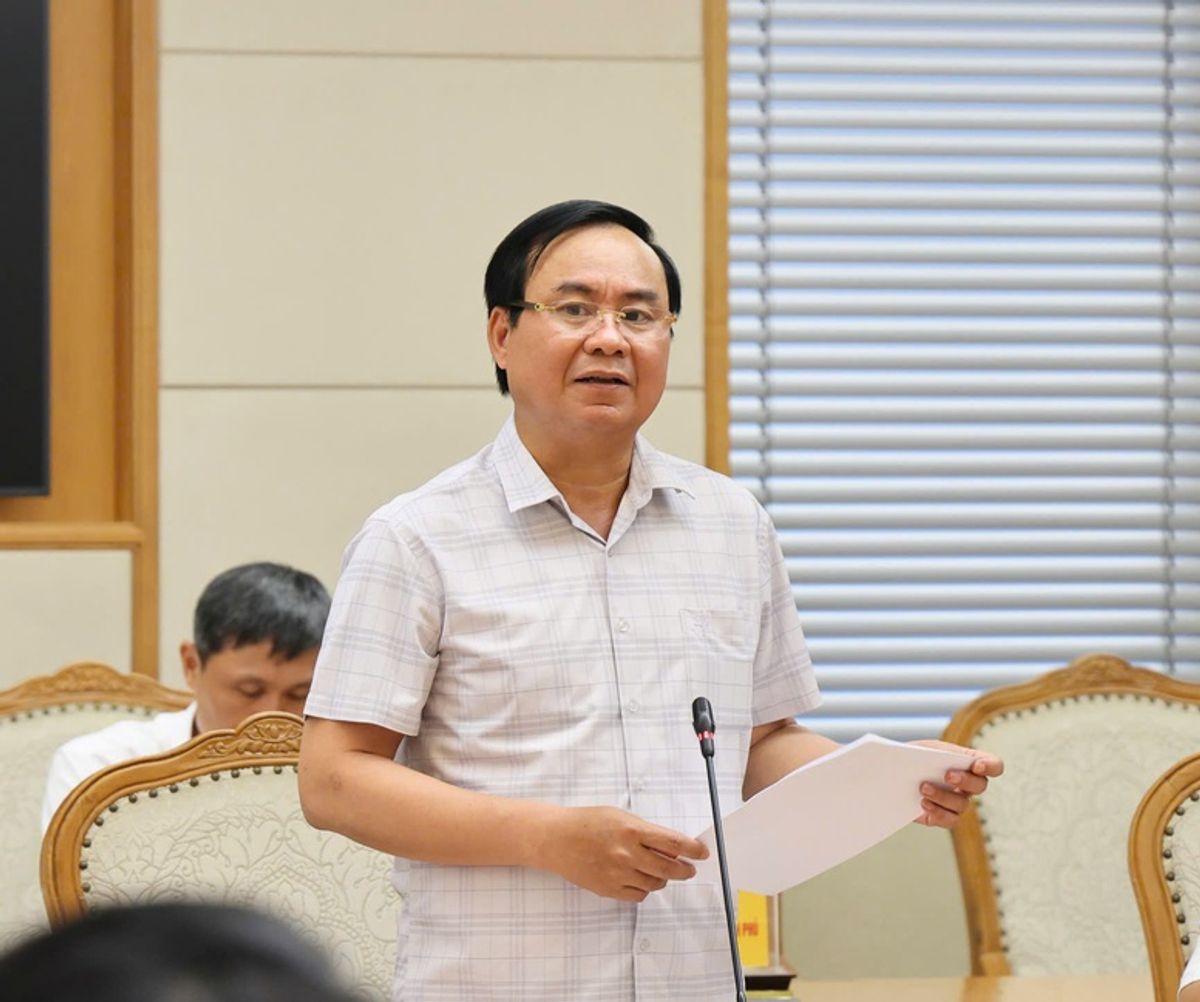
In particular, the government is prioritizing decentralization to the local level, especially at the commune level. According to the Deputy Prime Minister, local authorities play a pivotal role in monitoring, inspecting, and addressing violations directly at household businesses and small-scale production facilities.
Tag: