5th European Conference on Xylella fastidiosa: Science drives progress towards sustainable management
400 experts gathered in Italy to assess the latest scientific advancements in controlling the Xylella fastidiosa pathogen affecting olive trees.
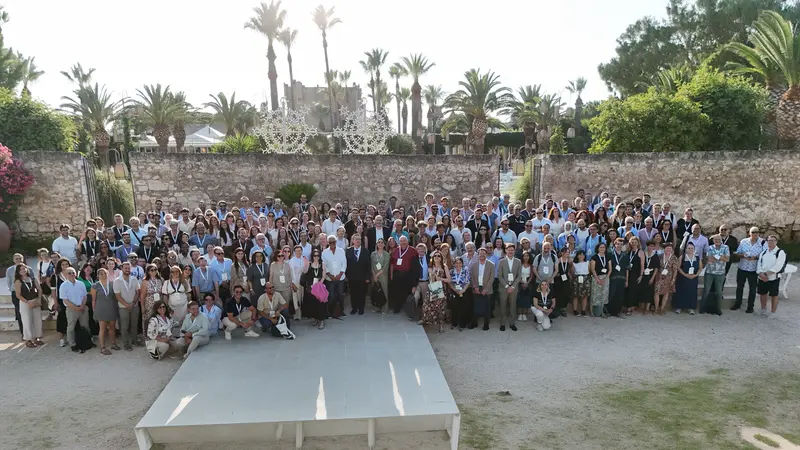
The 5th European Conference on Xylella fastidiosa concluded in Mola di Bari, Italy, marking a significant milestone in research into one of the world's most damaging plant pathogens. Results regarding olive resistance, biological control methods, vector management, and disease surveillance were presented, providing clear directions for practical agricultural management policies.
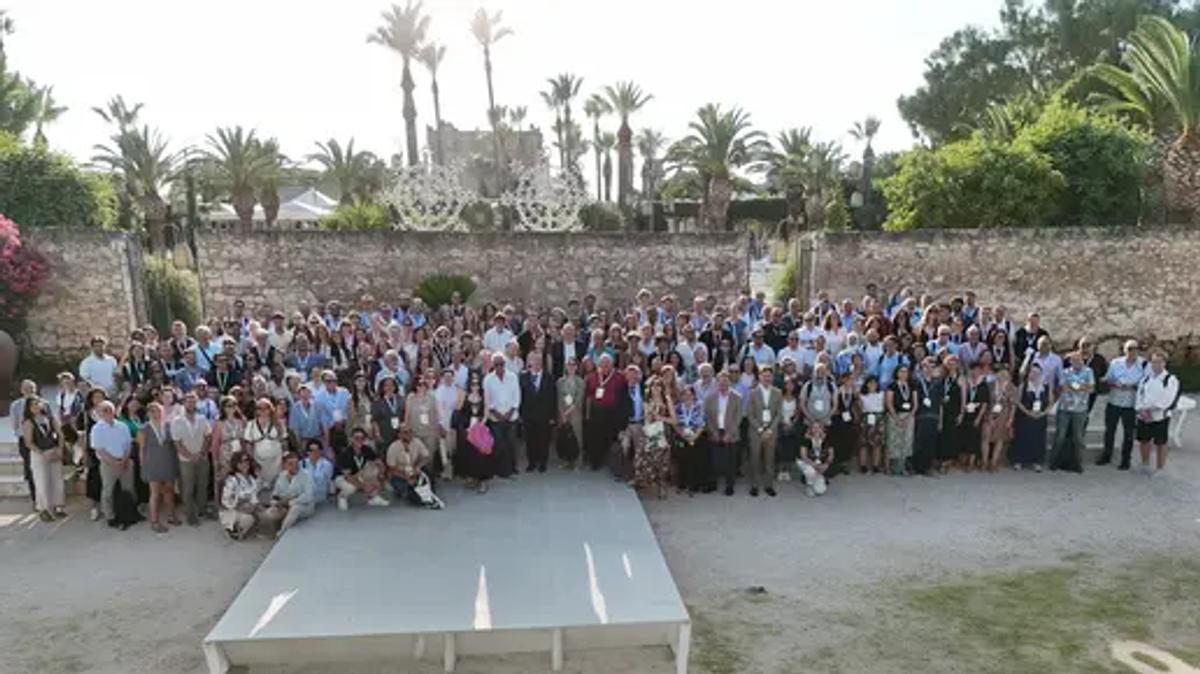
The three-day conference brought together around 400 researchers, policymakers, and stakeholders from across Europe. It was organized by the European Food Safety Authority (EFSA) in collaboration with partners including the Horizon Europe project BeXyl, the research network EUPHRESCO III, the Mediterranean Agronomic Institute of Bari (CIHEAM Bari), the Italian National Research Council (CNR IPSP), and the Regional Plant Health Service of the Puglia Region.
Since Xylella fastidiosa subsp. pauca was identified as the cause of the olive quick decline syndrome in Apulia, over a decade of research has been conducted to tackle this challenge. The conference featured sessions on host resistance, epidemiological modeling, and the socio-economic dimensions of the epidemic. Notably, a dedicated session on olive resistance to the pathogen highlighted collective efforts funded by the EU and Member States to develop practical solutions.
Giuseppe Stancanelli, Plant Health Risk Assessment Team Leader at EFSA, stated: "This conference has once again demonstrated the strength of the scientific community in combining academic excellence with practical solutions. This significantly improves our ability to prevent, detect, and manage outbreaks, contributing to sustainable agriculture."
In the coming weeks, EFSA will launch a public consultation on the latency and incubation period of Xylella fastidiosa and will publish an updated pest risk assessment for the EU by the end of 2026. This is a crucial step to strengthen the legal and technical framework for plant health protection in Europe.
Tag: