The Synergistic Benefits of Magnesium and Vitamin D for Gut Health
Discover the health benefits of combining magnesium and vitamin D in your daily diet to improve digestive function and overall well-being.

A healthy digestive system serves as the cornerstone of overall well-being, directly influencing nutrient absorption, immune function, and mental state. Among essential nutrients, magnesium and vitamin D are frequently overlooked despite their profound impact on gut functionality.

According to Associate Professor Dr. Nguyen Thi Lam, former Deputy Director of the National Institute of Nutrition, magnesium is a macronutrient involved in numerous metabolic processes, bone mineralization, and hormonal regulation. Notably, magnesium supports the activation of digestive enzymes that aid in effective food breakdown. Studies indicate that magnesium also helps maintain gut microbiota diversity, reduces inflammation, and assists in alleviating symptoms of Irritable Bowel Syndrome (IBS).
Furthermore, vitamin D plays a pivotal role in maintaining gut bacterial balance and strengthening immune defenses. A critical insight from medical experts is the synergistic relationship between these two micronutrients: the body requires magnesium to activate and metabolize vitamin D. If magnesium levels are insufficient, vitamin D cannot be effectively utilized by the body.
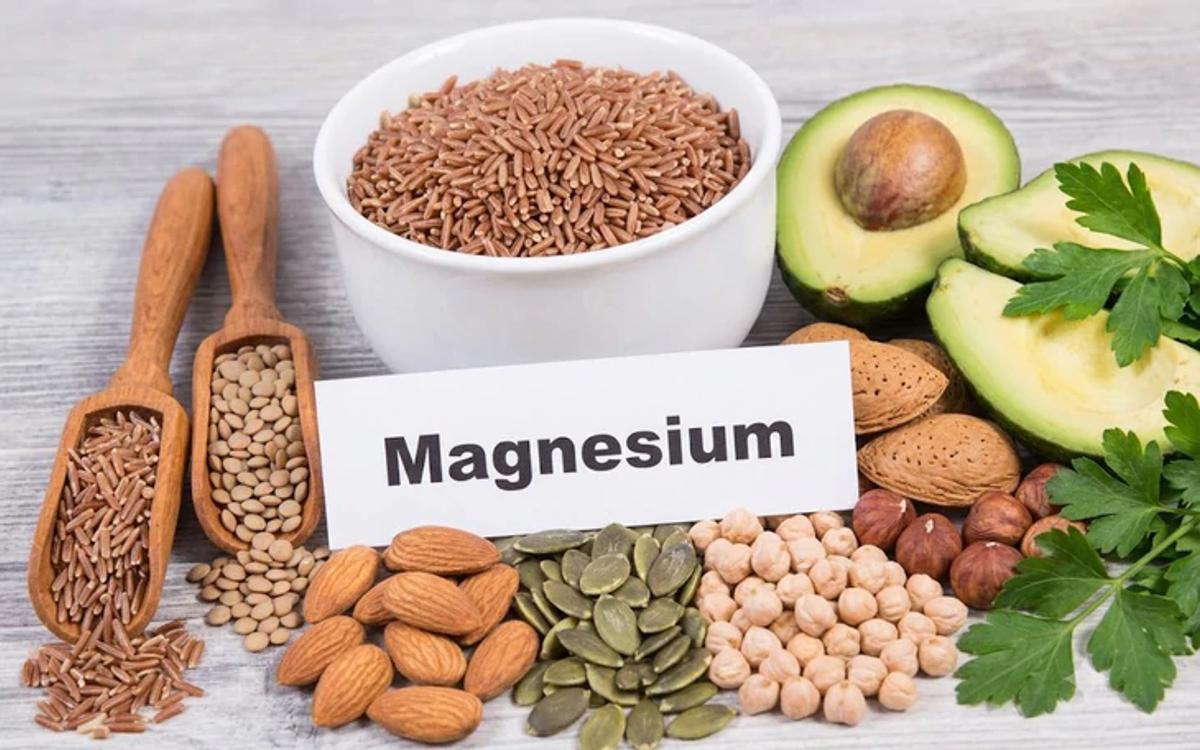
To optimize gut health, prioritizing natural food sources is the primary recommendation. Magnesium is abundant in pumpkin seeds, dark chocolate, nuts, whole grains, bananas, and dark leafy greens. As for vitamin D, beyond sunlight exposure, you can obtain it through mushrooms, egg yolks, and fatty fish. Maintaining a diverse diet not only prevents micronutrient deficiencies but also serves as a sustainable foundation for daily digestive protection.