Exploring Nutritional Science: The Role of Resistant Starch and Prebiotics in Gut Health
Learn how resistant starch and prebiotics nourish the gut microbiome, supporting healthy digestion through scientific foundations.
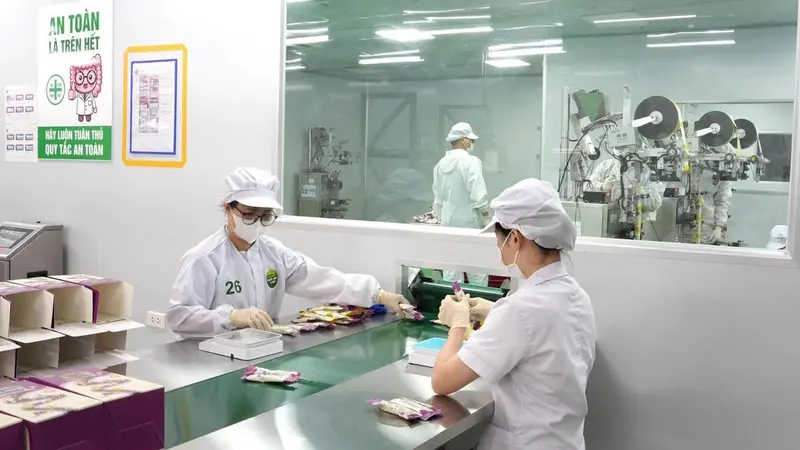
Once consumed, food undergoes digestion and absorption in the small intestine to generate energy. However, not all nutrients stop there. Certain types of carbohydrates continue to the large intestine, serving as a vital substrate for the trillions of microorganisms residing in the colon, providing superior benefits for the digestive system.

Unlike common starch, which is broken down into glucose for immediate energy, resistant starch possesses a stable structure that resists degradation in the small intestine. In the large intestine, it serves as food for the microbiome through natural fermentation. This process produces short-chain fatty acids (SCFAs) such as acetate, propionate, and especially butyrate—an essential energy source that helps maintain the colonic barrier.
While Probiotics introduce live microorganisms directly, Prebiotics provide essential nourishment for the existing microbiome. The combination of Prebiotic groups like resistant starch RS3 and IMO (isomaltooligosaccharide) creates a diverse nutritional source, supporting the balance of the gut microbiome from the root rather than mere passive bacterial supplementation.
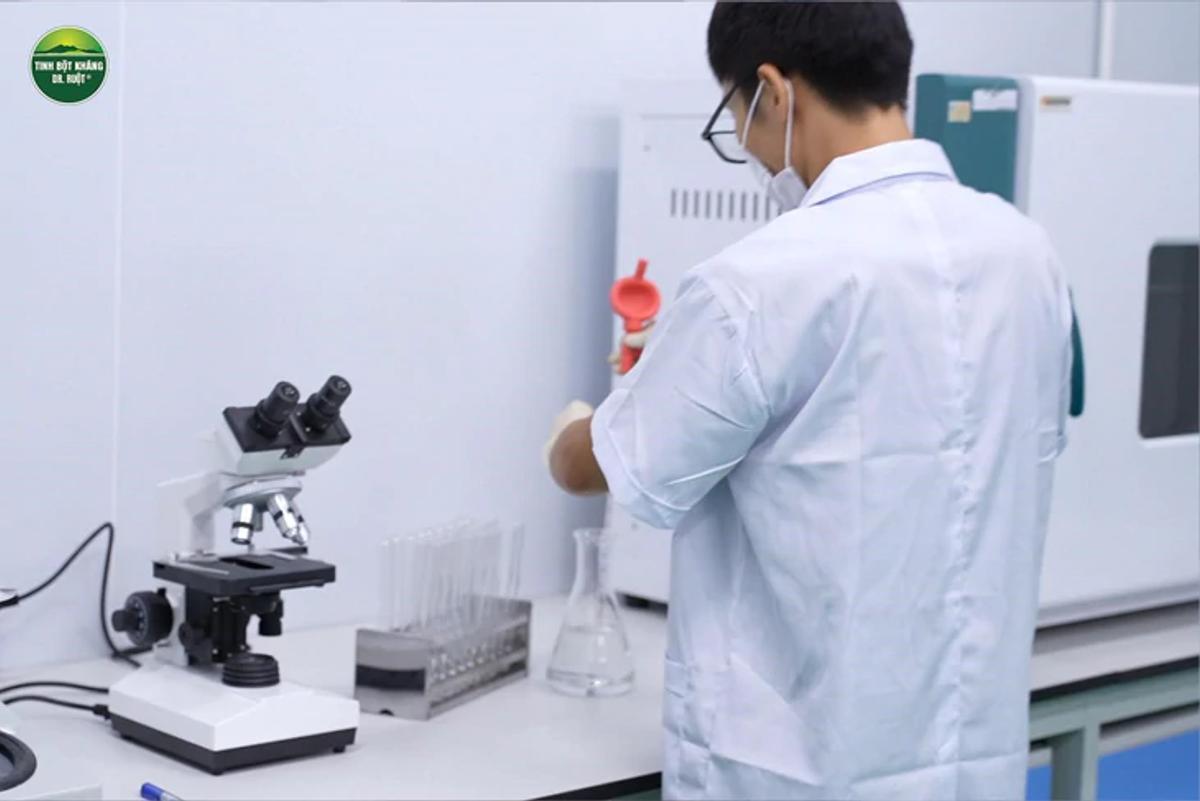
To optimize nutritional solutions, the DR. RUỘT Premium Kids resistant starch product line integrates the combination of RS3 and IMO. Beyond Prebiotics, the formula incorporates plant-based protein from soybeans, peas, pumpkin seeds, and medium-chain triglycerides (MCTs) to facilitate rapid energy conversion, making it suitable for children with sensitive digestion or lactose intolerance.
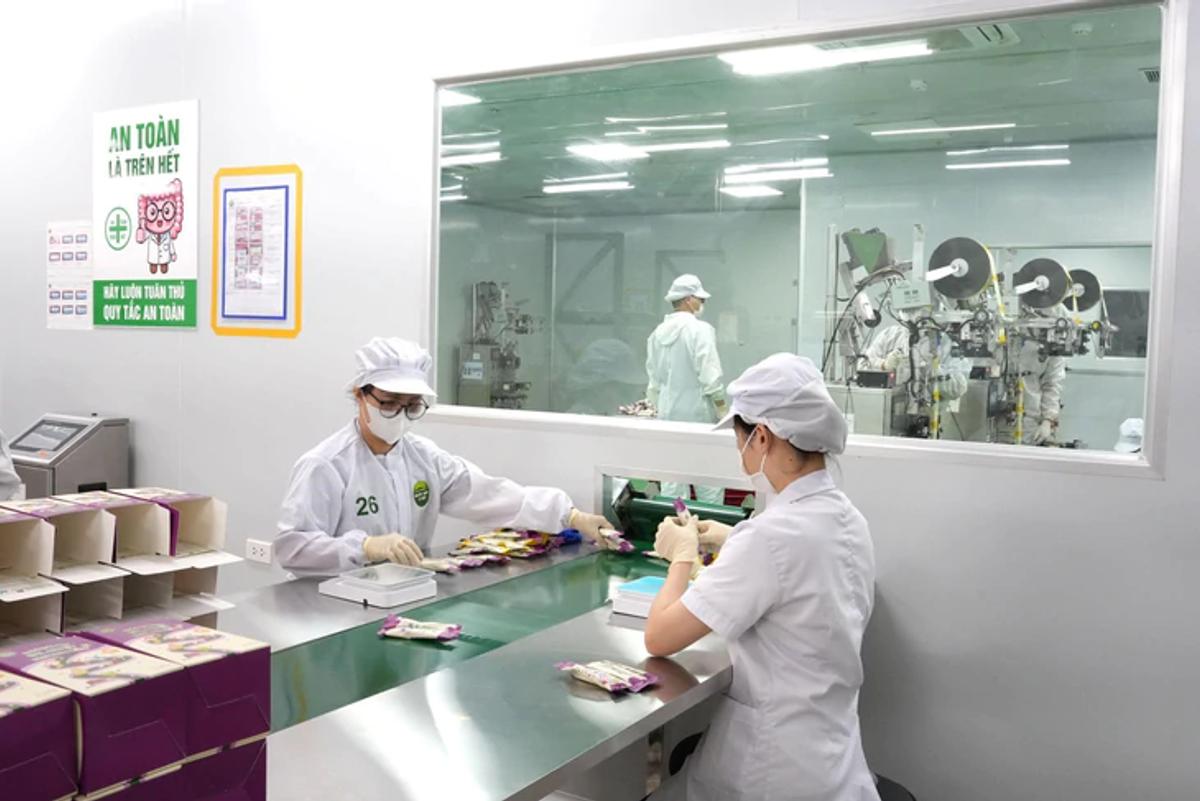
It is important to note that resistant starch is not a drug that replaces medical advice. Maintaining a diverse diet, adequate hydration, and a healthy lifestyle remains the sustainable foundation for digestive health. Scientific nutritional supplements should be viewed as supportive companions, helping parents proactively and comprehensively care for their children's digestive systems.