66-Year-Old Farmer Achieves Breakthrough with Organic Rice Cultivation Using Fresh Milk and Eggs
Truong Quang Tri, a farmer in Quang Ngai, has successfully implemented a chemical-free organic rice farming method using a mixture of fresh milk and eggs to protect crops and ensure high-quality rice.
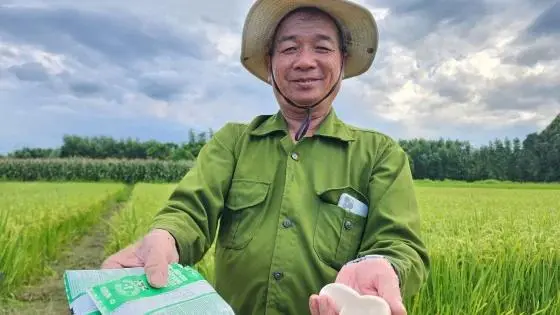
Quang Ngai - Committed to the goal of clean rice production, 66-year-old Truong Quang Tri (Son Tinh Commune, Quang Ngai Province) has successfully established an organic rice farming process that reduces production costs while ensuring safety for human health and the ecological environment.
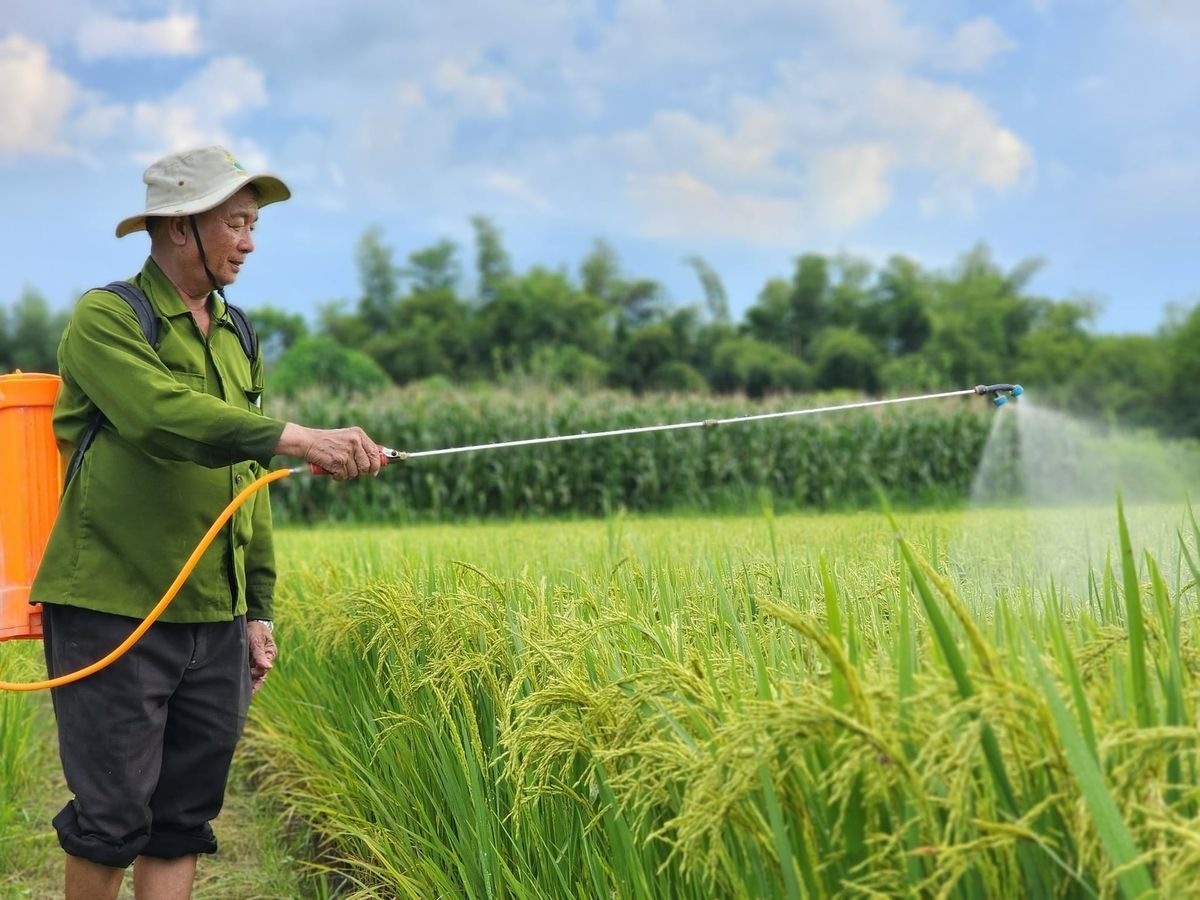
Having spent over half his life in the fields, Mr. Tri has witnessed the transition from manual farming to mechanization, as well as the era of excessive chemical pesticide use for high yields. Concerned about the negative impacts of chemicals on the environment, he sought a different path. In 2019, he began applying a mixture of fresh milk and eggs to his crops as a substitute for chemical pesticides.
Testing results from the Center for Scientific and Technological Application and Services (Quang Ngai Department of Science and Technology) showed that levels of mercury, cadmium, lead, arsenic, and aflatoxin were 'not detected.' Notably, pesticide residues were at zero, meeting rigorous food safety standards.
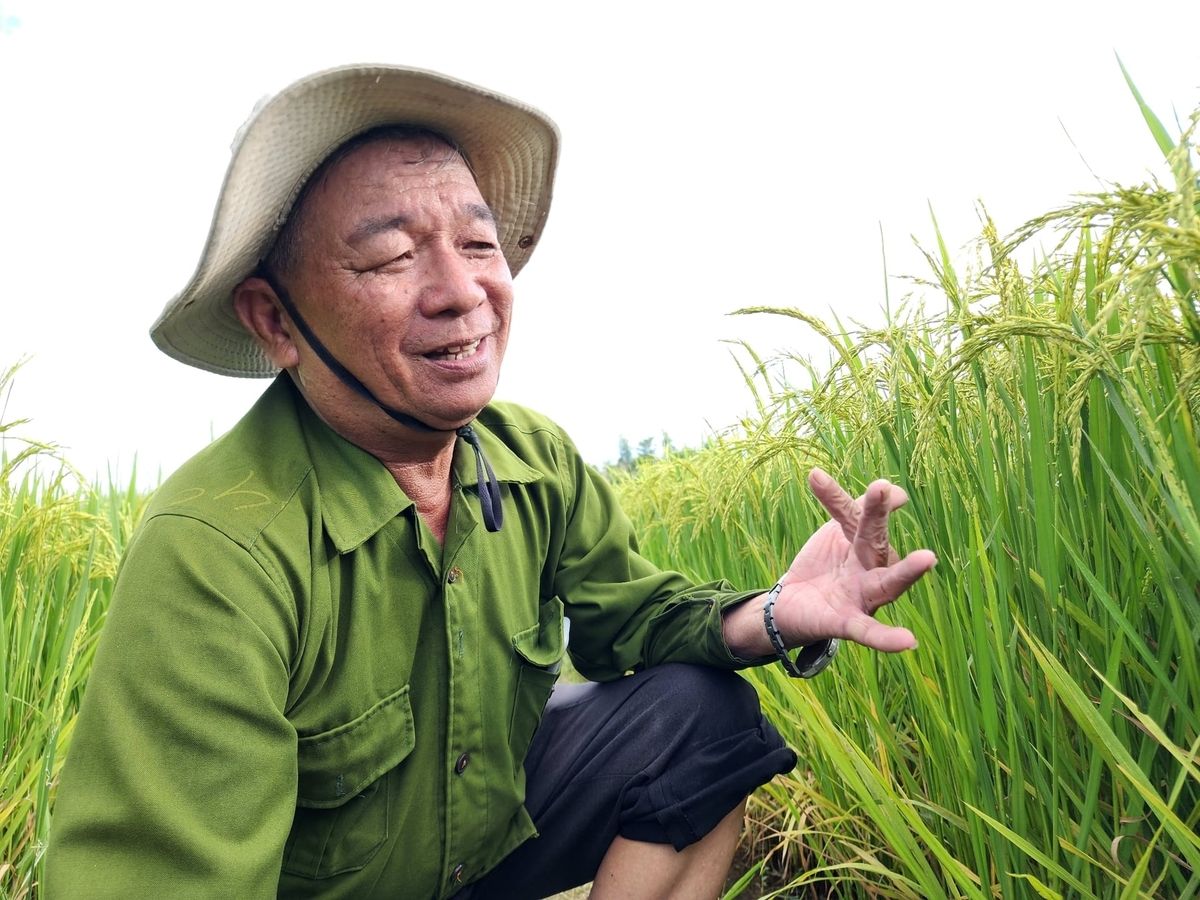
Mr. Tri's formula involves using lime powder for calcium supplementation, combined with fresh milk and eggs to provide essential micronutrients. Instead of the seven applications used in other models, he only sprays three times at critical stages: after thinning, at 35 days old, and before heading. This process enhances crop resistance and cuts production costs by 60% compared to traditional methods.
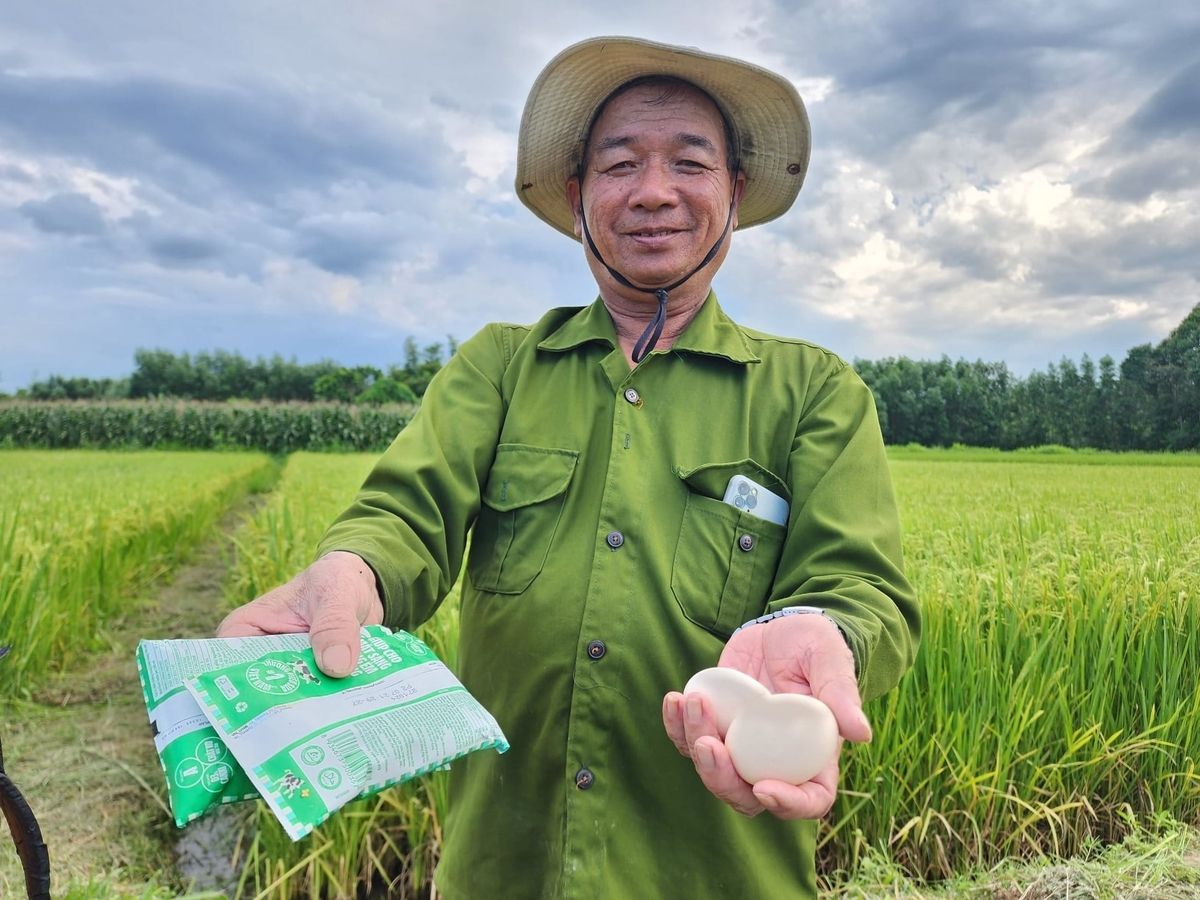
Mr. Tri's organic rice is currently well-received by the market, commanding prices 1.5 to 2 times higher than conventional rice. According to the Quang Ngai Sub-Department of Crop Production and Plant Protection, this farming approach is consistent with current safe agriculture trends, contributing to the spread of sustainable farming models among local farmers.