Could Ube be the 'Next Matcha' in the Beverage Industry?
As matcha faces supply pressures and climate challenges, Philippine purple yam (ube) is emerging as a global beverage trend thanks to its vibrant purple hue and viral appeal.
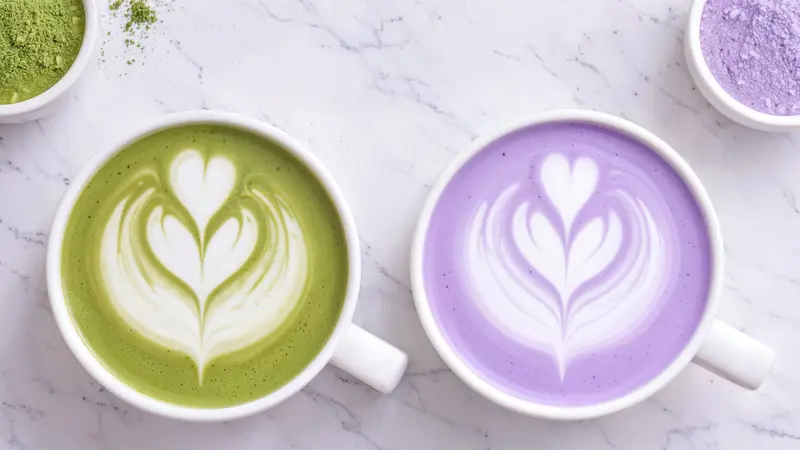
Japanese green tea has been a global phenomenon for the past decade. However, surging demand and unfavorable harvests are pressuring supplies and driving up costs, leading global beverage brands to seek out the 'next matcha'.
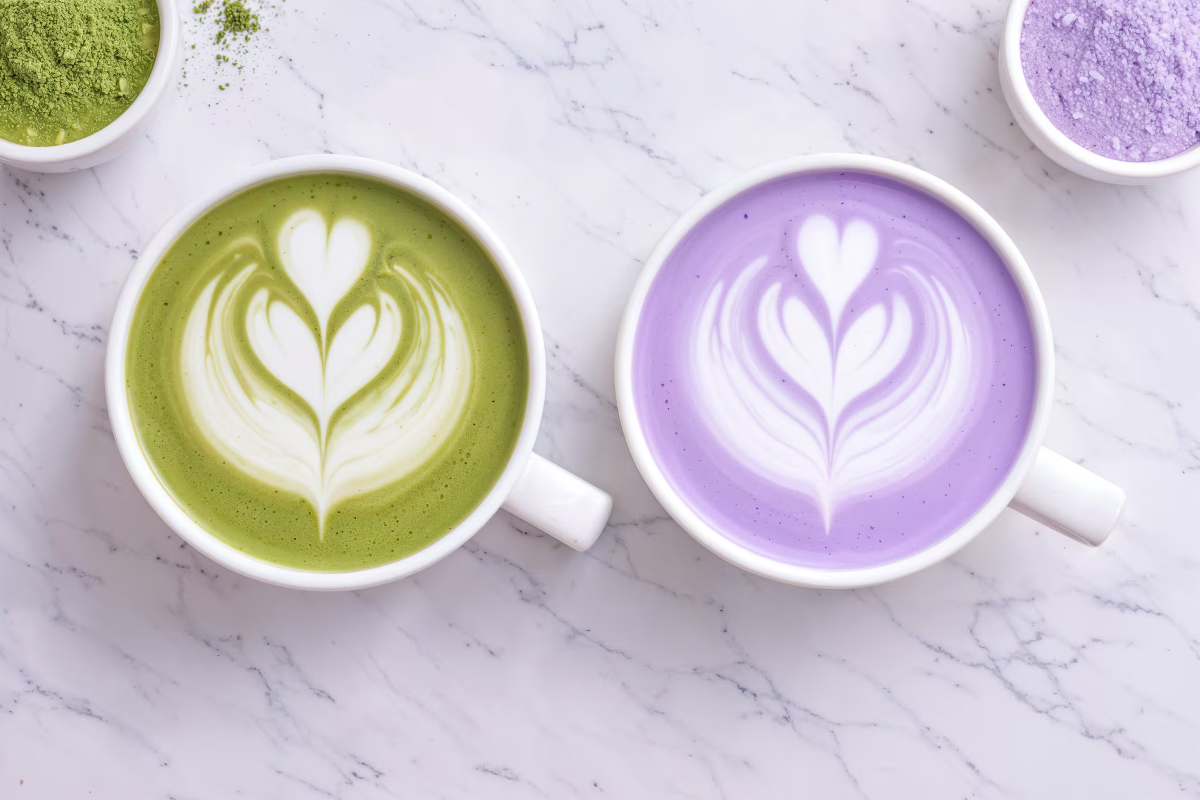
Once a niche ingredient, matcha gained widespread popularity in food and cosmetics thanks to social media. However, its production is slow and seasonal, with only one harvest per year. Climate pressures and labor shortages in Japan have limited output, creating a gap filled by inferior substitutes. Jaya Dandey, an analyst at GlobalData, warns of fake products and blends found to contain heavy metals like lead, arsenic, and cadmium, urging for stricter certification standards.
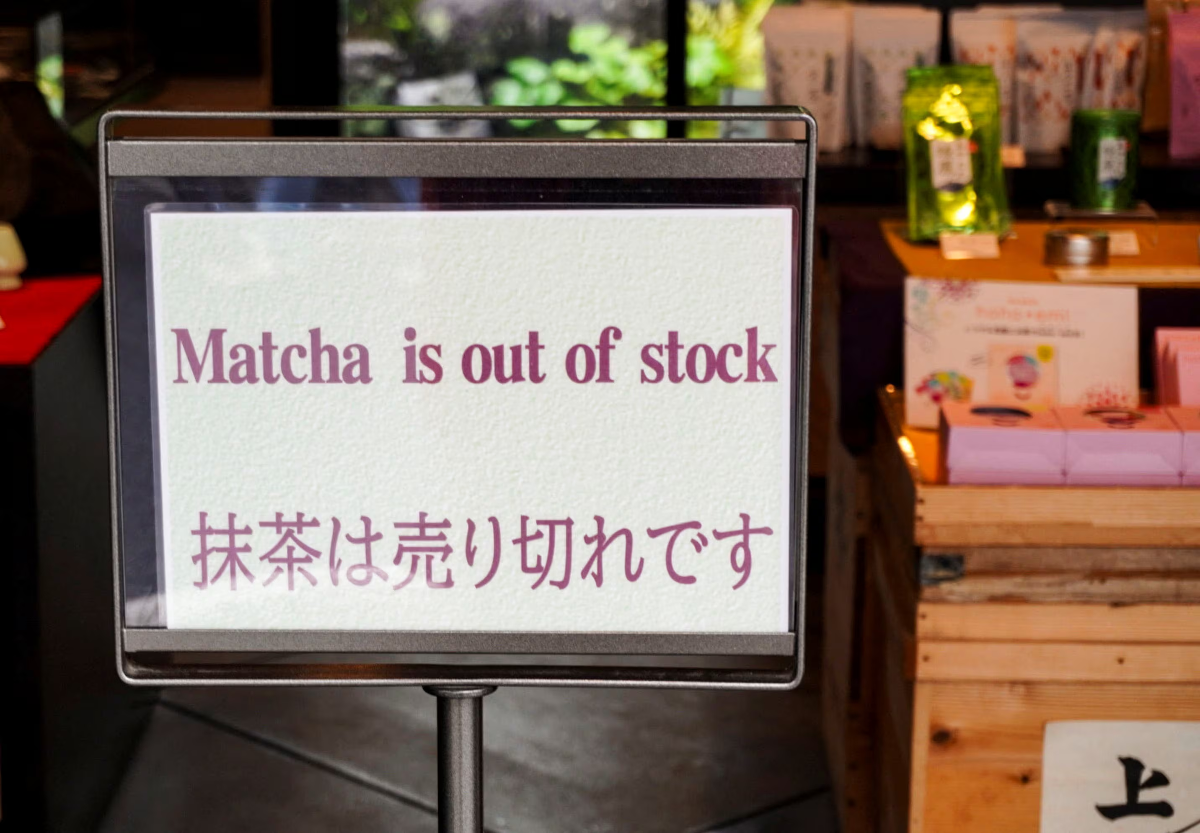
Japan is currently implementing measures such as supporting Tencha cultivation, promoting regional branding (e.g., Uji Matcha), and reviewing export tax terms to protect authenticity. In the past year, import prices for premium matcha have soared by 180%, creating a profit-margin challenge for cafe owners.
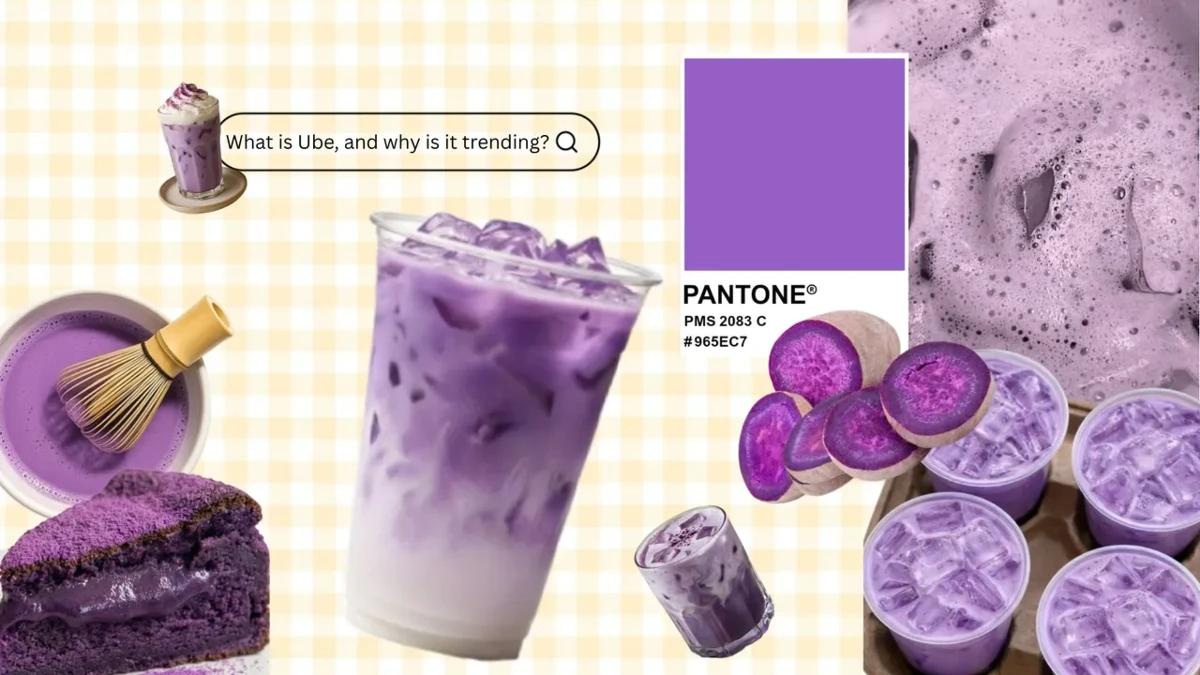
Against this backdrop, ube (purple yam from the Philippines) is being bet upon by major UK coffee chains like Costa Coffee and Starbucks as a successor. Kiti Soininen from Mintel notes that ube’s striking purple color is key to its visual appeal, mirroring the viral success once enjoyed by matcha and Dubai chocolate on online platforms.
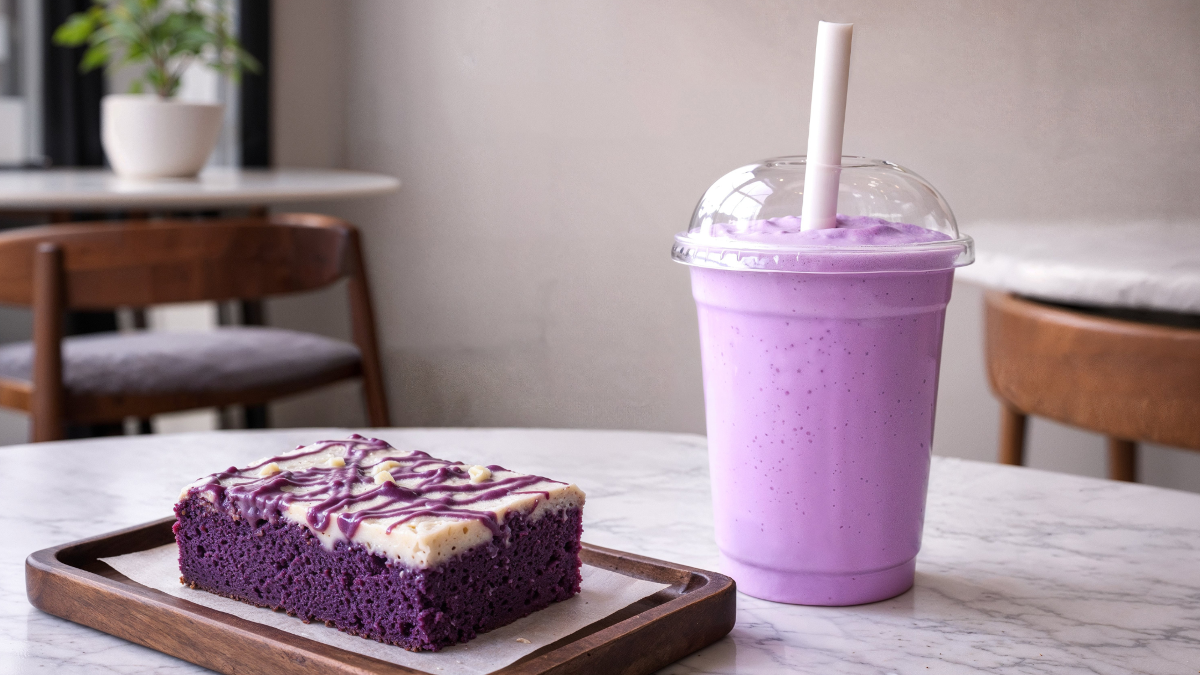
Ube's appeal lies not just in aesthetics but also in its approachable, sweet, and creamy flavor profile. According to Datassential, ube's presence on US menus has increased by over 200% in the last two years. Corporations like Starbucks and King's Hawaiian have integrated the ingredient into their main product lines in 2026.
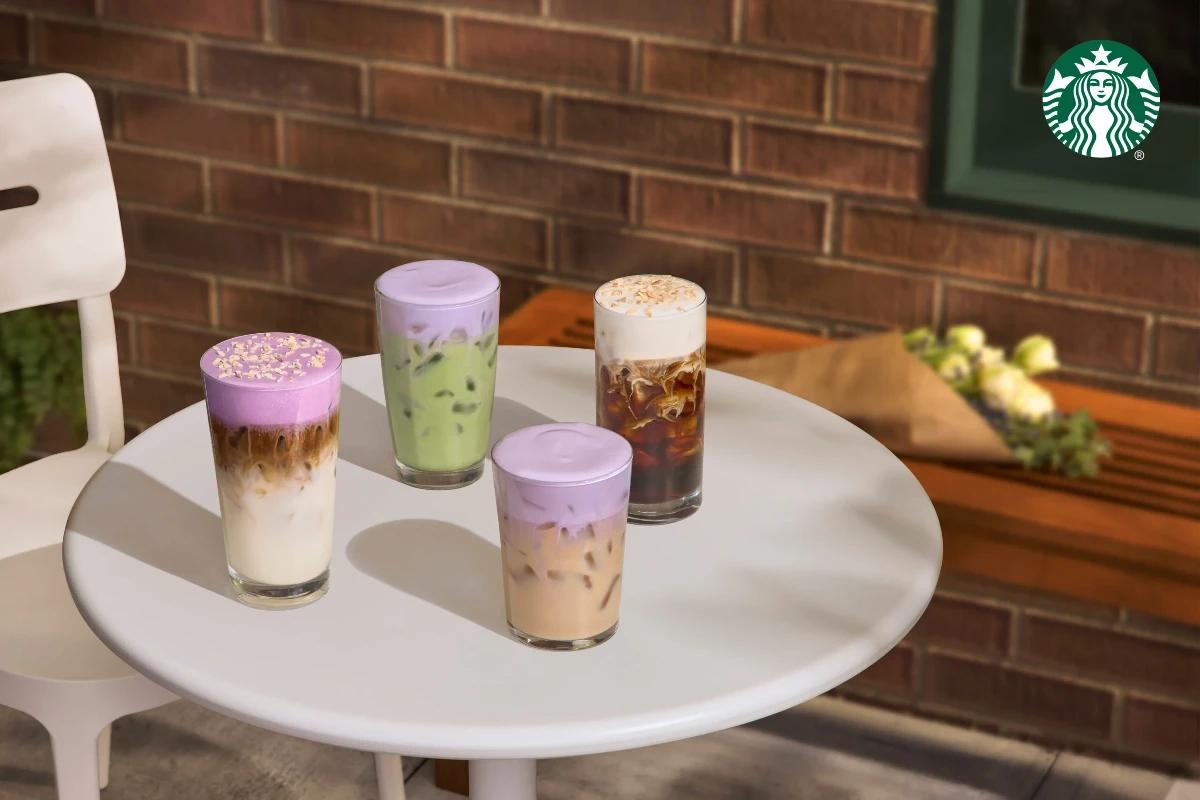
In India, ube is establishing itself through eye-catching layered aesthetics in drinks like Ube Lattes and Smoothies. U.S. flavor firm T. Hasegawa even named ube 'Flavor of the Year', reinforcing its potential for product developers.
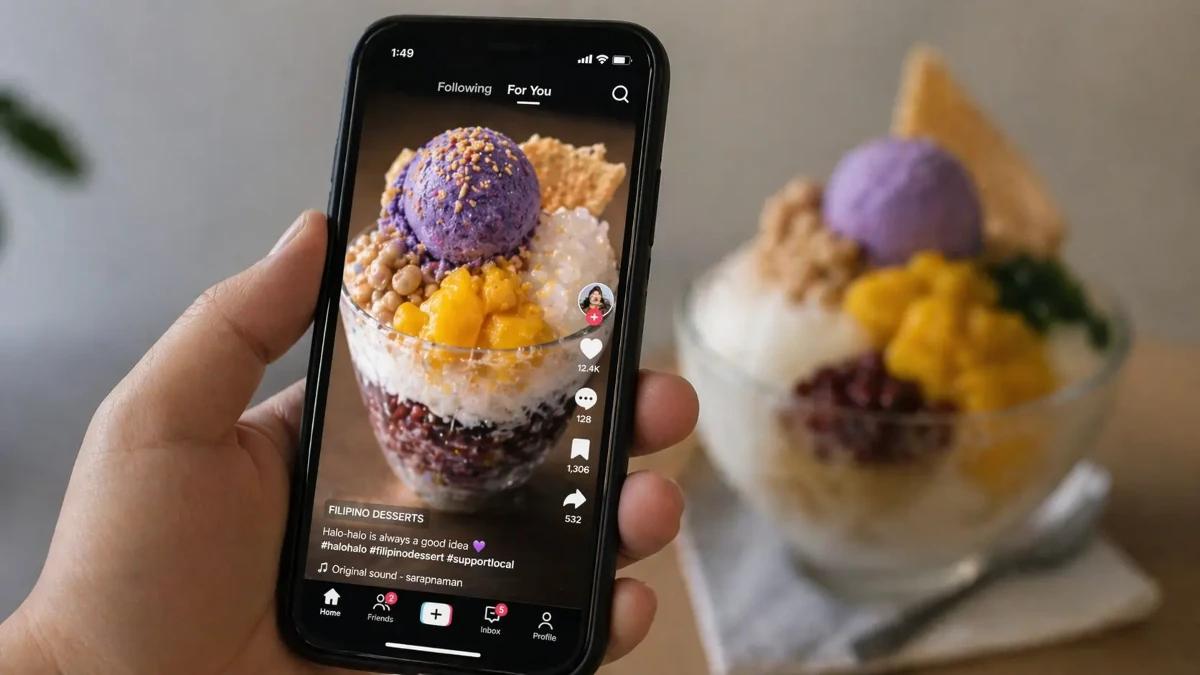
Nutritionally, ube is rich in antioxidants (anthocyanins), vitamins, and fiber. Notably, being naturally caffeine-free, it excels in the dessert beverage segment and as a late-night drink option.
According to the Philippine Department of Trade and Industry (DTI), ube exports reached $3.06 million in 2025, a growth of 20.4%. While the market size remains modest compared to matcha's $9 billion industry, its growth rate proves that ube is a formidable newcomer in the global food ingredient market.
Tag: