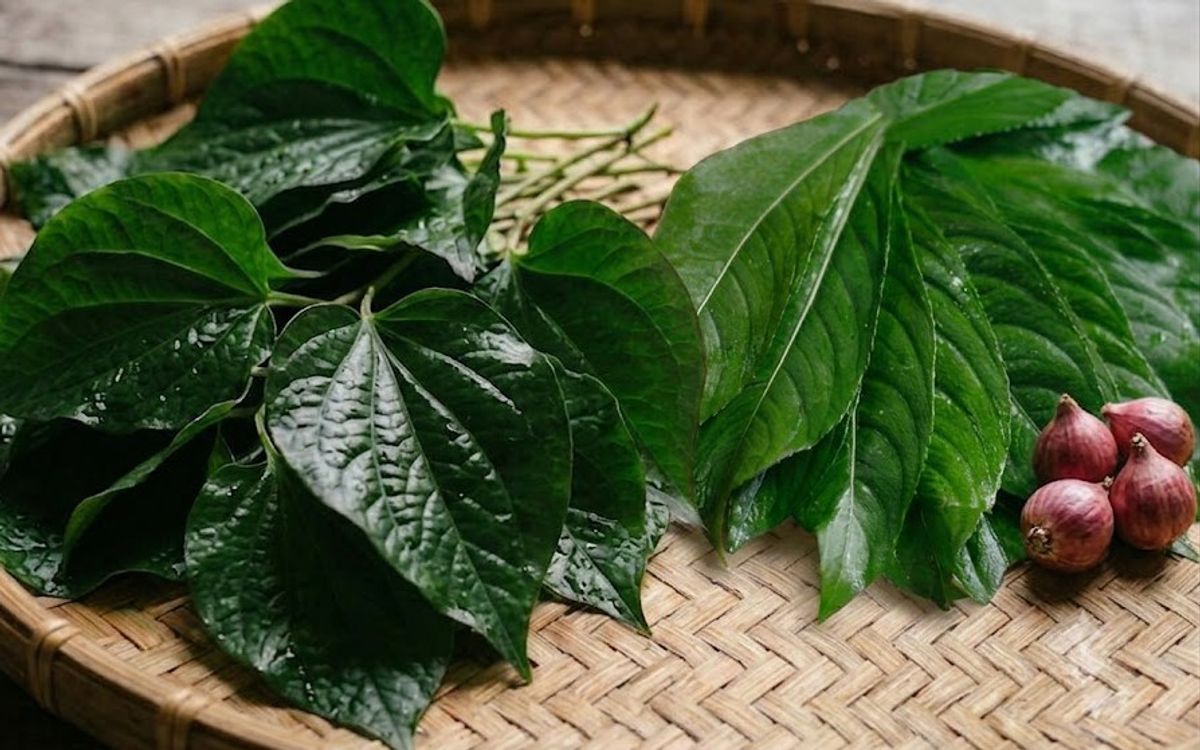
Health Benefits and Scientific Values of Blumea lanceolaria Leaves
Explore the medicinal values and anti-inflammatory potential of Blumea lanceolaria essential oil through modern scientific research.

From a familiar culinary herb in Vietnamese cuisine, Blumea lanceolaria leaves are increasingly demonstrating health benefits through a scientific lens. Its distinct aroma, traditional medicinal applications, and bio-activities documented in experimental studies have generated significant interest in this plant.
Blumea lanceolaria, belonging to the Asteraceae family, is an indispensable ingredient in traditional rolls and meat patties. The unique aroma of the leaves comes from volatile compounds in the essential oil, which play a key role in defining the culinary profile of the dish.
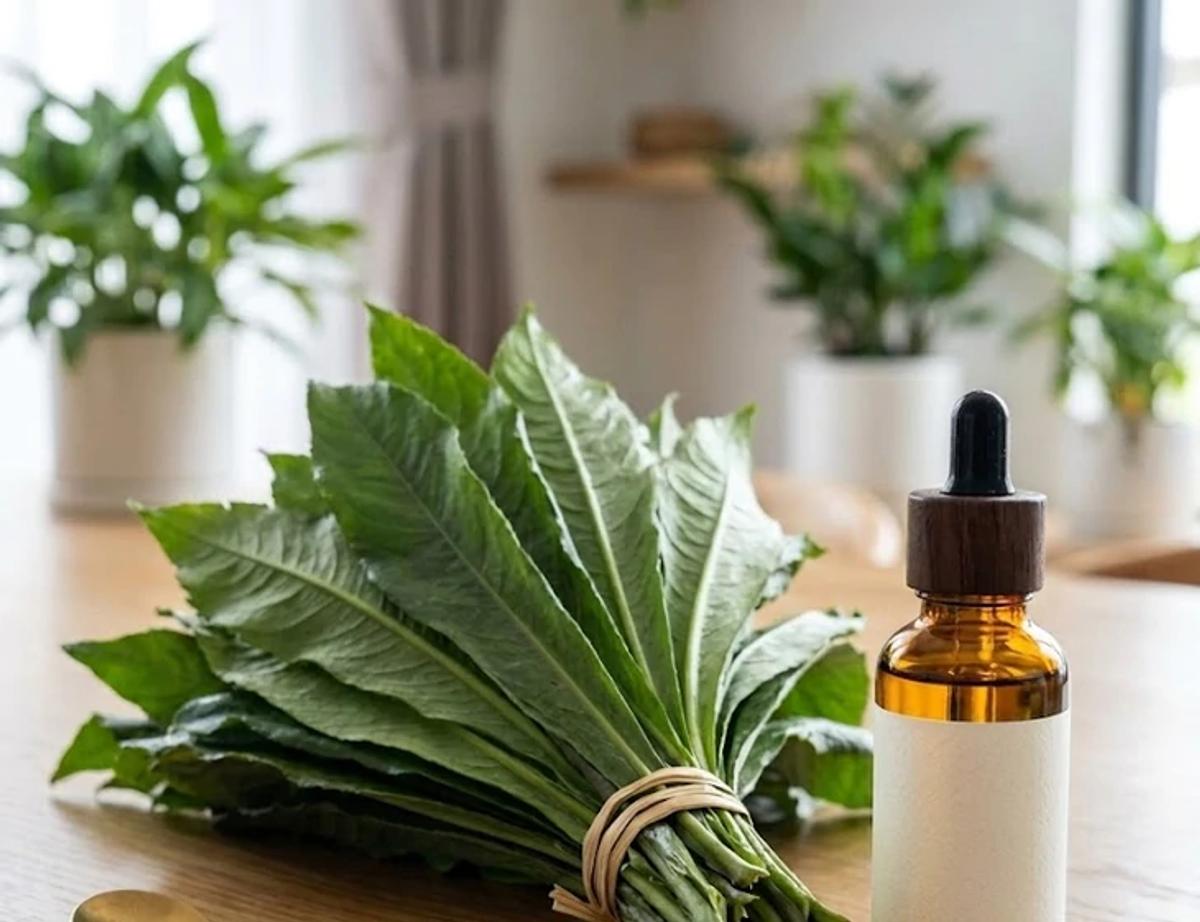
Beyond traditional uses for coughs, fevers, and indigestion, scientists have focused on the plant's chemical composition. Research published in the Journal of Essential Oil Research (1991) recorded that methyl thymol accounted for 95% of the essential oil from Blumea lanceolaria in Vietnam. Meanwhile, another study in the journal Molecules (2022) by Dr. Do Thi Thanh Huyen identified 30 compounds, with carvacrol methyl ether and o-cymene being the primary components in leaf essential oil.
Modern findings have shown that Blumea lanceolaria essential oil possesses significant anti-inflammatory activity in cell-based and animal model experiments. Specifically, the essential oil helps reduce inflammatory mediators and swelling in experimental models. However, experts note that these are results from laboratory studies, and further clinical trials are required to confirm therapeutic efficacy in humans.
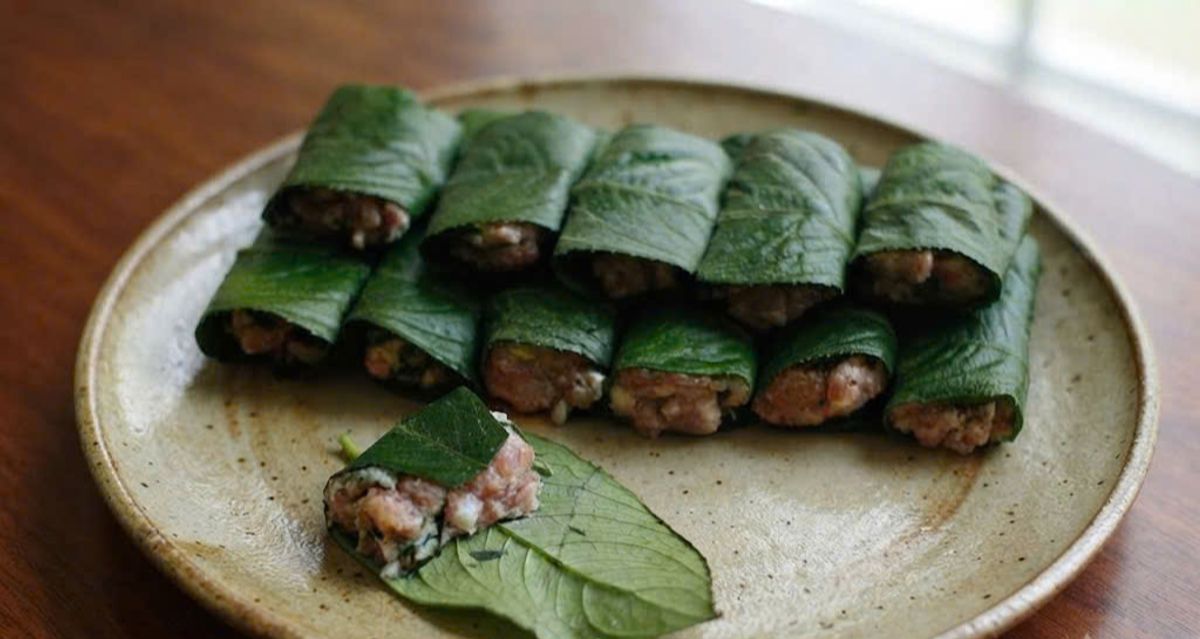
In daily meals, combining Blumea lanceolaria leaves with meat or fish not only enhances flavor but also serves as a way to utilize beneficial phytochemicals. While not a primary source of macronutrients, the value of these leaves lies in their essential oils and unique plant compounds, contributing to a diverse and healthy diet.