Enhancing Testing Capacity for Food Safety Management Across the Supply Chain
National seminar on ensuring testing quality, aiming to improve legal framework and food safety management across the farm-to-table supply chain.
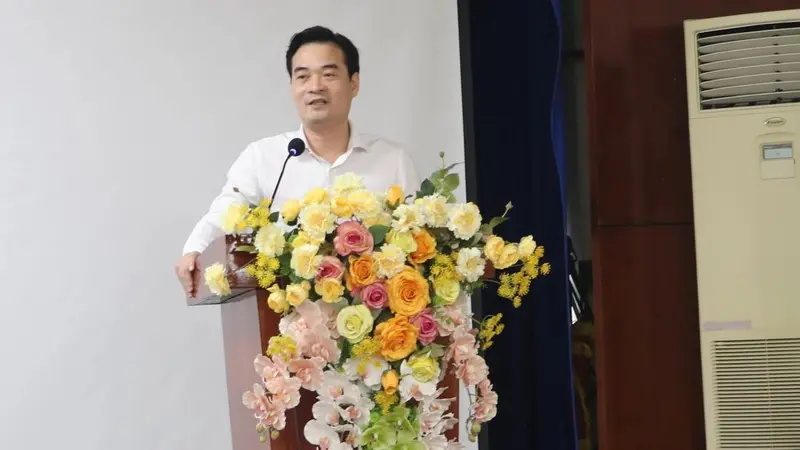
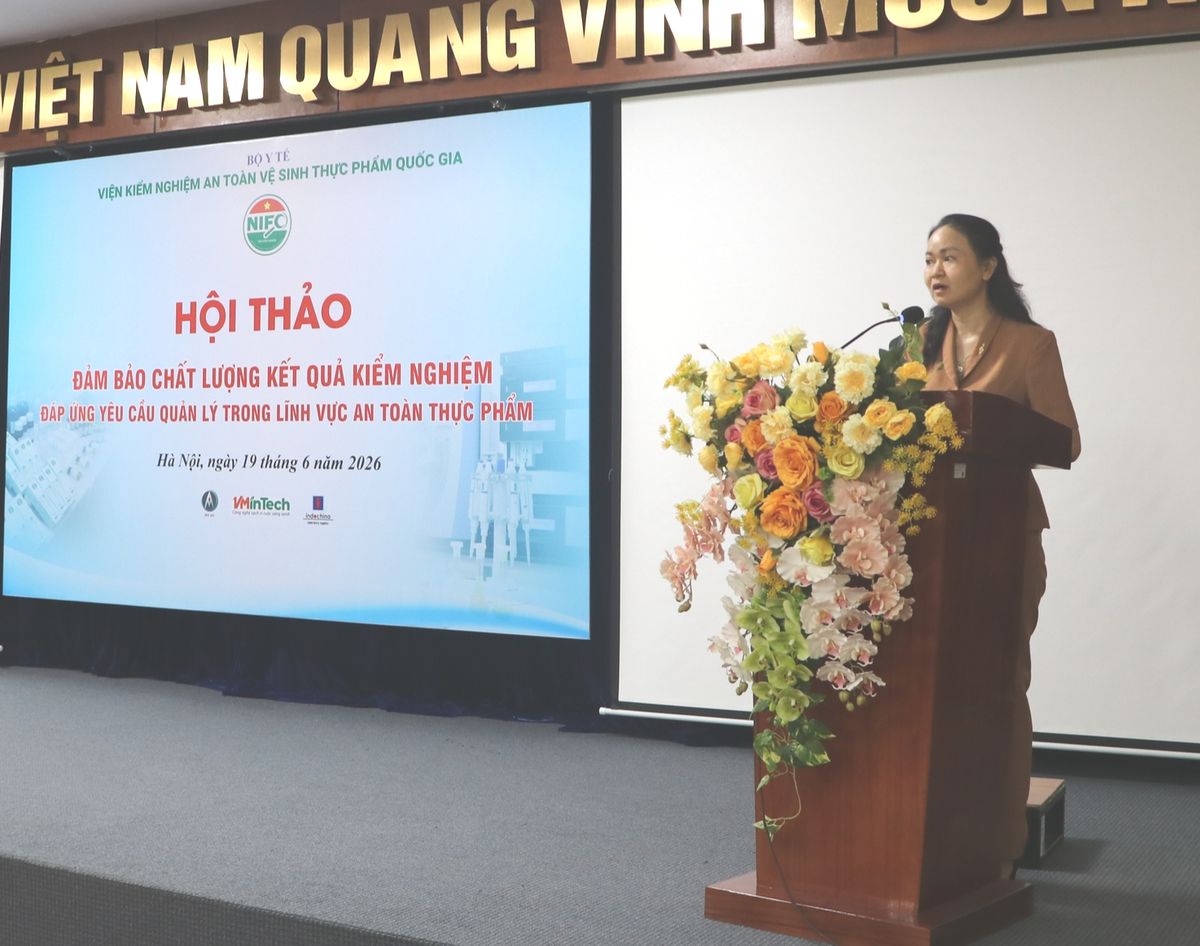
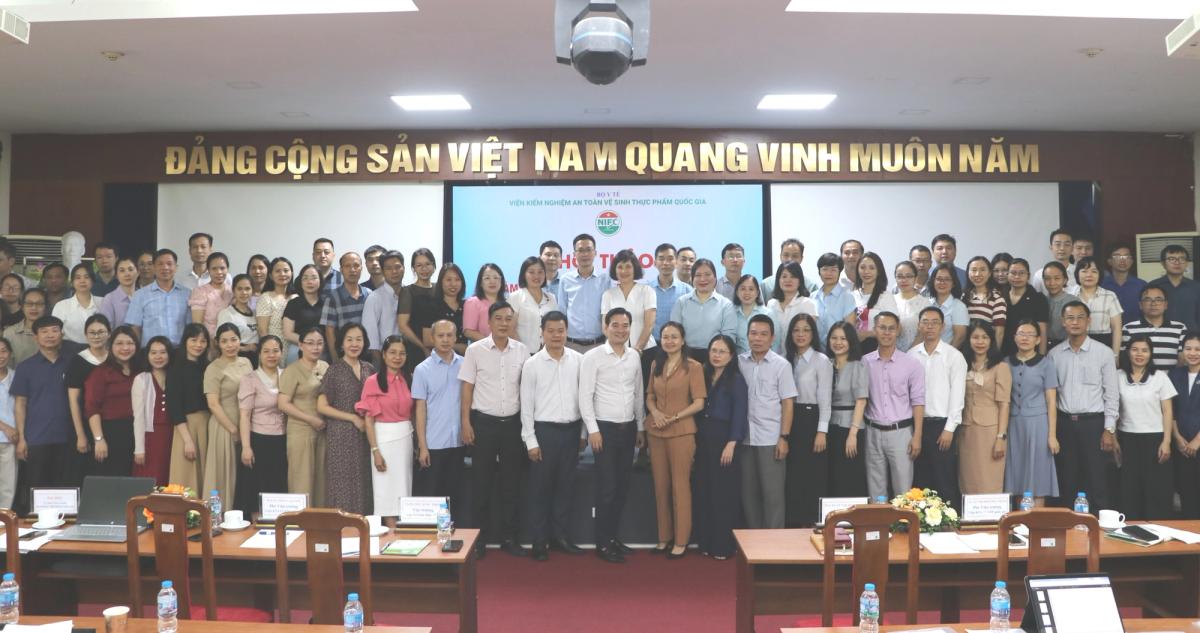
On June 19th, in Hanoi, the National Institute for Food Control (NIFC) organized an intensive seminar titled 'Ensuring Testing Result Quality to Meet Management Requirements in Food Safety'. The event drew participation from leaders and technical experts from 41 laboratories across the country.
Assoc. Prof. Dr. Le Thi Hong Hao, Director of the NIFC, stated that the seminar focused on optimizing the health sector's testing system, finalizing regulations on designating testing facilities for state management, and seeking solutions to enhance result quality and inter-unit coordination.
The Director reaffirmed the commitment to lead the sector, prioritizing training, scientific research, and professional knowledge transfer to strengthen national testing capacity, ensure food safety, and protect public health.
Completing Institutions, Shifting to Chain-Based Food Safety Management
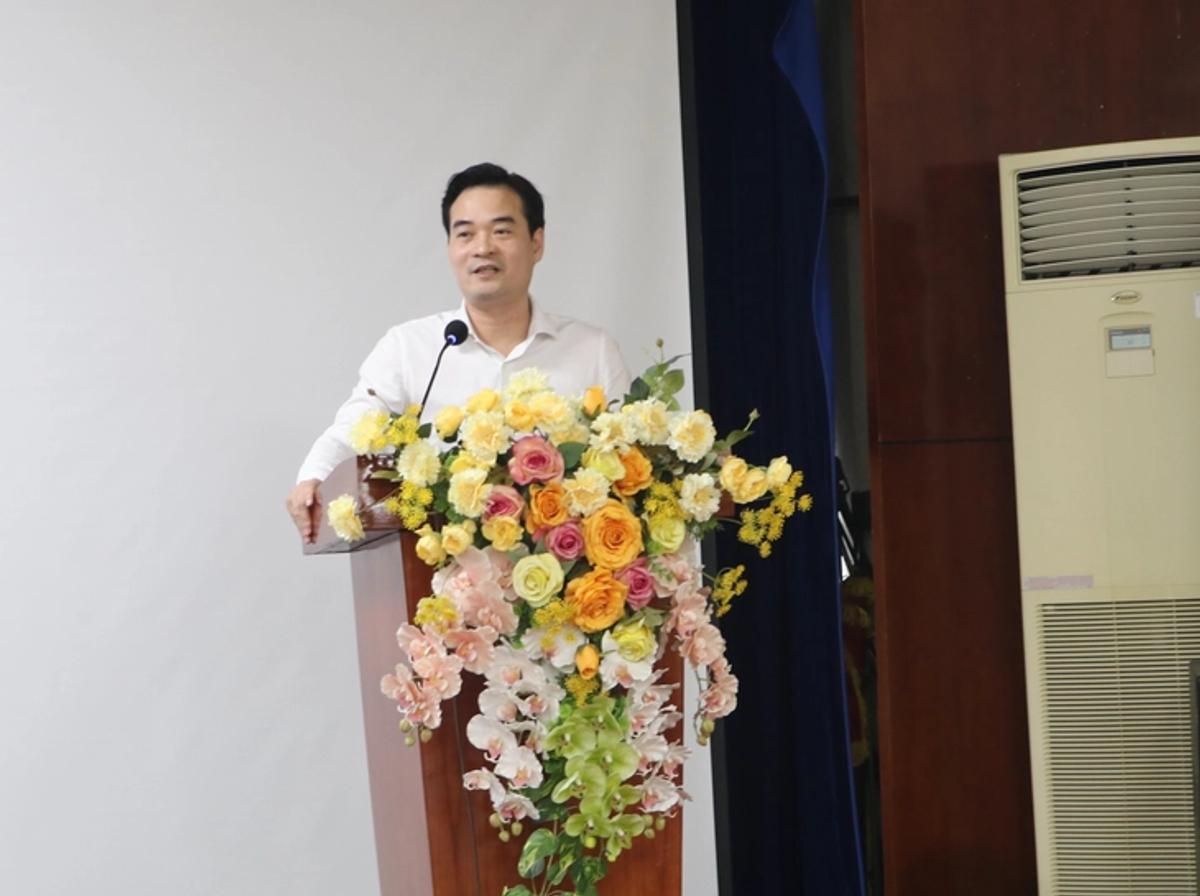
Dr. Chu Quoc Thinh, Director of the Vietnam Food Administration (VFA) - Ministry of Health, emphasized that enhancing testing and verification capacity is a key mandate under the Politburo's Resolution 72-NQ/TW.
According to the Director, the Ministry of Health is actively drafting the amended Law on Food Safety, expected to be submitted to the National Assembly in September 2026. A highlight of the draft is the shift from individual-stage control to comprehensive supply chain management, covering five major policy groups from digitalization to a unified management structure.
Notably, the draft provides a legal basis for testing facilities to proactively collect monitoring samples, elevating the system's role in market safety assurance.
Strengthening the Testing System for State Management
Implementing Decision 1658/QĐ-BYT on the health facility network planning for 2021-2030, the health sector is developing a national reference laboratory system, building new centers in Khanh Hoa and Ho Chi Minh City, and upgrading provincial testing centers to meet GLP standards.
Currently, there are 30 testing facilities under the Ministry of Health, 19 under the Ministry of Industry and Trade, and 43 under the agricultural and environmental sectors. The new project expects to add about 30 more units to optimize post-market inspection from farm to table.
Building an Early Warning System, Aiming for International Recognition
Experts emphasized the need to update modern testing methods, conduct research to establish new national technical regulations, and enhance the detection of prohibited substances. Furthermore, testing results must gain international recognition to facilitate exports for Vietnamese businesses.
The health sector is also promoting data integration to build a rapid alert system for food safety risks, supporting timely incident response. Enhanced surveillance and risk-based testing are considered vital solutions for regulators to proactively control food safety.
The updated list of testing facilities designated by the Ministry of Health currently includes 26 units serving state management requirements.
Tag: