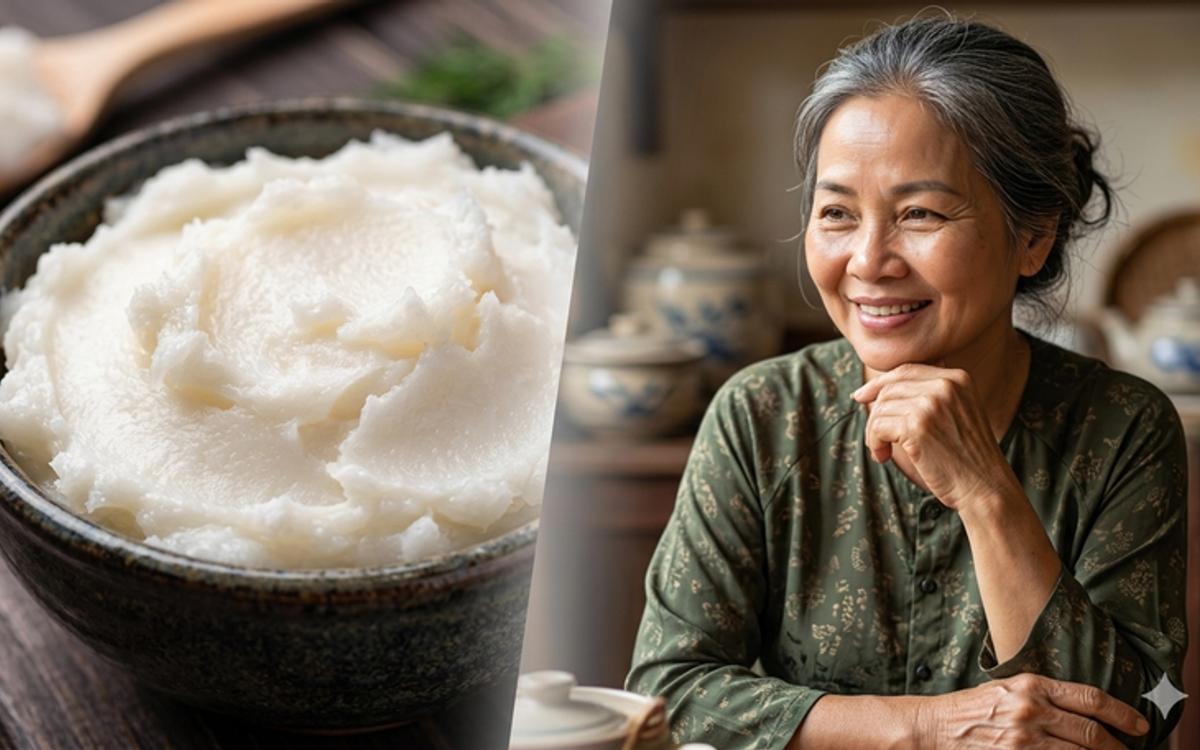
Should people with hypertension and dyslipidemia use lard?
A scientific analysis of lard consumption for cardiovascular patients and guidelines on maintaining safe intake levels in daily nutrition.
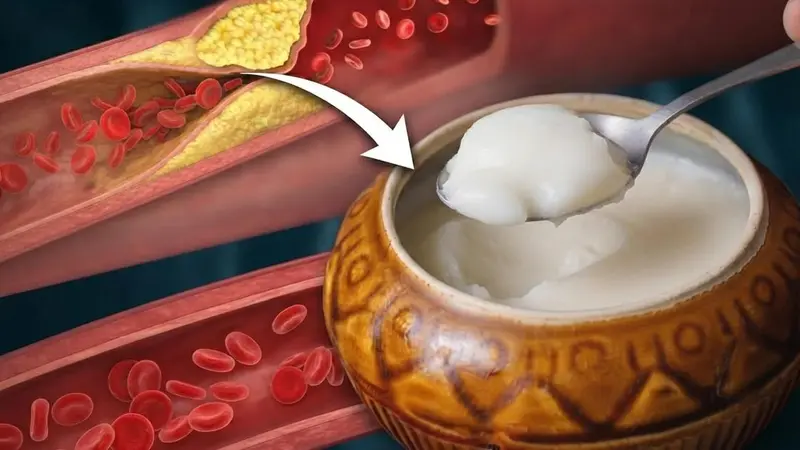
Lard is a common animal fat in culinary traditions. However, for those with dyslipidemia, cardiovascular diseases, or hypertension, consuming this ingredient requires special caution to effectively protect the cardiovascular system.

### 1. Fat composition in lard and health impacts
To create a safe menu, it is essential to understand the nutritional nature of lard:
- **Saturated Fat:** Lard contains approximately 40% saturated fat. Excess consumption of this fatty acid tends to increase LDL cholesterol (the 'bad' cholesterol) in the blood, promoting the formation of arterial plaques and placing pressure on the circulatory system.
- **Smoke Point:** The technical advantage of lard is its relatively high smoke point (190 – 200 degrees Celsius), meaning its chemical structure is less prone to alteration compared to some unstable refined vegetable oils during high-heat frying.
### 2. Controlling dosage and frequency
For patients with dyslipidemia or hypertension, if lard is needed for flavor, strict adherence to the following limits is required:
- **Frequency:** Use a maximum of 1 - 2 times per week, prioritizing vegetable oils or fats from fatty fish on other days.
- **Dosage:** Daily consumption should be kept to a minimum, under 5 - 10 grams (less than half a teaspoon).
### 3. Safe preparation techniques
Preparation methods are key in minimizing inflammatory and oxidative responses:
- **Limit Frying:** Avoid using lard for daily frying. Instead, prioritize healthy vegetable oils.
- **No Reusing Fat:** Heating fat repeatedly decomposes its structure, producing free radicals that damage blood vessel linings.
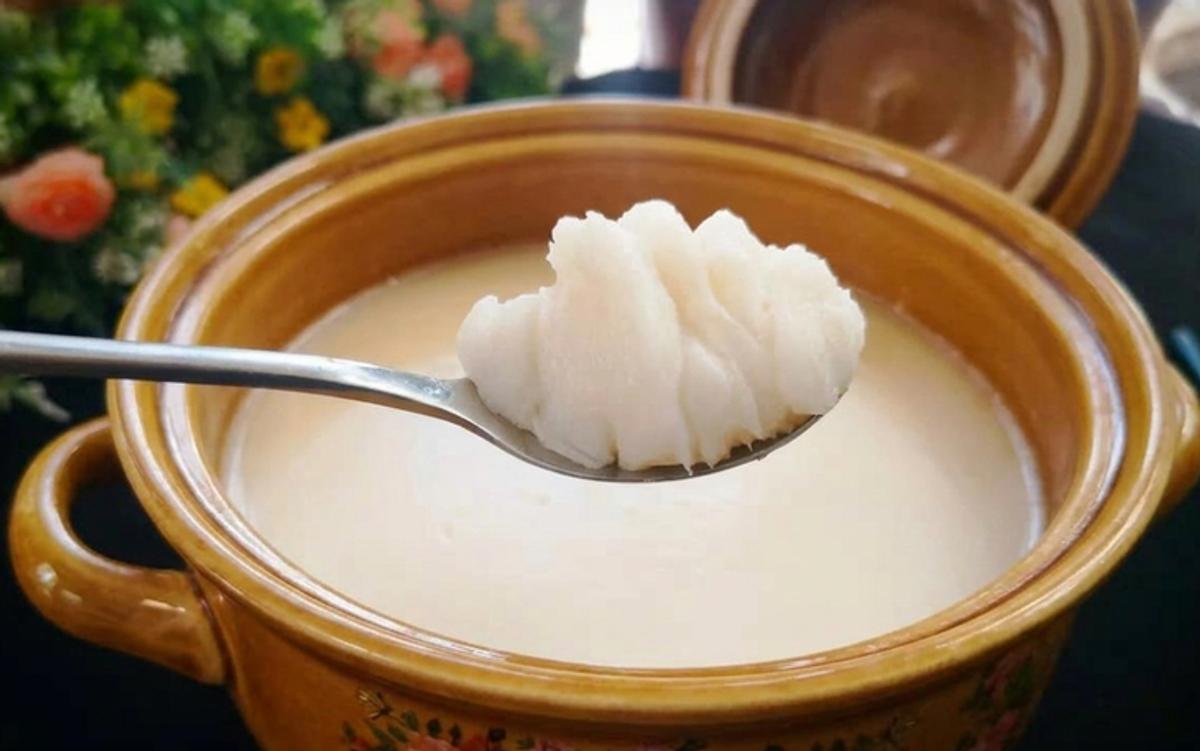
- **Home Processing:** When rendering lard, use low heat, remove cracklings thoroughly, and filter carefully through a sieve to eliminate dark residue before storage.