Essential considerations for parents regarding high-dose vitamin A supplementation for children
Detailed guide on preparation, monitoring, and safety precautions for parents during national high-dose vitamin A supplementation campaigns for children.
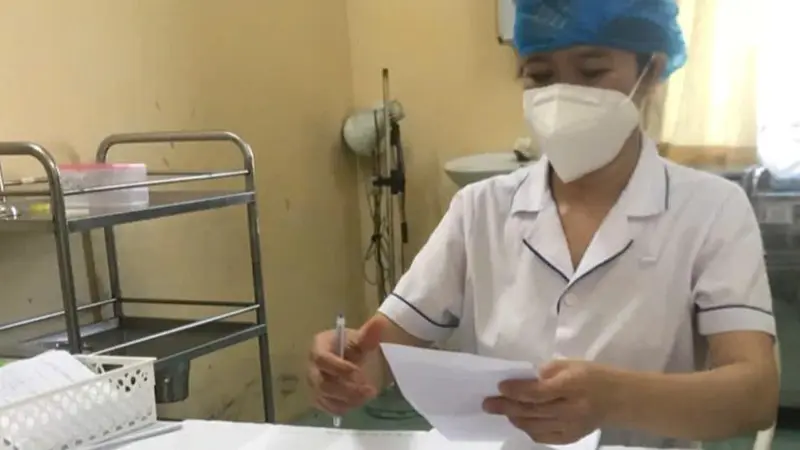
Vitamin A deficiency is a global issue, affecting nearly one-third of children under five in low- and middle-income countries. High-dose vitamin A capsules serve as a temporary storage reservoir, providing the necessary nutrients to protect children for 4 to 6 months with a single dose.
The significance of periodic supplementation: High-dose vitamin A supplementation has become an effective, low-cost national preventive health program recommended by the World Health Organization (WHO) for children aged 6 to 59 months. In Vietnam, the Ministry of Health and the National Institute of Nutrition organize bi-annual campaigns to eliminate xerophthalmia, prevent blindness, and reduce mortality rates due to immune deficiency in young children.
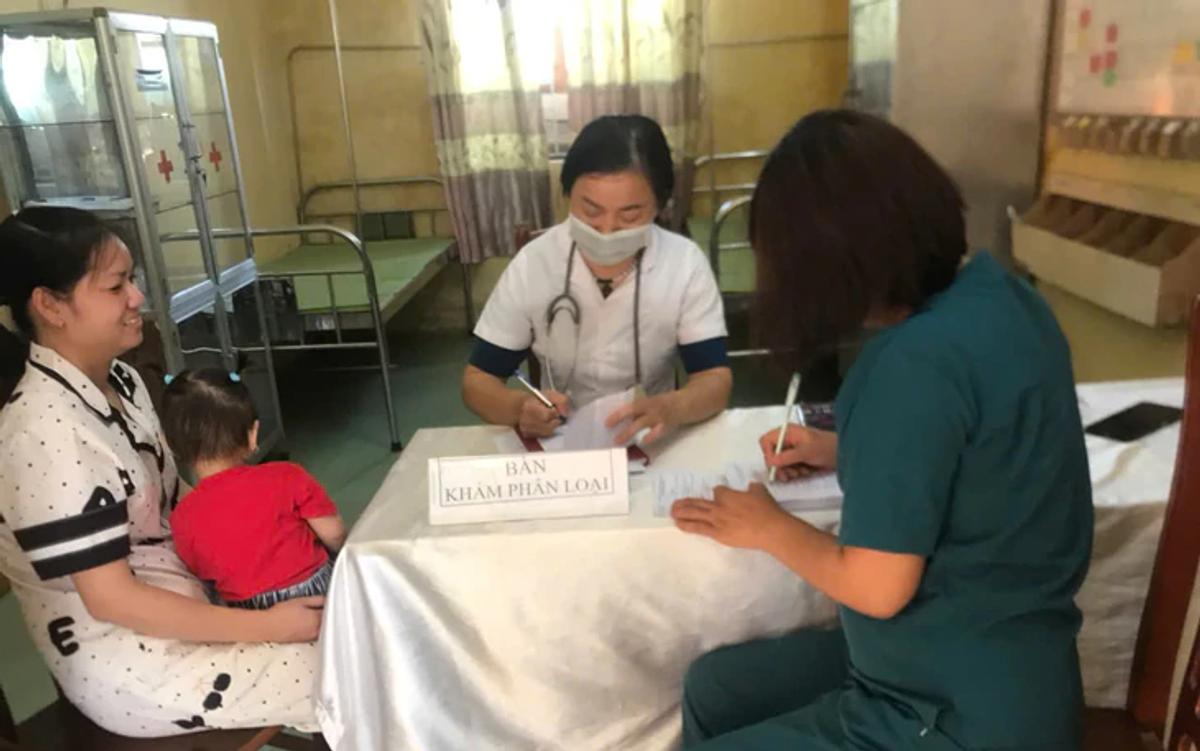
Preparation before the visit: Parents must verify vaccination records to ensure a minimum safe interval of 4 months between doses. It is recommended that children have a light meal 30-45 minutes before departure. If a child has a high fever, severe diarrhea, or acute pneumonia, parents must consult medical staff at the screening station before proceeding.

According to Assoc. Prof. Dr. Nguyen Thi Lam, former Deputy Director of the National Institute of Nutrition, vitamin A is a fat-soluble vitamin, necessitating strict adherence to prescribed dosages to avoid the risk of cumulative toxicity. Parents must never self-administer high-dose vitamin A at home.
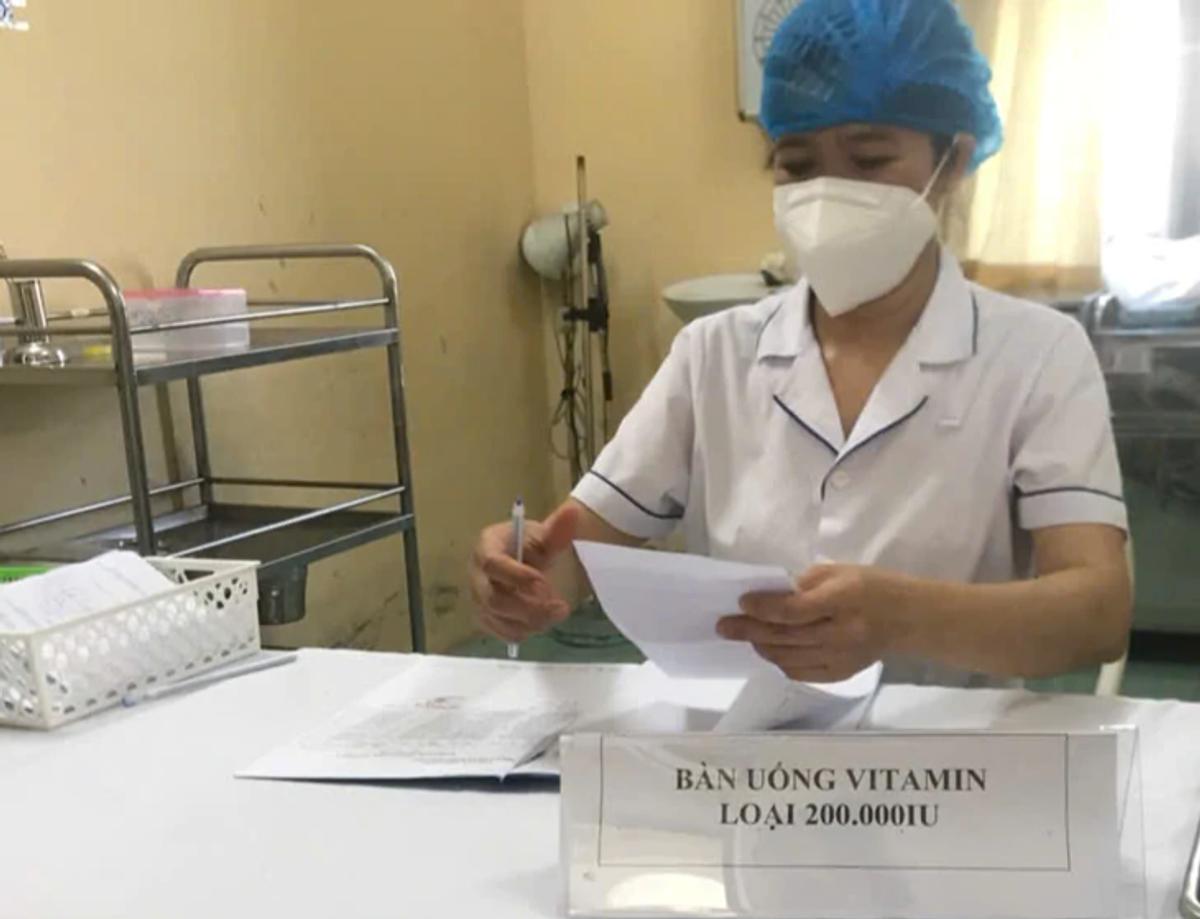
Administration and post-supplementation monitoring: At the clinic, children must not be held in a supine position while receiving the dose to prevent the risk of aspiration. After administration, children should be observed at the health station for at least 30 minutes. At home, parents should monitor them for 24-48 hours. Mild side effects such as minor vomiting or temporary bulging fontanelles usually resolve within a few days. However, if the child experiences persistent vomiting or seizures, they must be taken to the nearest medical facility immediately.