Parental Rights in School Meal Monitoring and School Institutional Accountability
An analysis of the legal framework regarding parental rights in monitoring school meals and the responsibilities of educational institutions for food safety under new government directives.
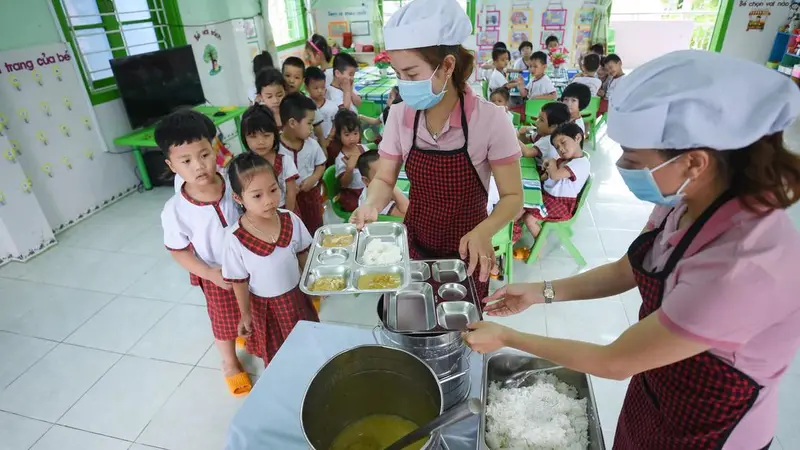
School meal monitoring should be viewed through the lens of children's rights. Dr. Lawyer Dang Van Cuong, Executive Committee Member of the Vietnam Association for the Protection of Children's Rights, stated that Article 14 of the 2016 Law on Children confirms that children have the right to the best possible health care. Therefore, a safe school meal is not a privilege, but a mandatory responsibility of the school.

The Law on Education and directives such as Decision 973/QD-TTg on the School Health Program for 2026-2035 emphasize a 100% target for educational institutions to ensure food safety. Notably, Directive 33/CT-TTg dated August 14, 2026, has formalized parental monitoring rights by requiring daily disclosure of food suppliers, ingredients, and documentation.
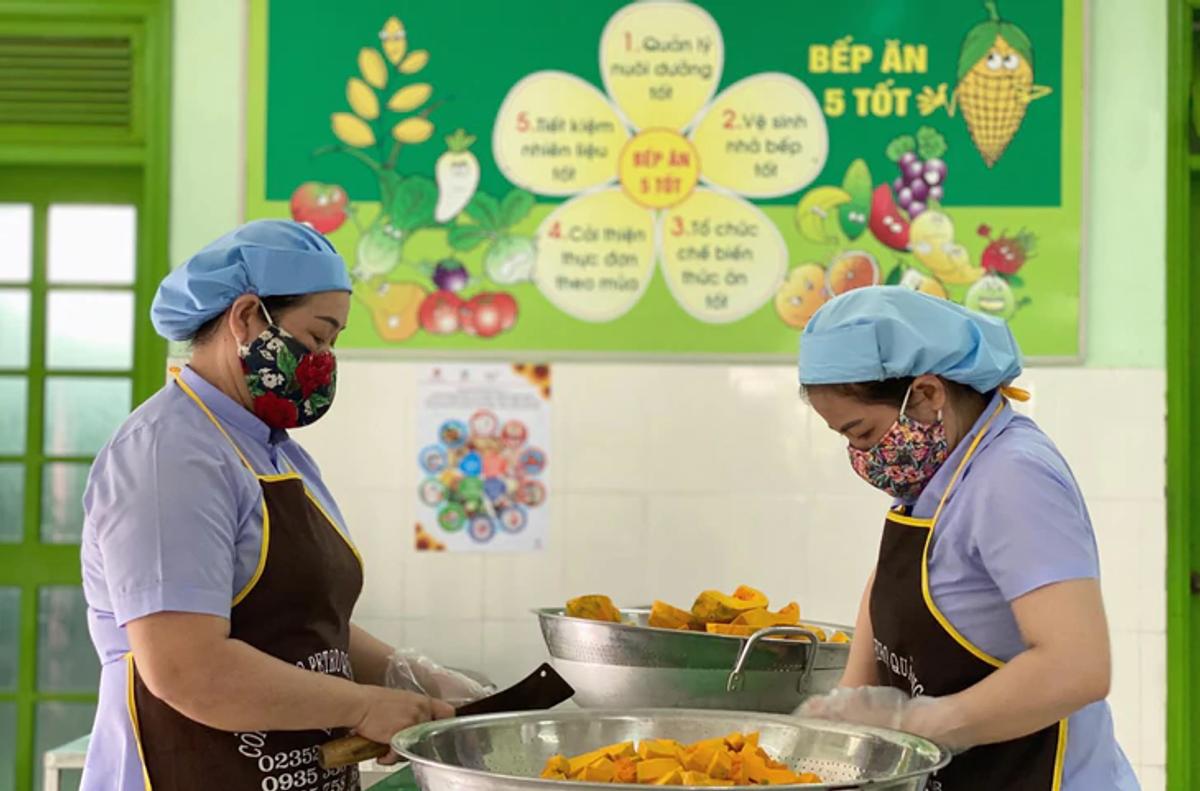
Dr. Cuong noted that monitoring rights must be exercised through official coordination mechanisms rather than spontaneous interference. The Parent Representative Board has the right to verify food sources and processing procedures, provided they adhere to the school's established protocols to avoid disrupting professional operations.
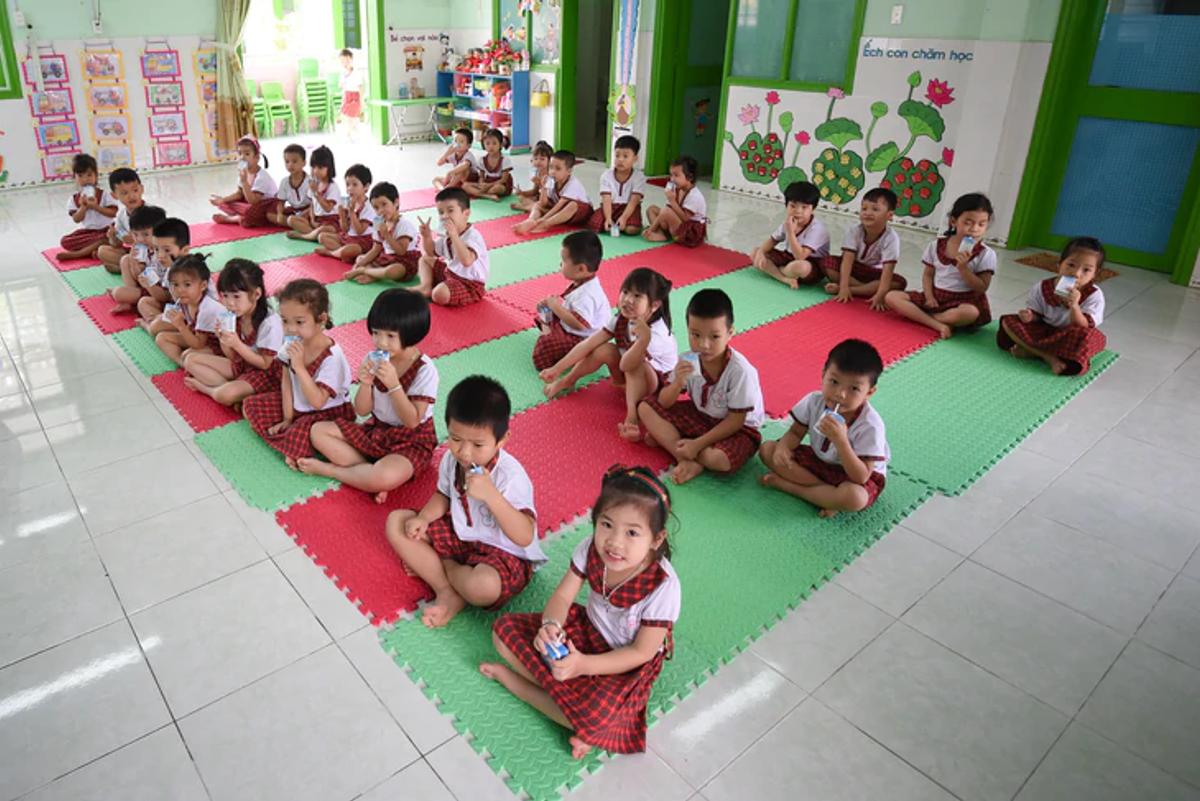
Regarding incident management, if irregularities are detected, parents should submit complaints in writing or via school applications. Directive 33/CT-TTg mandates that educational institutions must acknowledge and respond to feedback within 24 hours. In cases of suspected food poisoning, medical authorities must be alerted immediately to preserve samples for forensic investigation.

Legal accountability within the school food supply chain is assigned at every stage. Even when schools outsource meal services, they remain ultimately responsible for contracts, input monitoring, and acceptance inspections. Personalizing accountability for institutional leaders is a requirement to prevent systemic failures.
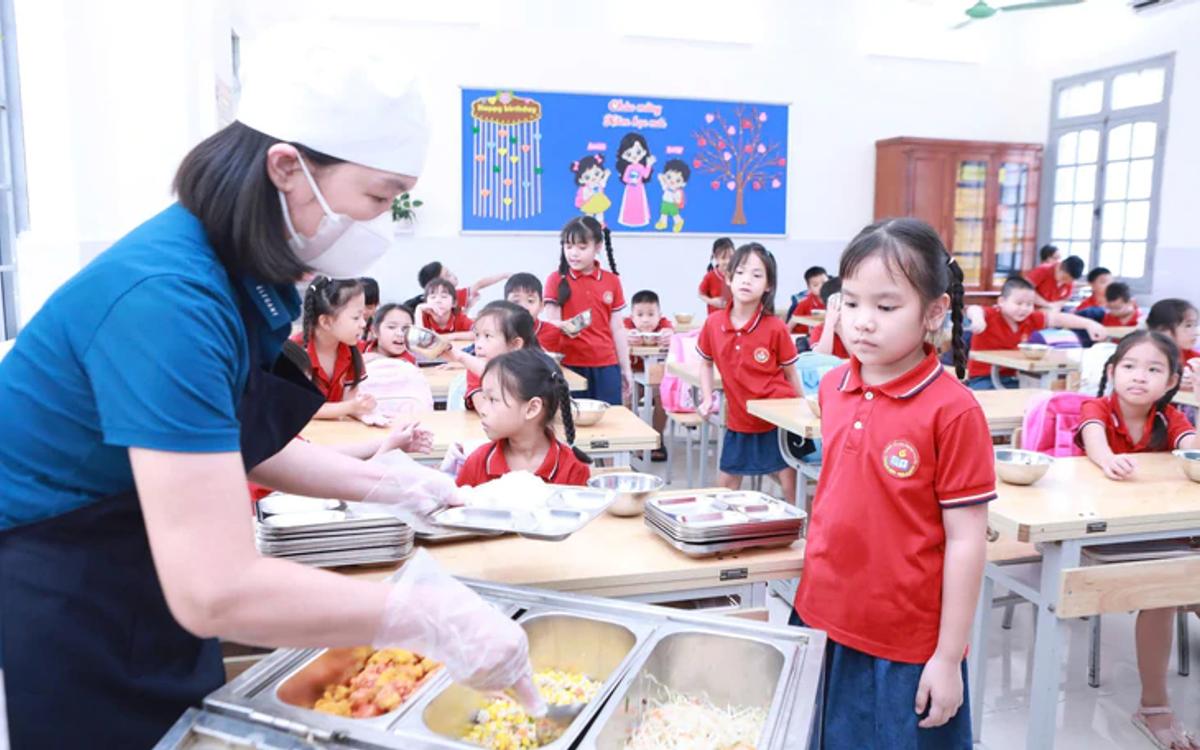
Many experts suggest that a School Nutrition Law, modeled after successful frameworks in countries like Japan, is necessary to fully institutionalize these policies. This would shift the focus from reactive inspections to proactive supply chain risk management, framing school meals as a core component of youth health protection policy.
