Tightening Chemical Regulation: A Key Pillar in the Amendment of the Food Safety Law
Experts emphasize the need to control chemical supplies and shift management mindsets from the root to prevent contaminated food, rather than merely addressing consequences.
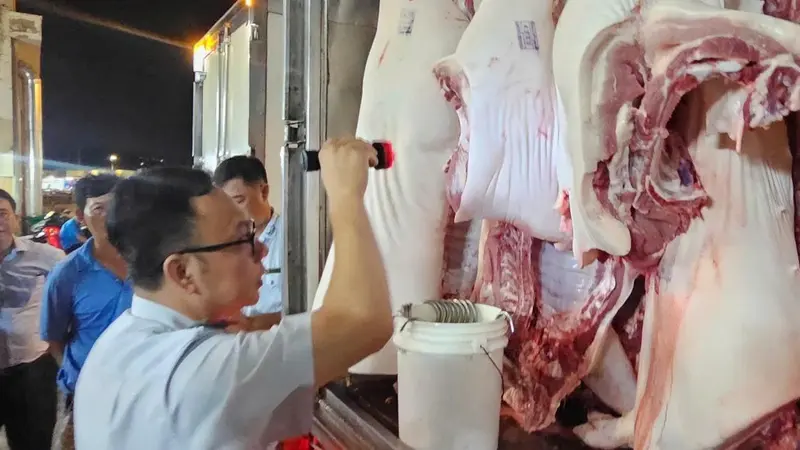
At the discussion 'Consulting on amending the Food Safety Law: Blocking dirty food at the root' held by Phap Luat TP.HCM Newspaper on May 29, delegates focused on the necessity of fundamentally changing food management processes in Vietnam. The urgent issue is the ease of purchasing and trading chemicals, which creates significant loopholes for toxic food processing.
A representative from Phan Dung Company, a supplier of vegetables to supermarkets, warned that 'dirty food can come from everywhere.' According to this representative, profit pressure causes producers to disregard regulations on pesticide isolation periods, creating a serious risk of chemical residues before products hit the market.

Dr. Vu Quynh Hoa, Deputy Head of Medical Professional Division at Ho Chi Minh City Department of Health, proposed that the new law should shift from reactive management to proactive risk prevention. Regulations need to tighten control not only at the production level but also in collective kitchens and schools to minimize food poisoning.
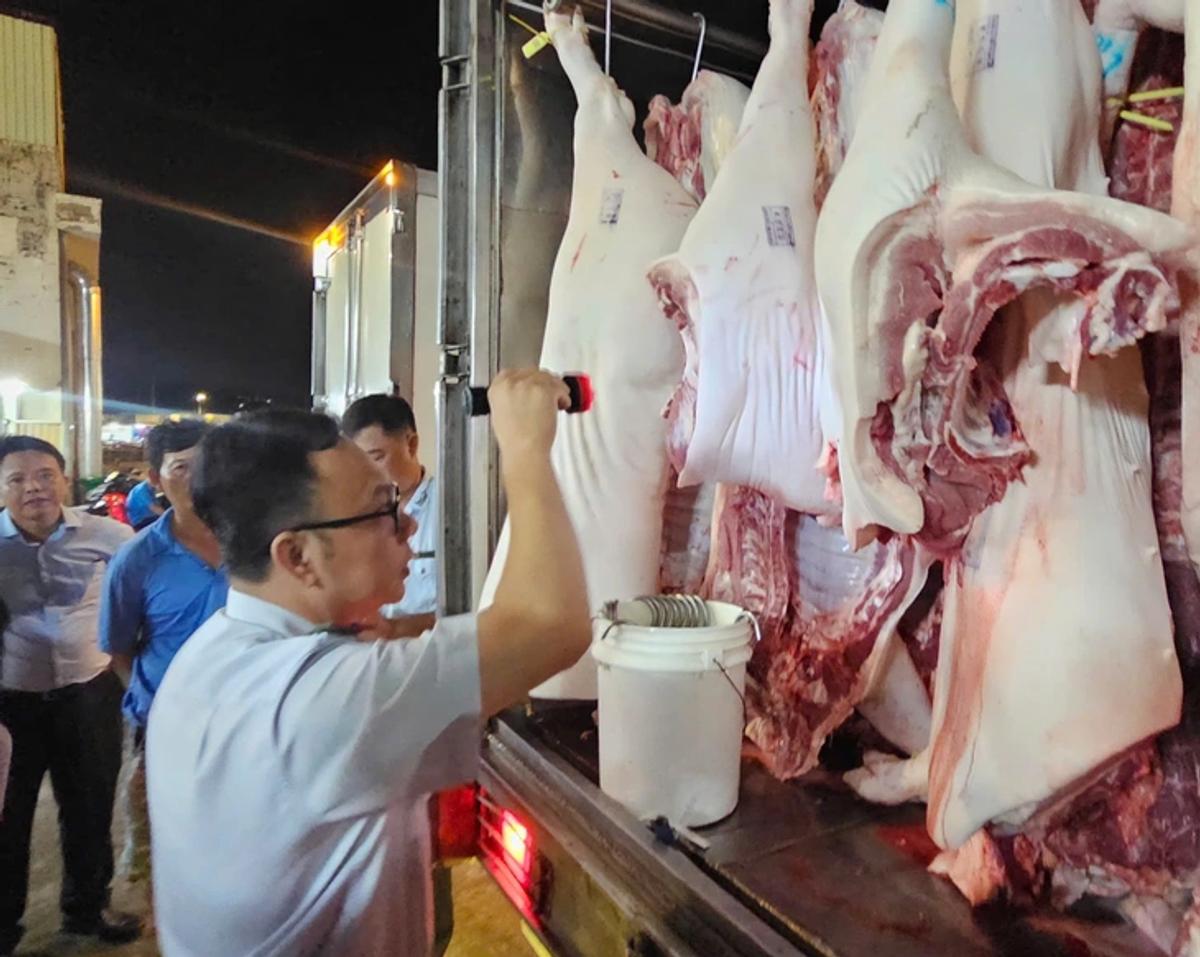
Ms. Pham Khanh Phong Lan, Director of the Ho Chi Minh City Food Safety Department, candidly remarked that chemical management in Vietnam is still too loose. She emphasized: 'We cannot continue with 'chasing the chicken' management. The new law must ensure harmony while being strict enough to clearly distinguish between legitimate businesses and opportunistic violators.'
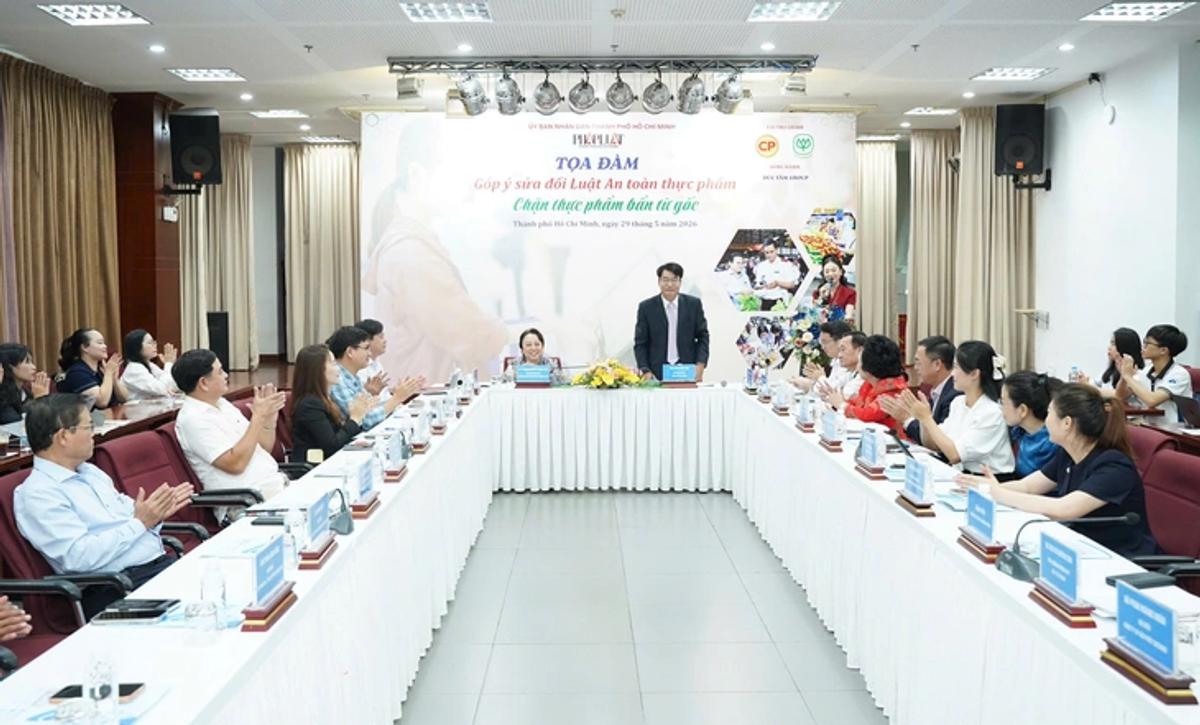
Lawyer Le Kien Luong from Thien Huong Law Firm analyzed that the current maximum administrative fine (100 million VND for individuals, 200 million VND for organizations) is not deterrent enough. Meanwhile, criminal prosecution remains difficult due to a lack of specific regulations to prove intentional violations.
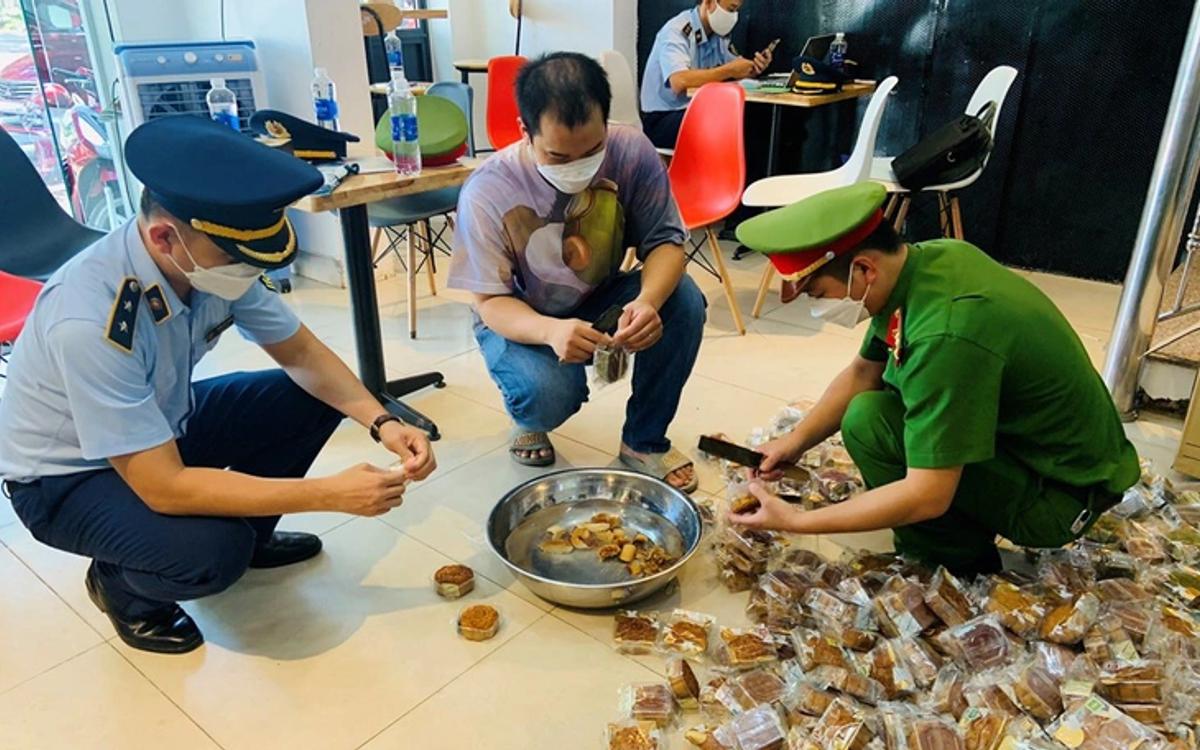
Mr. Tran Phu Cuong, Head of the Sub-Department of Animal Husbandry and Veterinary Medicine in Ho Chi Minh City, also suggested reviewing unreasonable penalty levels. For instance, the current administrative fine for illegal slaughter is too low, disproportionate to the volume of violated products, leading to a climate of regulatory defiance.

The interdisciplinary inspection results from April 15 to May 15 reveal a challenging landscape: 5,749 violating establishments were detected out of more than 62,000 inspected, with total fines amounting to 22.4 billion VND.
Tag: