Using Protein Powder for People Over 70: Benefits and Essential Considerations
Discover the role of protein in maintaining muscle mass after 70 and important considerations when choosing dietary supplements for the elderly.

After the age of 70, maintaining muscle mass and strength is essential to reduce the risk of falls and ensure independent mobility. Along with daily meals, many consider using protein powder to meet the body's protein requirements. Supplementation can be effective, provided there is a clear understanding of the actual needs and the digestive health of the elderly.
### 1. The Role of Protein for Muscles Over 70
At this age, muscle loss directly affects strength, agility, and balance. Older adults need a high-protein diet to prevent sarcopenia—a condition involving the decline of muscle mass and strength due to aging. Specifically, for those recovering from illness or hospitalization, protein plays a pivotal role in muscle tissue repair, especially as the body's ability to process protein naturally declines compared to younger years.
### 2. Daily Protein Requirements for Over 70s
To prevent muscle atrophy, experts recommend that people over 70 consume at least 1g of protein per kg of body weight daily. A 2017 survey found that nearly one-third of the elderly do not meet this threshold due to reduced appetite, chewing difficulties, or challenges in meal preparation.

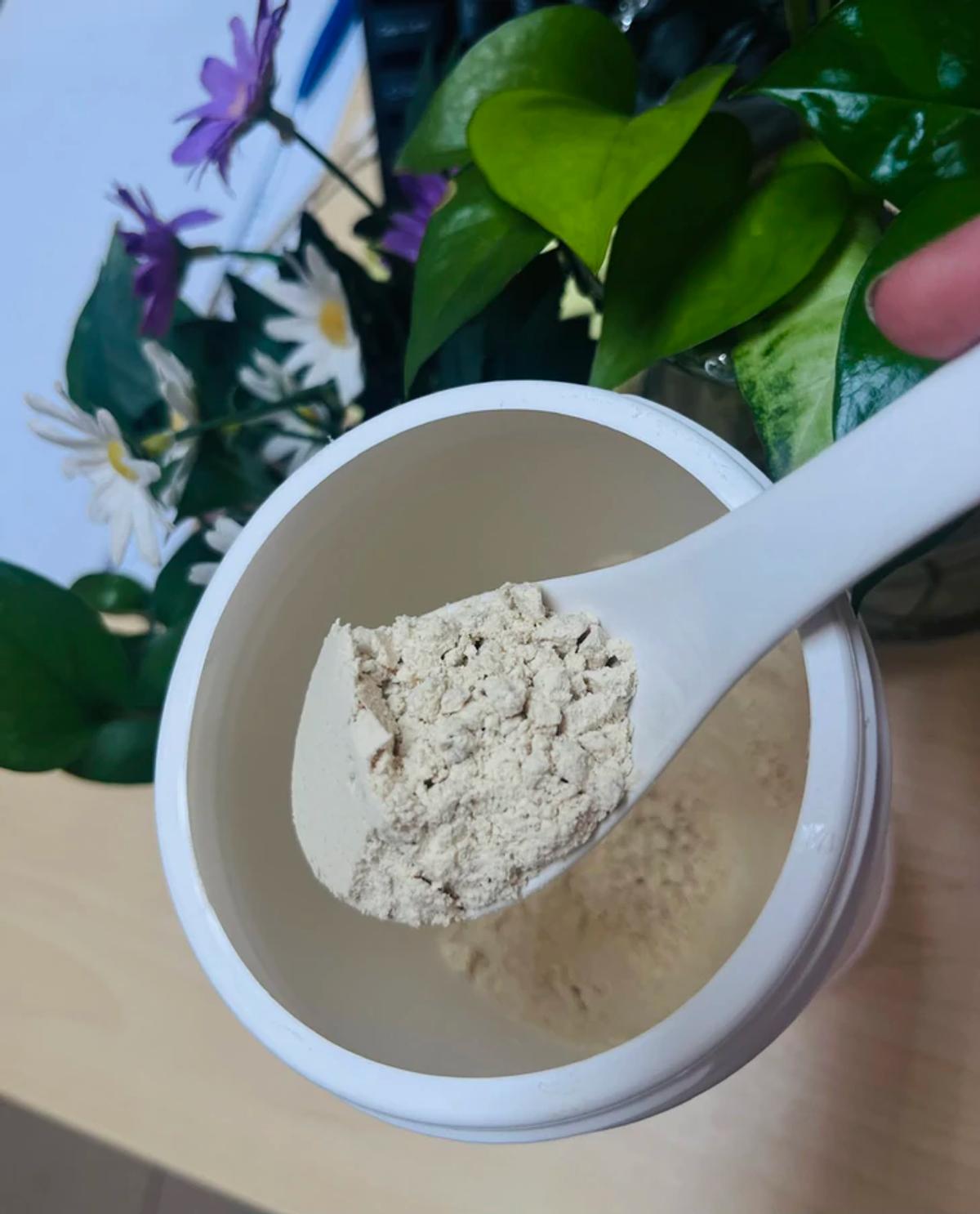
When protein intake is insufficient, combined with a sedentary lifestyle, muscle strength gradually declines. If traditional meals do not meet the requirements, adding protein powder to smoothies, porridge, or soups is a convenient solution.
### 3. Important Considerations When Choosing Protein Powder
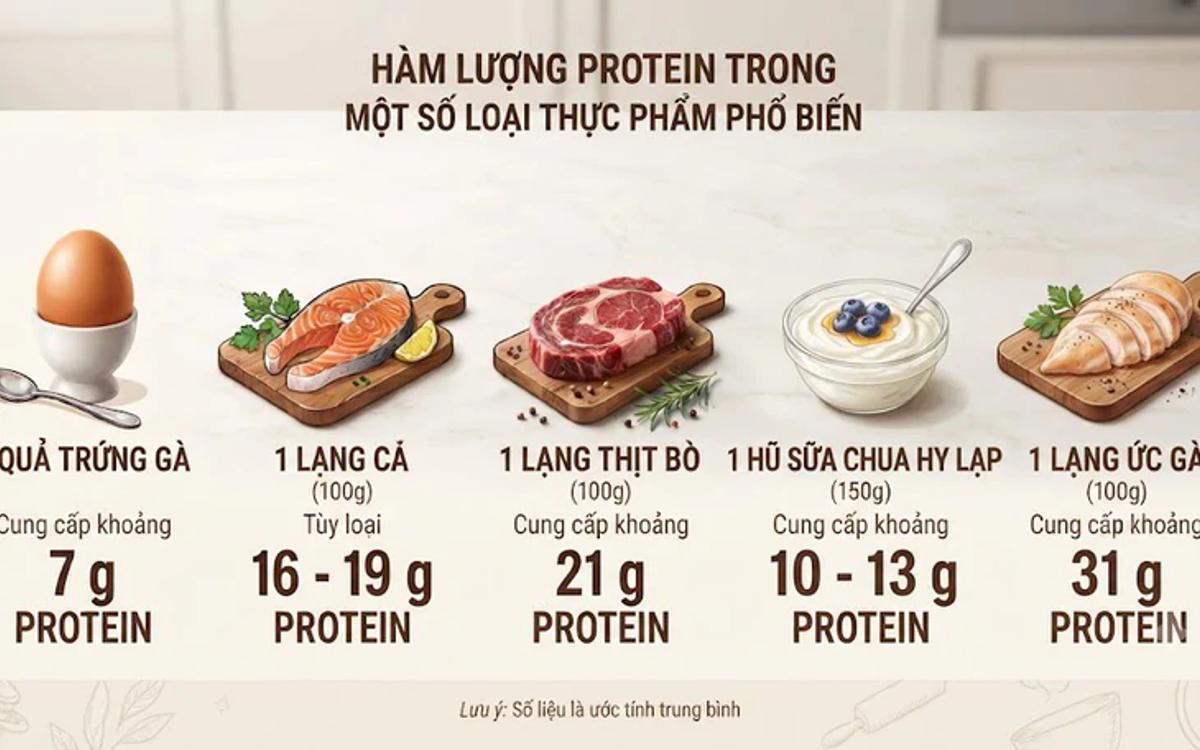
Balancing natural protein sources from lean meat, fish, eggs, and legumes remains the priority. When choosing protein powder, one must be cautious of artificial ingredients. A 2020 study from the US National Library of Medicine warns that synthetic emulsifiers and thickeners can alter the gut microbiota of older adults.
Additionally, caution is advised with dairy proteins like whey and casein, which may cause discomfort for those with lactose intolerance or sensitive stomachs. It is recommended to prioritize minimally processed, plant-based products to ensure digestive safety.