The Rise of Zero-Calorie Beverages: A New Trend or a Health Trap?
Explore the global wave of zero-calorie beverages and essential expert insights into the health impacts of artificial sweeteners.
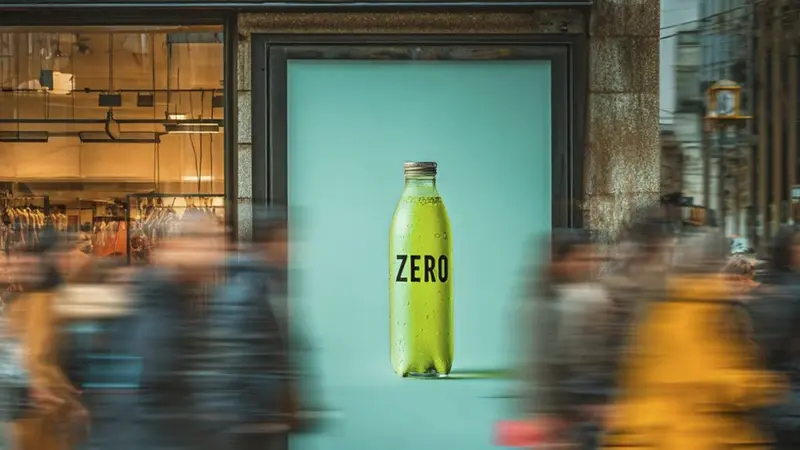
The global beverage industry is experiencing a significant shift toward functional drinks. Modern consumers are moving beyond simple calorie reduction, actively seeking products that provide health and performance benefits without adding extra calories. This demand has spurred the development of beverages fortified with electrolytes, vitamins, caffeine, and essential minerals.
According to Fortune Business Insights, the global diet beverage market is projected to reach $4.41 billion in 2025, climbing to $7.29 billion by 2034 with a Compound Annual Growth Rate (CAGR) of 5.76%. North America currently leads the market with a 41.50% share. Meanwhile, the Asia-Pacific region shows significant growth potential driven by its young population, rapid urbanization, and rising concerns regarding public health issues like obesity and diabetes.
In South Korea, this transformation is evident. Data from Emart shows that in 2025, total beer sales decreased by 6.4%, while sales of light, low-calorie beers surged by 32%, and non-alcoholic beers rose by 21%. Industry giants like Lotte Chilsung, OB Beer, and HiteJinro have rapidly adapted by launching products such as "Cloud Crush," "Cass 0.0," and "Terra Light" to meet the evolving demands of consumers.
In Vietnam, this trend is also gaining momentum. The National Assembly's passage of a 8-10% special consumption tax on sugary drinks (effective from 2027) has encouraged companies like Coca-Cola, PepsiCo, and Suntory PepsiCo to expand their "Zero Sugar" portfolios, including brands like Sprite Zero, 7Up Free, Revive Zero Calo, and Heineken 0.0.
However, experts warn that zero-calorie drinks are not entirely harmless. According to Dr. Bui Tuong Anh from the Hanoi Medical University Hospital, regular consumption of artificial sweeteners like aspartame, sucralose, or acesulfame-K can lead to metabolic disorders. Studies published in the journal Diabetes Care indicate that daily consumers of zero-calorie soft drinks have an 8-13% higher risk of developing Type 2 diabetes. Furthermore, the low pH and acids like citric and phosphoric acid in these drinks can significantly damage tooth enamel over time.
Nutritional experts advise that while zero-calorie beverages may serve as a temporary solution to reduce sugar intake, they should not become a daily habit. Filtered water, light teas, and fresh, unsweetened fruit juices remain the top choices for ensuring long-term health.
Tag: