Emerging Culinary Trends Impacting Vietnam's F&B Industry
Explore the shift in consumer eating habits and its impact on Vietnam's F&B market during the 2025-2026 period.
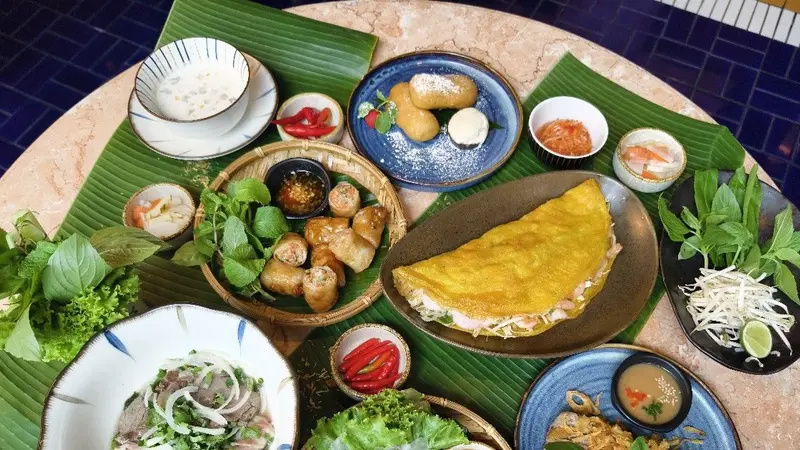
Recent global surveys indicate that consumers are shifting from eating for satiety to eating with purpose, focusing on physical health improvement and mental stability. Culinary habits have now become an integral part of self-care strategies.
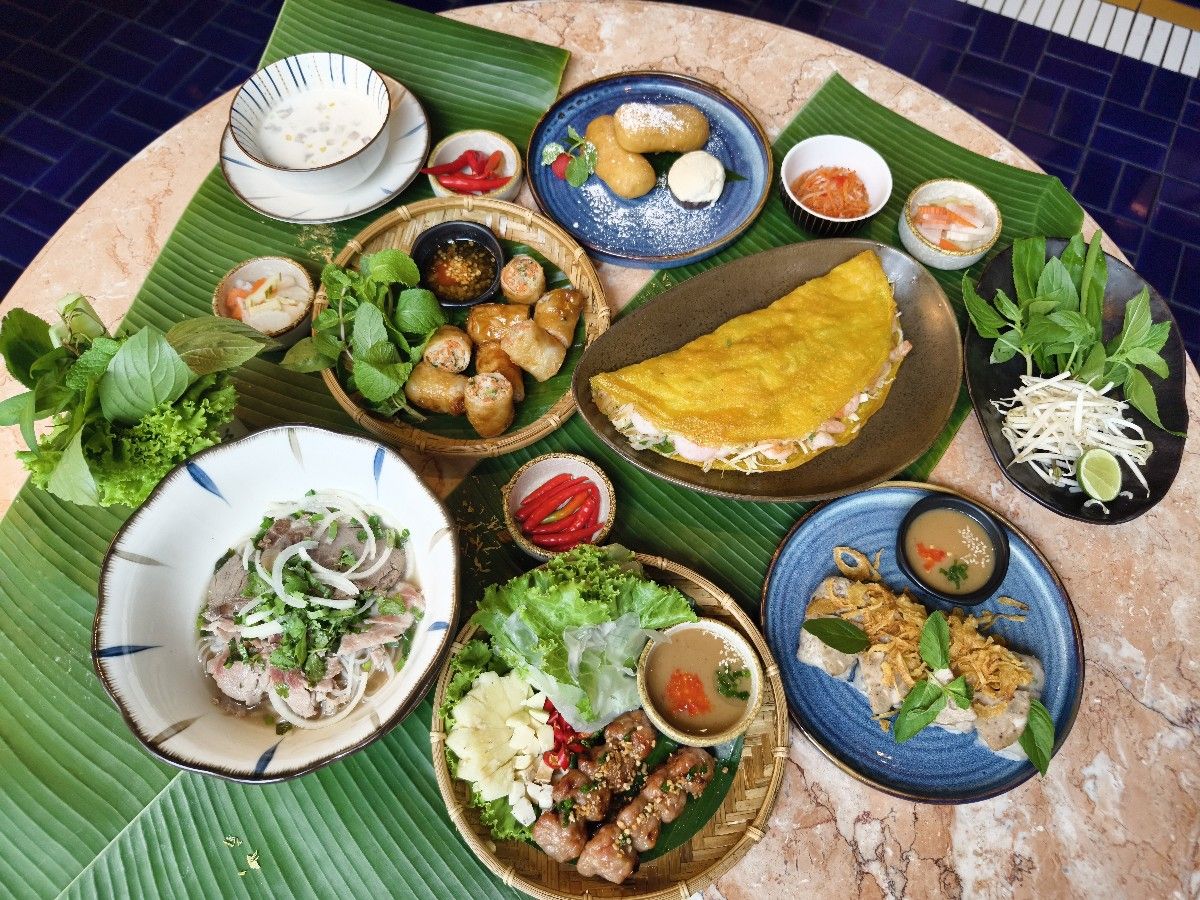
According to data from market research firm Circana, in 2025, 51% of Gen Z actively increased their protein intake, while products labeled as high-fiber recorded a 32% growth. In India, this trend is also evident, with 82% of young people considering protein an essential dietary component, according to Mediabrief.
In the market, this shift is reflected in the prevalence of protein-rich, low-sugar, and digestive-supportive products. Salad bars, cold-pressed juices, and 'healthy' food models are growing rapidly in major cities, compelling food chains to continuously adjust menus to meet these demands.
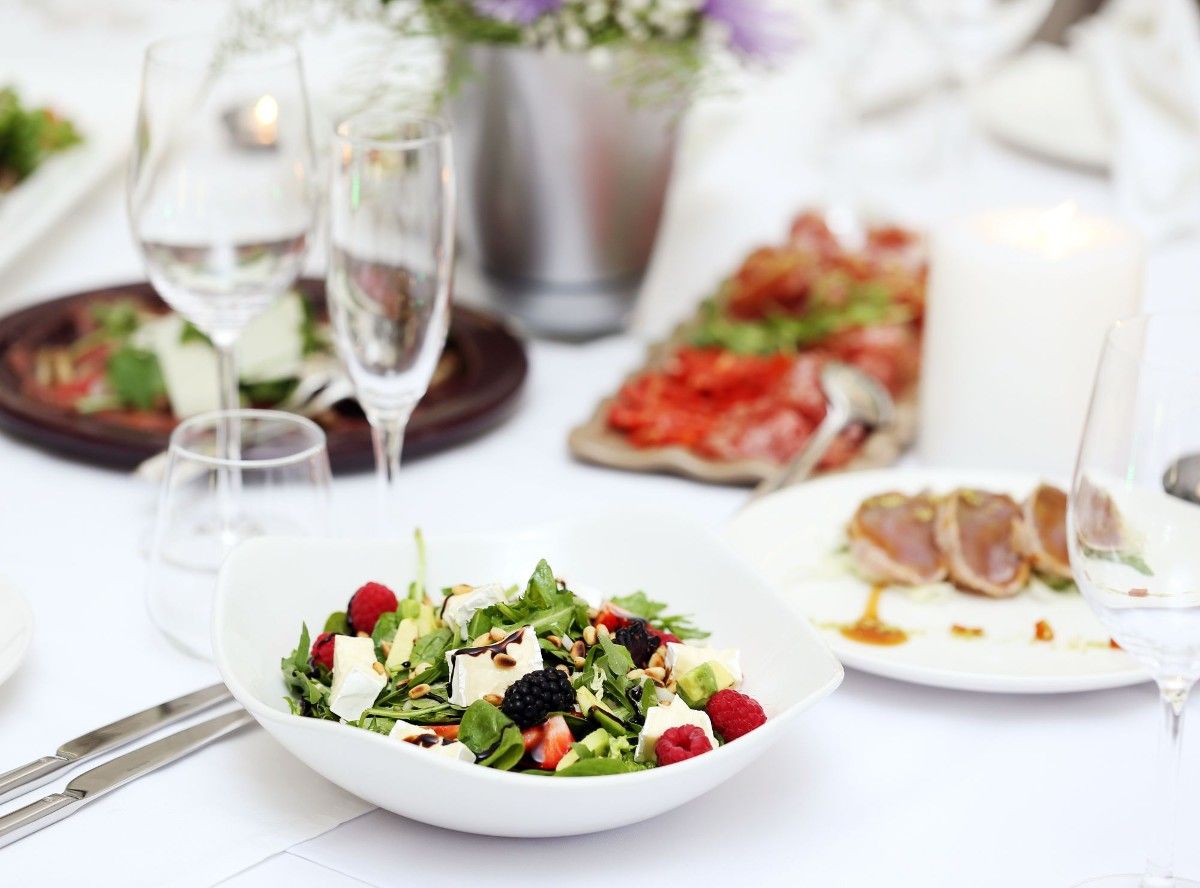
Parallel to this, consumers are increasingly prioritizing natural, minimally processed foods with simple ingredients. In the US and Europe, companies are promoting 'clean label' products—healthy items free from additives. Supermarkets are also expanding organic food sections to keep up with smart consumption needs.
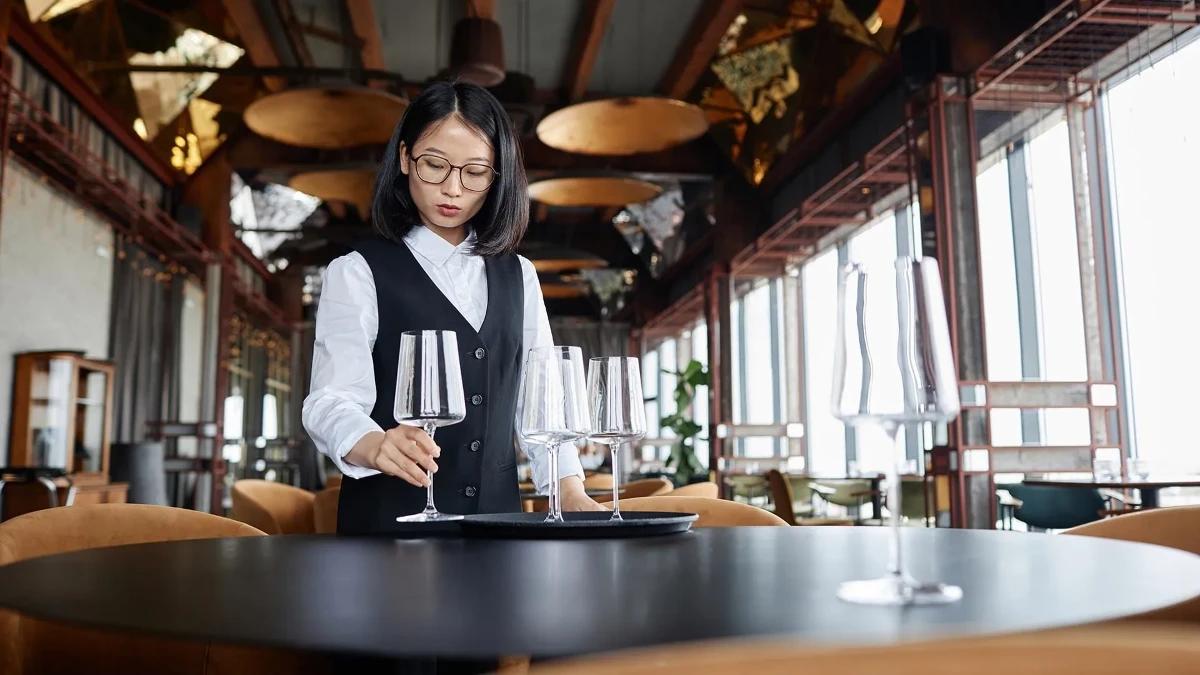
Young consumers now link eating habits with sustainable values such as the environment and transparency. PwC's 'Voice of the Chinese Consumer' report projects that by 2026, 34% of consumers will prioritize high nutritional value, while 43% will choose products with eco-friendly packaging.
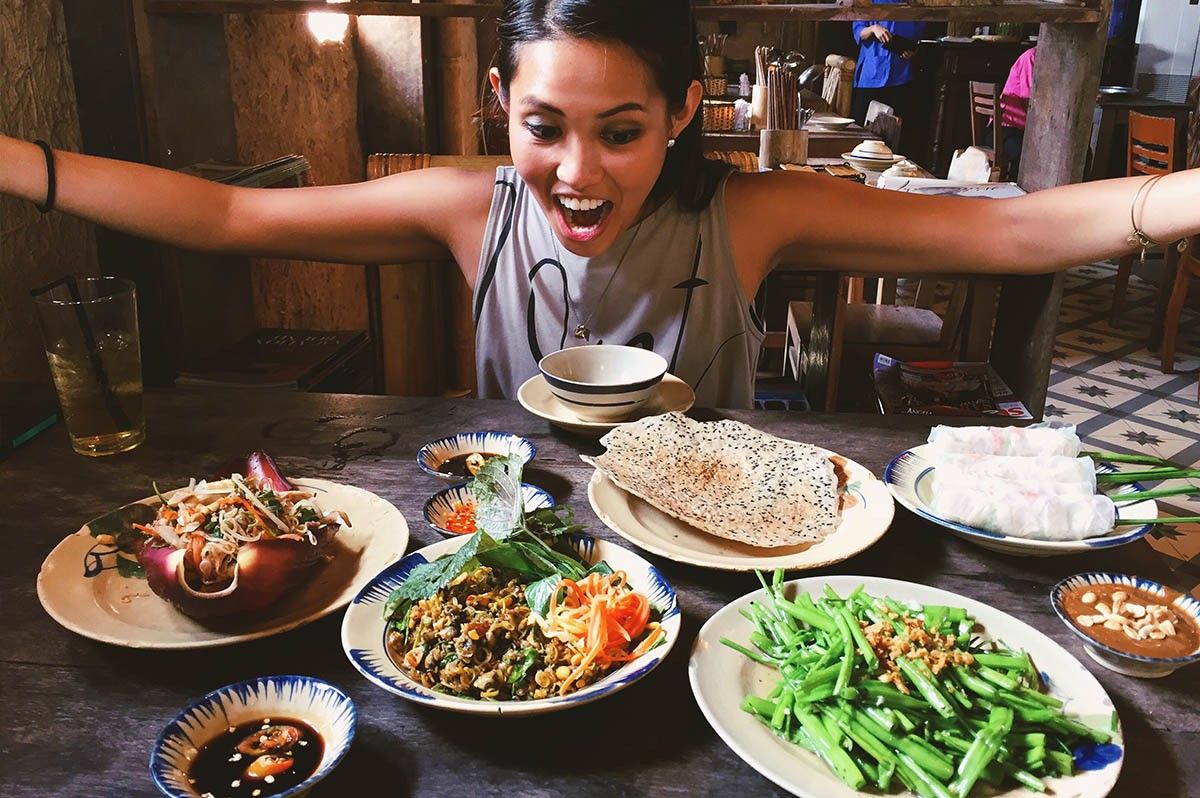
According to Marriott International, the F&B industry is moving towards accessible luxury experiences. A survey of 270 hotels across Asia-Pacific shows that 59% of customers prefer casual dining over traditional fine dining. Petr Raba, Marriott's VP of F&B, emphasizes that modern diners seek emotional connection and authentic experiences.
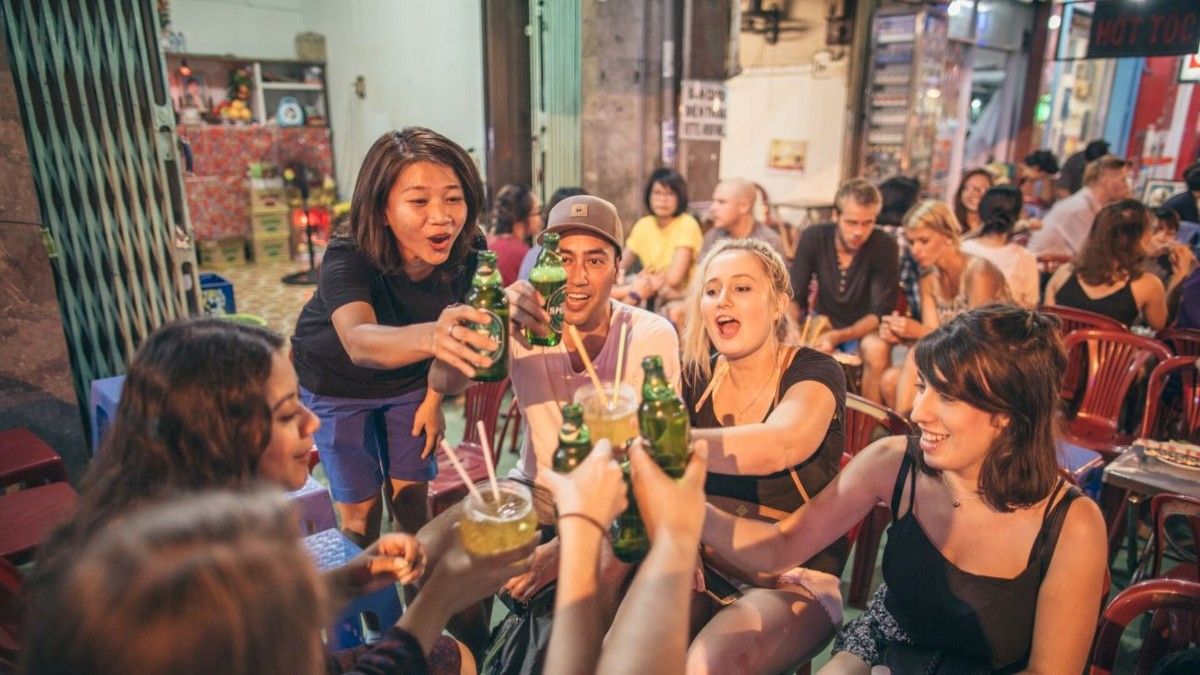
Additionally, Vietnam was recently honored as Asia's Leading Culinary Destination 2025 at the 6th World Culinary Awards, affirming the country's status on the regional gastronomic map.
According to a report by iPOS.vn and Nestlé Professional released in early April 2025, Vietnam's F&B market is transitioning from 'hot' growth to substantial development. Well-managed business models with effective cost control are gradually replacing spontaneous entrepreneurial ventures.
The 2025-2026 period marks a turning point where regulatory compliance has become a survival requirement. iPOS.vn representatives view this as a 'golden ticket' for businesses to enter a sustainable arena, minimizing legal risks and establishing a foundation for long-term growth.
For 2026, trends such as 'garden grilling' and Japanese culinary waves are expected to prevail. In the beverage sector, multi-functional coffee shop models—combining workspaces with community connection—will lead the industry.
Finally, Vietnamese consumers are becoming more selective with their spending. Diners willing to pay 35,000 VND or more for beverages account for 57.58% of the market share. Following various safety scandals, transparency in traceability and clean, professional spaces have become key benchmarks for building consumer trust.
Tag: