The Global Surge of Discounted Food Consumption: A Strategy for Savings and Waste Reduction
Explore the rising trend of consuming 'near-expiry' and end-of-day discounted food as a global strategy for saving money and reducing food waste in Canada, Australia, China, and South Korea.
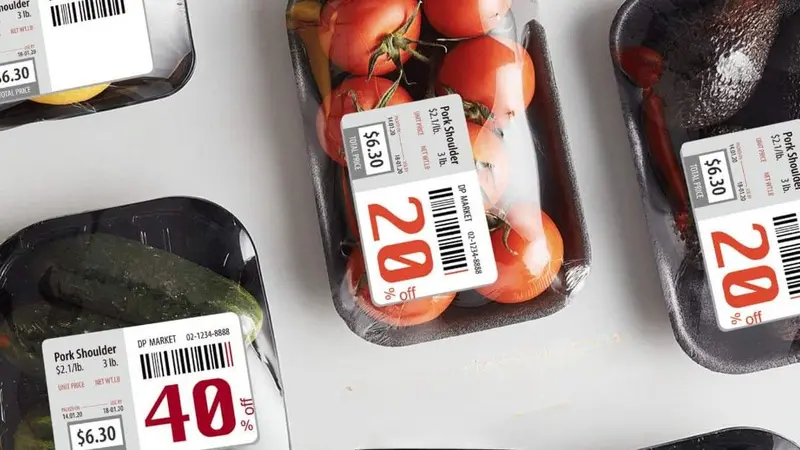
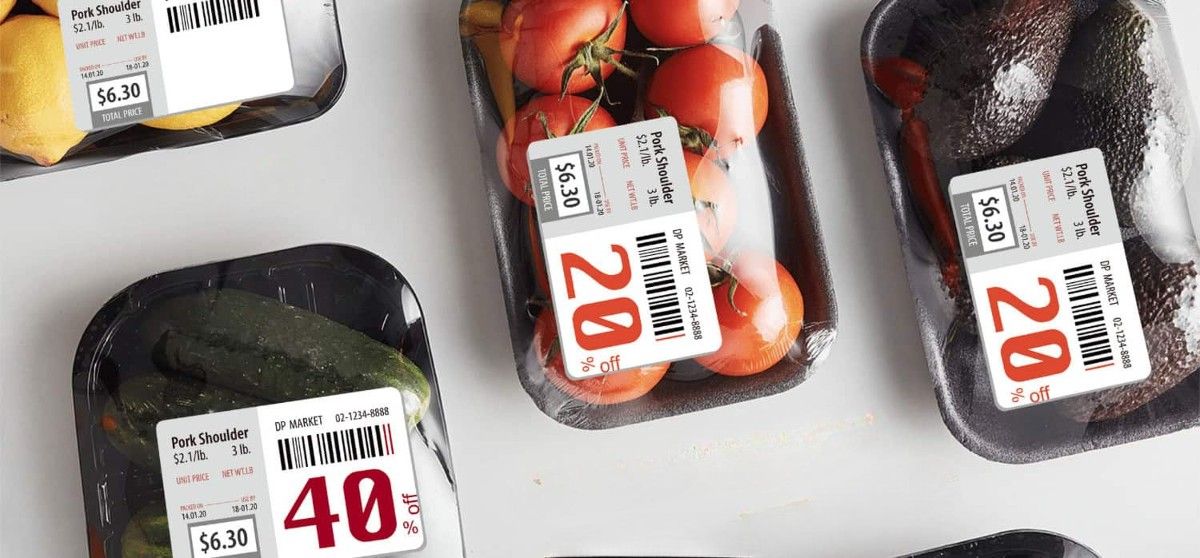
Amidst rising living costs, consumers worldwide are increasingly turning to discounted food products. Beyond produce with minor aesthetic flaws, near-expiry items are now being offered at significantly reduced prices, creating a mutual benefit for both shoppers and retailers.
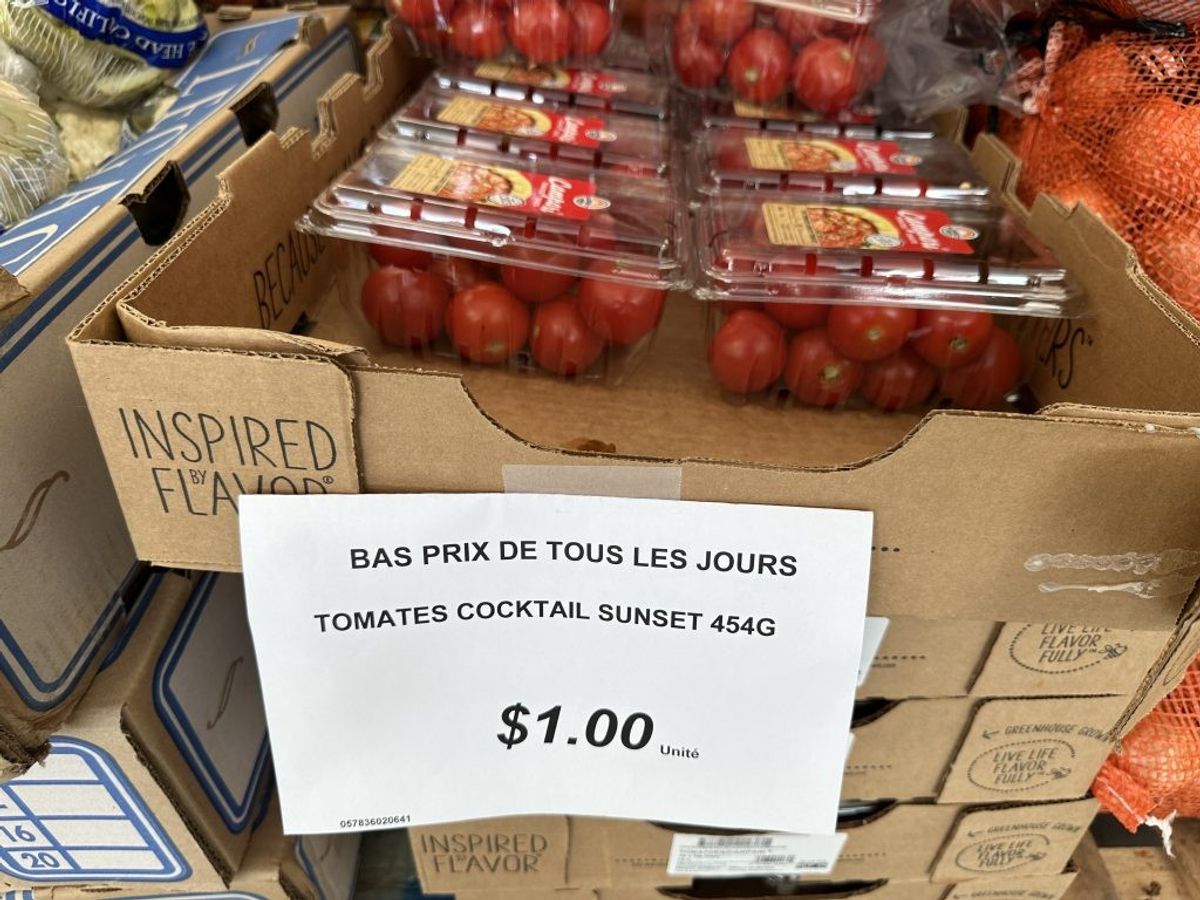
In Canada, Marie-Ève Breton, owner of the Liquidation Marie chain in Quebec, notes a dramatic shift in consumer sentiment over the past year. Items previously avoided, such as oddly shaped cucumbers or dented canned goods, are now viewed as smart choices. The business plans to expand to 19 stores by the end of this year. Similarly, Stratford Outlet in Stratford is upgrading its facilities to manage the surging demand from retail customers.
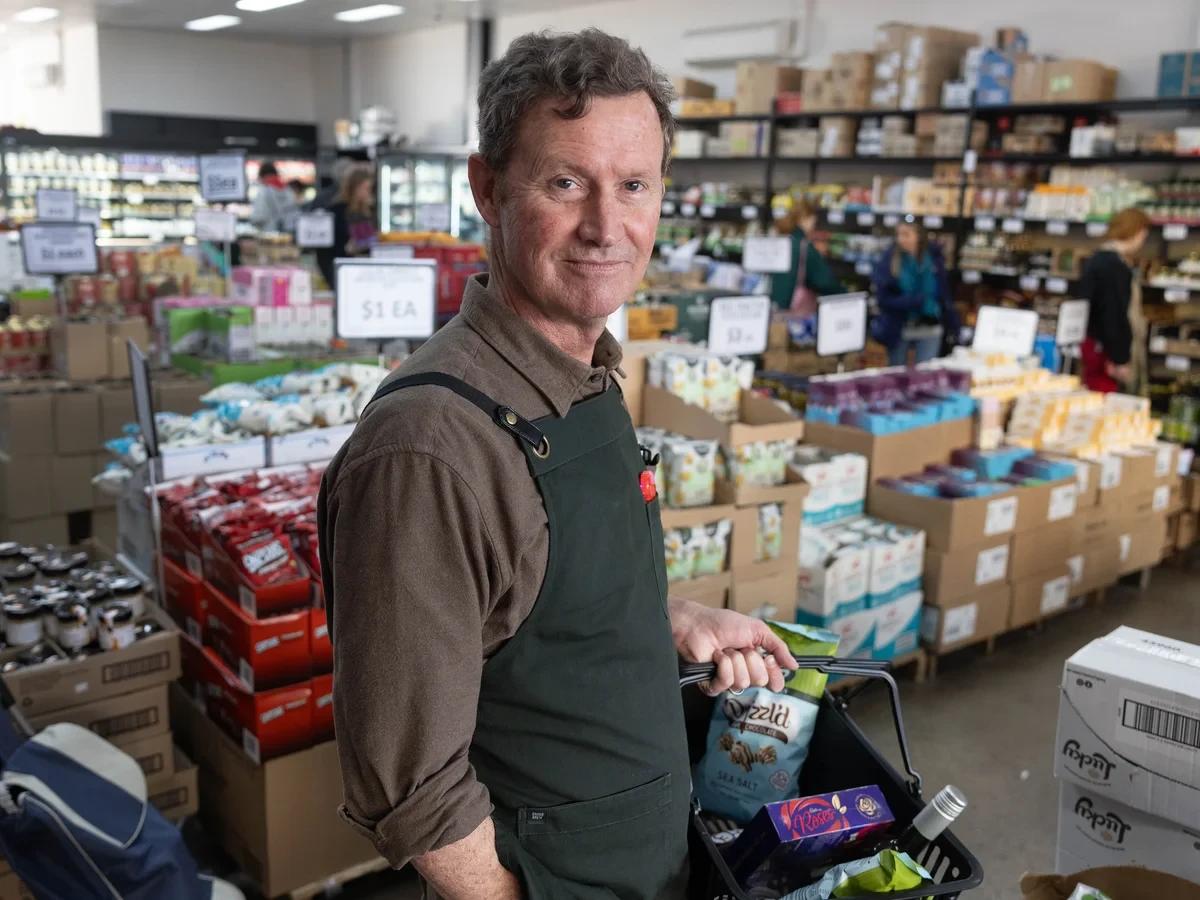
In Australia, secondary markets including brands like NQR, Cheaper Buy Miles, and Beyond Best Before are booming. Residents flock to industrial warehouses to purchase goods like chips, crackers, and chocolates at a fraction of their retail price. It is important to note that under Australian law, selling food past its 'Expiry Date'—typically applied to meat and dairy—is illegal, whereas 'Best before' labels serve merely as manufacturers' estimates for peak quality.

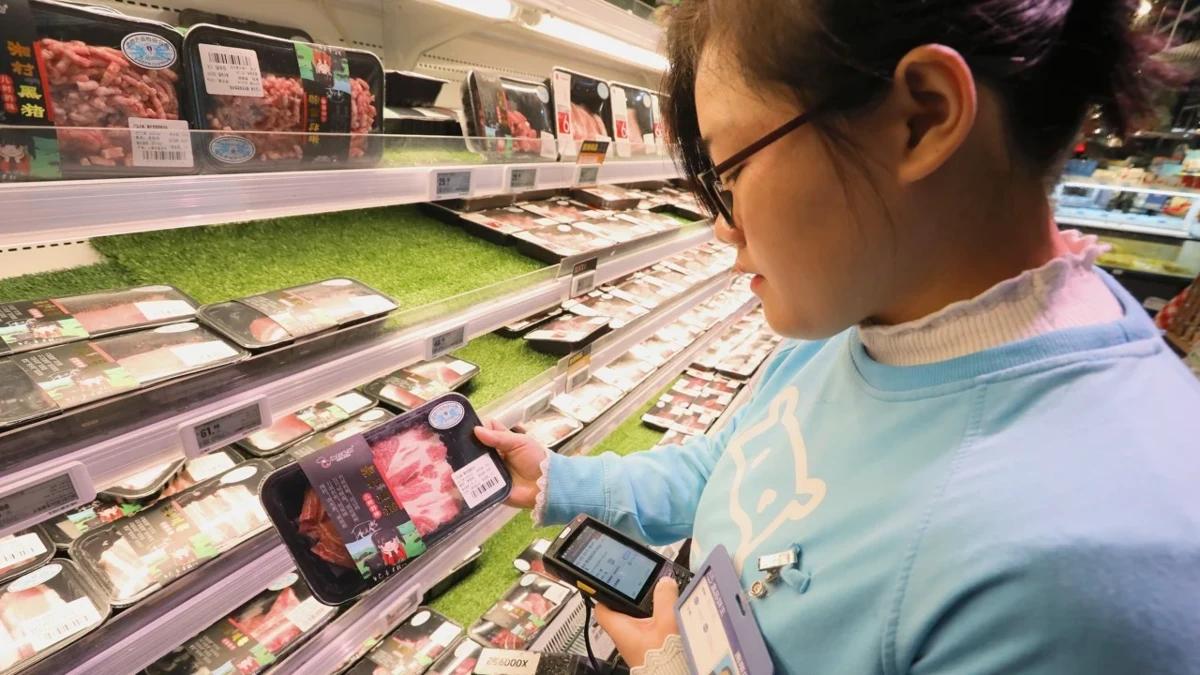
In China’s major cities, 'night market shopping' at supermarkets after 8 PM has emerged as a new consumer trend. Premium supermarket chains like 7Fresh, Yonghui, Hema, and Wumart are actively participating with discounts ranging from 30% to 70% on deli items, bread, and produce. This is viewed as an effective method to return food to its intrinsic value after subtracting daytime service premiums.
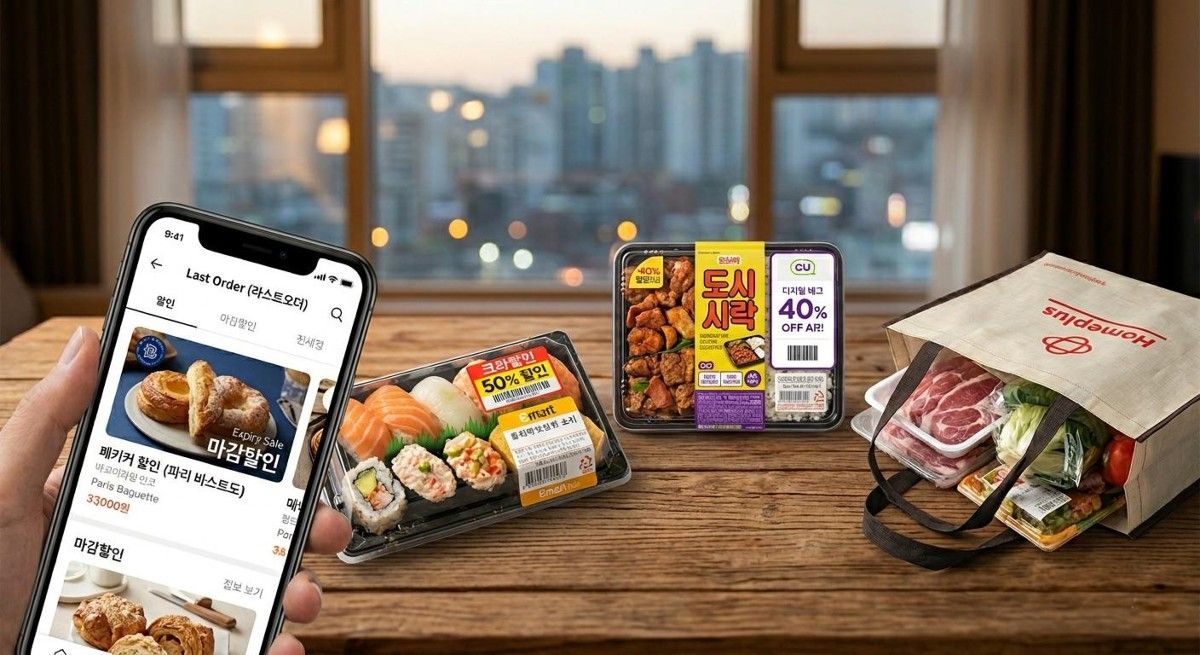
In South Korea, digital platforms such as Luckymeal and Last Order are reshaping the consumption of near-expiry food. Rather than selecting specific items, users can purchase 'lucky bags' with discounts of over 50%. These applications not only help users save on living costs but also promote eco-friendly consumption habits, effectively reducing food waste.
Tag: