5 Boiled Vegetables to Help Manage Blood Lipid Levels in Autumn
Discover 5 fiber-rich and vitamin-packed boiled vegetables to effectively and safely support blood lipid management in your autumn diet.
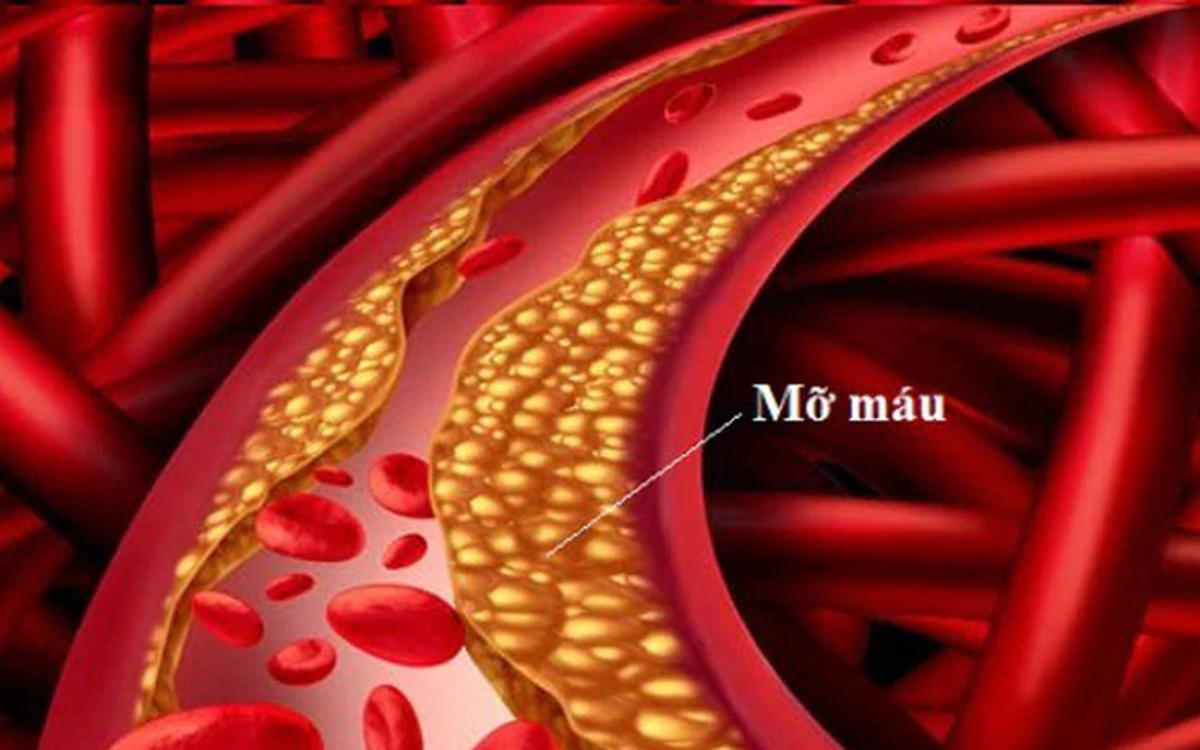
Dyslipidemia, characterized by high total cholesterol, LDL-cholesterol (bad cholesterol), or triglycerides, poses significant risks for atherosclerosis, myocardial infarction, and stroke if left unmanaged. Alongside lifestyle adjustments, diet plays a pivotal role in improving lipid profiles.
According to the U.S. National Heart, Lung, and Blood Institute (NHLBI), a cholesterol-lowering diet should focus on increasing soluble fiber intake. Soluble fiber helps reduce cholesterol absorption in the intestines, thereby contributing to lowering LDL-cholesterol. Autumn is the ideal season to integrate fresh vegetables into your daily diet for enhanced nutrition.
### 1. Boiled Broccoli
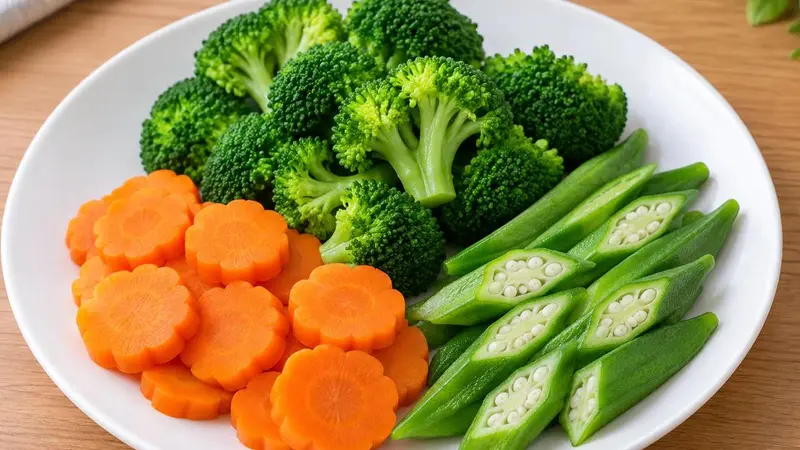
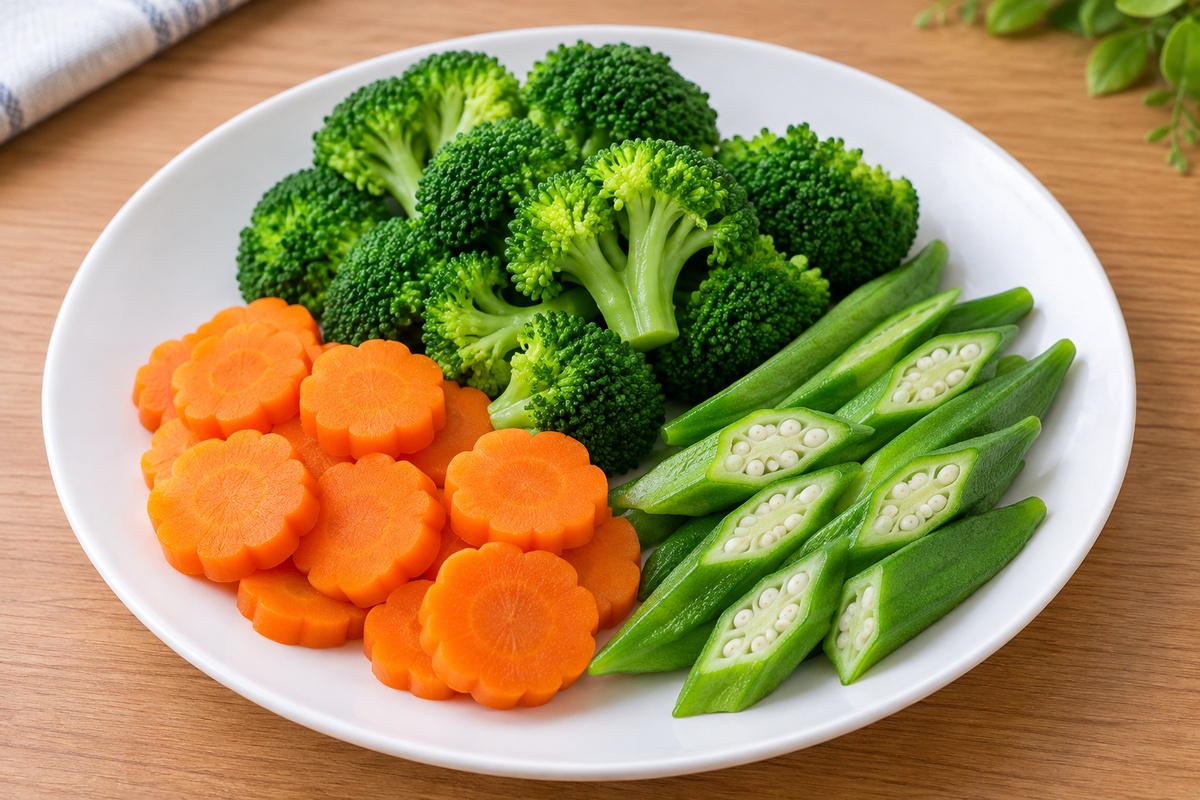
Broccoli is an excellent source of fiber, vitamin C, and folate. To retain its nutrients and crisp texture, boil it until just tender. Pair it with healthy proteins like steamed fish or tofu for a balanced meal.
### 2. Boiled Carrots
Carrots are rich in beta-carotene and soluble fiber. While not a 'miracle' cure for high lipids, replacing fried dishes with boiled carrots helps significantly reduce saturated fat intake.
### 3. Boiled Cabbage
As a seasonal staple, cabbage is an excellent way to boost fiber intake without adding excess calories. Consume the vegetable itself rather than just the broth to fully benefit from the fiber necessary for digestive health and lipid control.
### 4. Boiled Okra
Okra is known for its natural polysaccharides. Boil the pods whole after washing to preserve their beneficial mucilage. It serves as a light, healthy addition to any heart-conscious diet.
### 5. Boiled Mustard Greens
Mustard greens provide essential folate and vitamin C. For patients taking anticoagulants like Warfarin, it is crucial to maintain a stable intake of greens as directed by a physician to ensure that Vitamin K levels do not interfere with the medication.
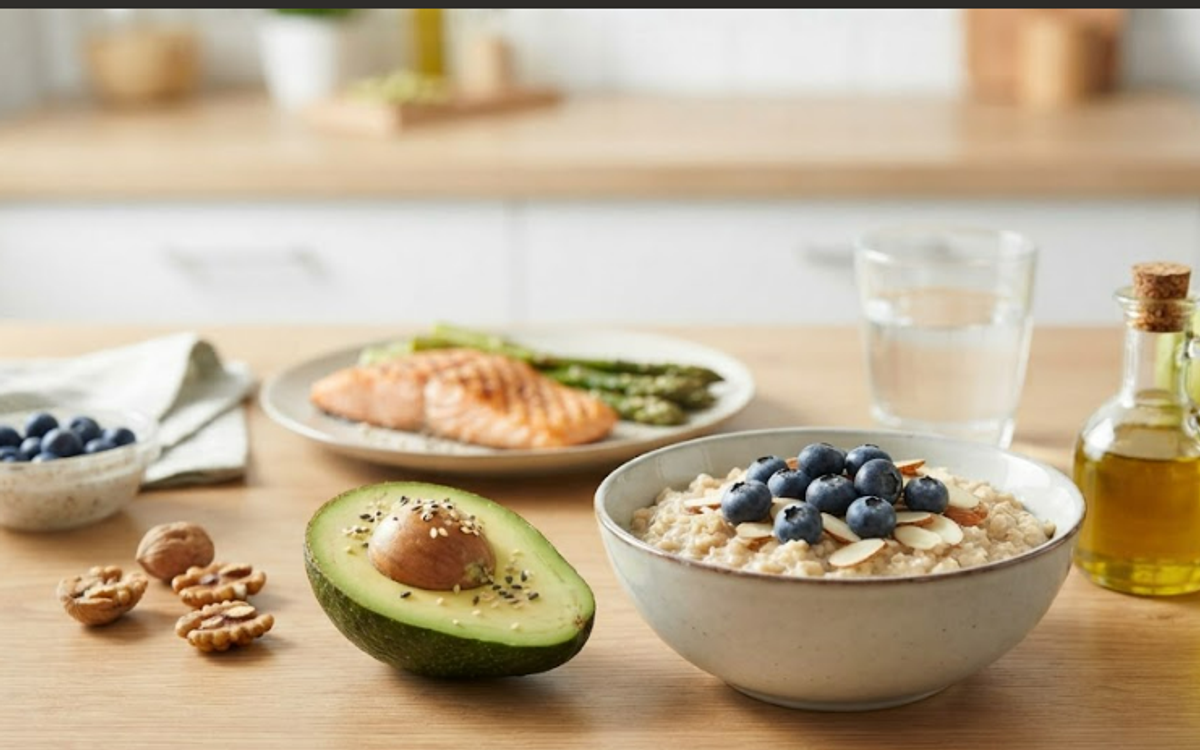
For the best results, incorporate a variety of vegetables, prioritize whole grains, and minimize fatty dressings or overly salty seasonings. Most importantly, maintain regular physical activity and adhere strictly to your specialist's treatment protocol.