5 Key Nutritional Considerations When Incorporating Persimmons into Your Diet
Explore 5 essential tips on how to combine persimmons with other foods to ensure safety, optimize nutrient absorption, and protect your digestive health.
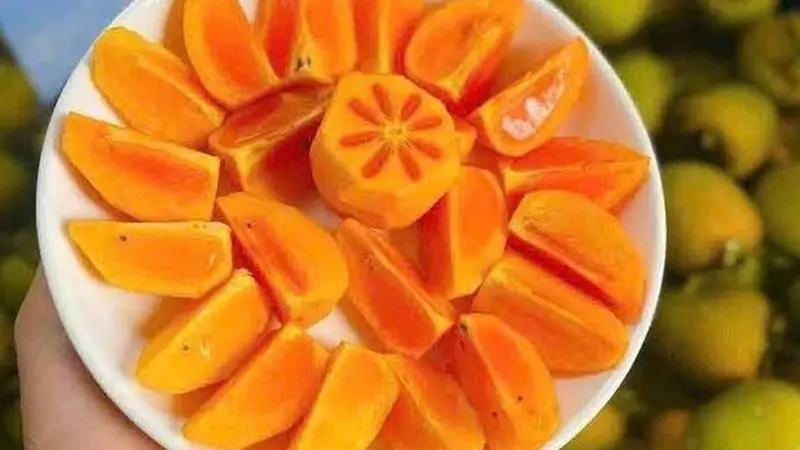
Persimmons are a rich source of dietary fiber, vitamin C, carotenoids, and potassium. However, especially in unripe fruits, the compound tannin can interfere with digestion and nutrient absorption. To fully enjoy the benefits of this fruit, consumers should keep the following five principles of food pairing in mind.
1. Avoid consumption with iron-rich foods: Tannins in persimmons can bind with iron, particularly non-heme iron found in beans, tofu, and leafy greens, thereby hindering absorption. If you are being treated for iron-deficiency anemia, eat persimmons separately from iron-rich meals to ensure optimal nutritional intake.
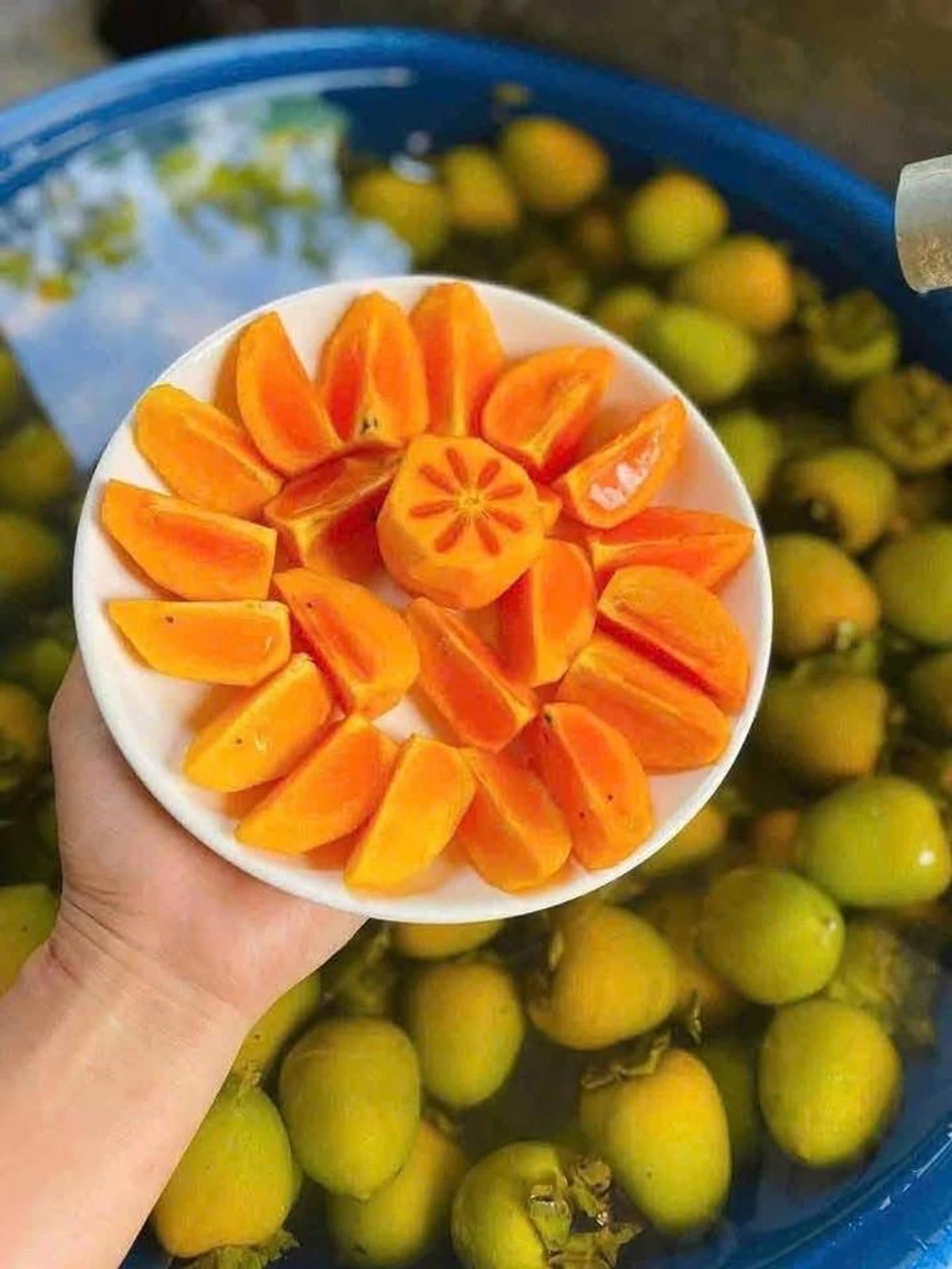
2. Considerations for protein-rich foods: While there is a common belief that tannins bind with protein to cause stomach precipitates, there is currently no evidence confirming that this combination causes toxicity in healthy individuals. Nevertheless, experts recommend consuming them in moderation and avoiding the intake of large quantities of high-protein foods simultaneously with persimmons.
3. Avoid eating persimmons immediately after dairy: Due to the interaction between tannins and proteins, consuming a large amount of persimmon right after drinking milk may cause bloating or discomfort for some individuals. For safety, consume them separately or opt for plant-based milk alternatives.
4. Caution with high-fiber foods: Combining persimmons with an excess of high-fiber foods in one meal may lead to flatulence and bloating, particularly for those with sensitive digestive systems or a history of gastric surgery.

5. Monitor total sugar intake: Persimmons contain natural sugars and carbohydrates. Combining them with other high-sugar fruits or desserts should be carefully managed, especially for individuals with diabetes or those monitoring their blood glucose levels.
In summary, for healthy individuals, persimmons are a nutritious fruit choice when consumed in reasonable amounts. Choosing fully ripe or properly de-tanninized fruit is the top priority for protecting digestive health.