5 Common Mistakes When Making Homemade Guava Leaf Tea That Cause Mold
A guide on the safe preparation and storage of homemade guava leaf tea to avoid mold risks and ensure consumer health.
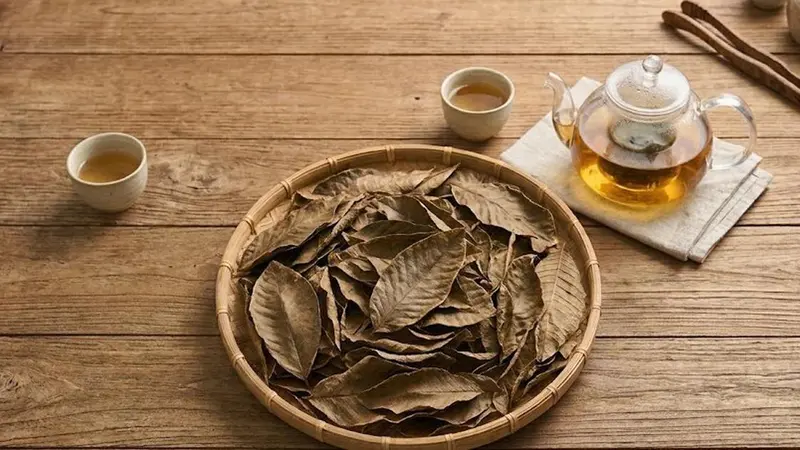
Guava leaf tea is typically prepared from fresh, processed leaves that are air-dried or dehydrated for long-term storage. However, improper drying and storage processes can leave residual moisture, creating an ideal environment for mold growth. Contaminated ingredients not only affect the color and flavor but also pose significant health risks. Here are 5 common mistakes to avoid to ensure the quality of your tea.
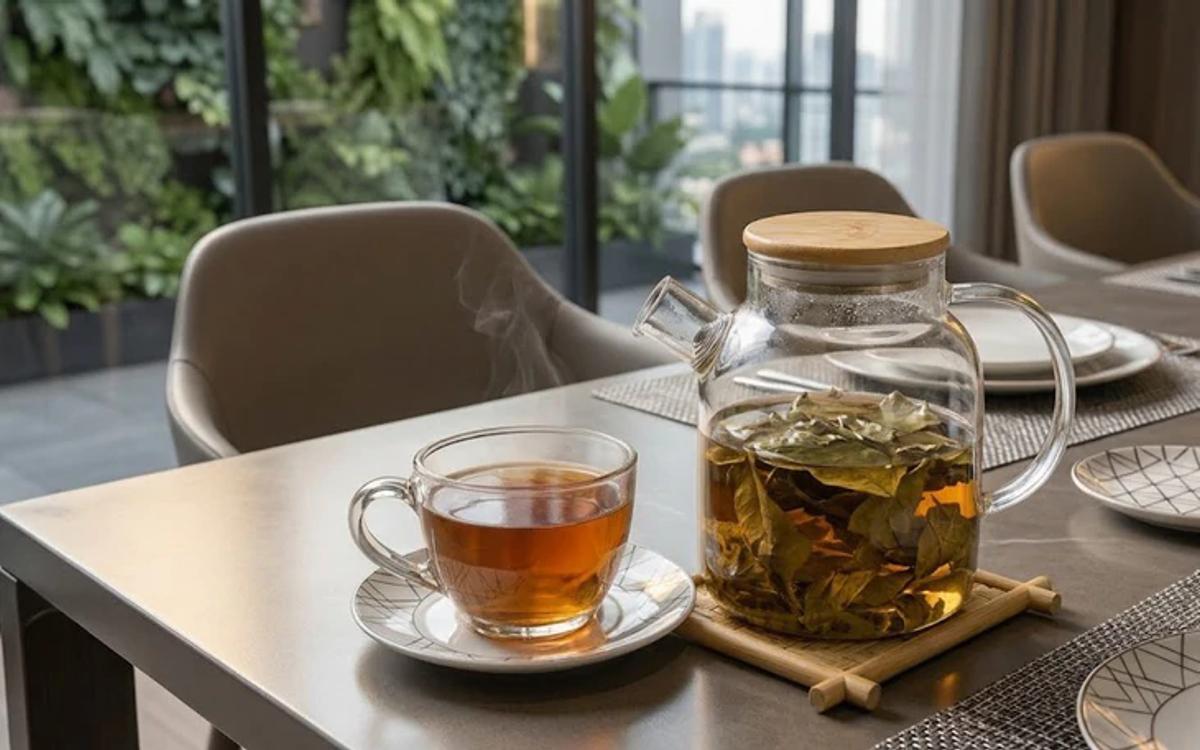
1. Selecting damaged or pest-ridden leaves: The quality of raw material determines the safety of the tea. Leaves that are damaged, spotted, or infested with pests are prone to accumulating dirt and microorganisms. Always choose fresh, intact leaves from reliable sources, avoiding areas near pollution or chemical use.
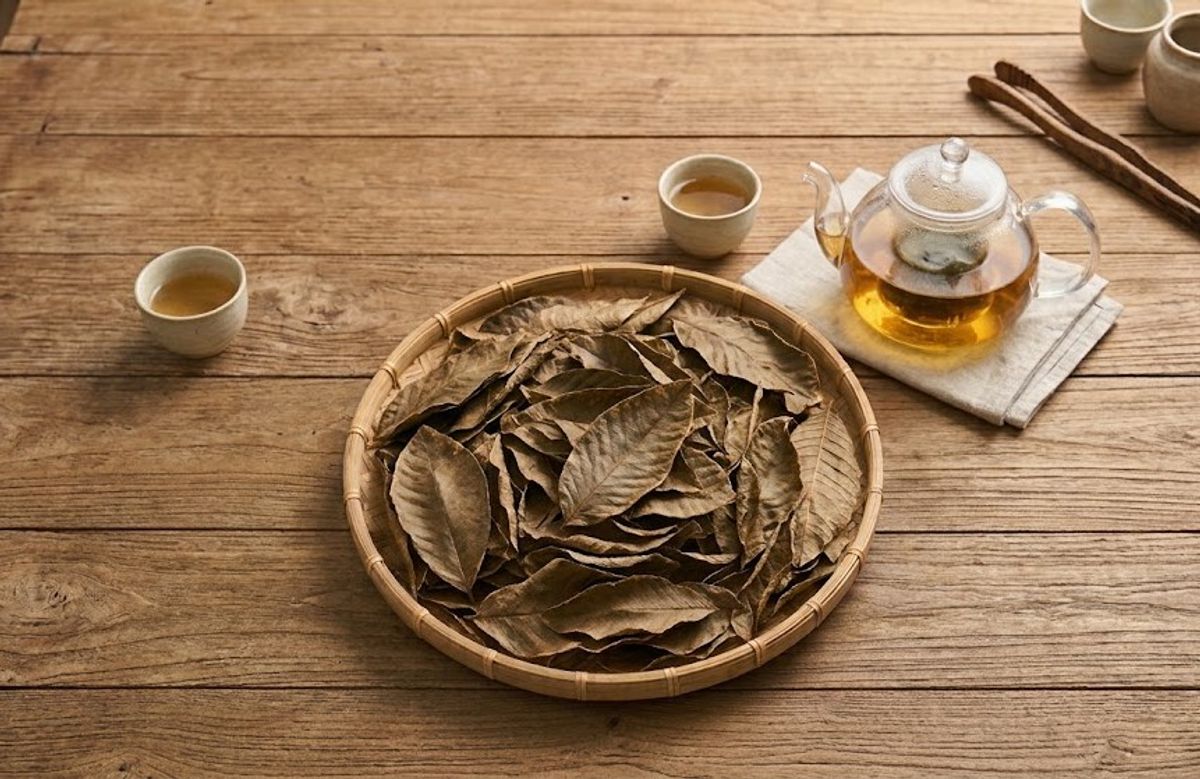
Guava leaf tea is usually made from processed fresh leaves that are air-dried or dehydrated. AI illustrative image.
2. Failure to drain water after washing: Retaining water prolongs the drying process and invites mold. After washing, allow the leaves to air-dry naturally on an open tray. Avoid stacking them in bags or closed containers while still wet.
3. Drying in areas with poor ventilation: A lack of airflow prevents moisture from escaping efficiently. Spread the leaves in a thin layer on clean racks in a well-ventilated space, away from direct contaminants. Stir the leaves occasionally to ensure even drying.
4. Improper dehydration: Using temperatures that are too low or drying times that are too short may leave moisture inside, while excessive heat can degrade natural compounds and flavors. Follow equipment guidelines based on the moisture content and thickness of the leaves.
5. Packaging while still damp or warm: This is a primary cause of spoilage during storage. Ensure the leaves have cooled completely before sealing them in an airtight container. If you notice condensation or an unusual odor, discard the batch immediately; it is not safe to use.
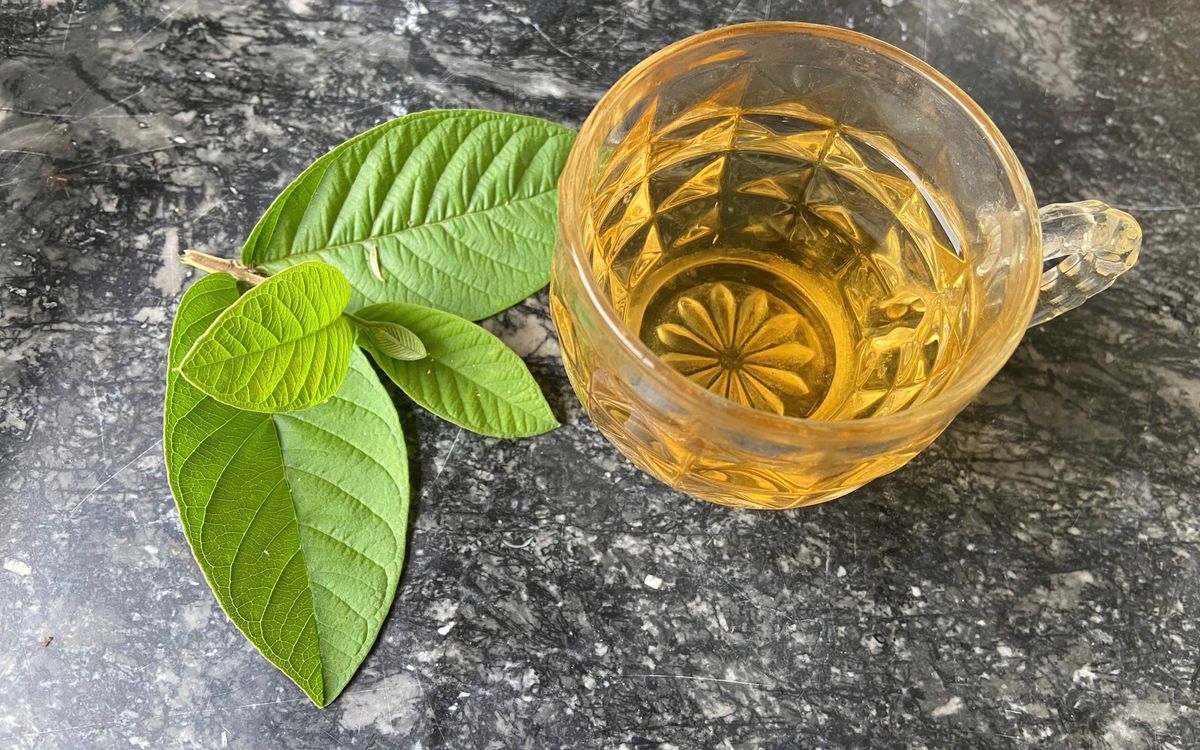
Following strict hygiene practices from selection to storage is essential for a safe cup of guava leaf tea. If the tea shows any signs of deterioration, the best course of action is to dispose of it, as some fungal toxins are resistant to standard boiling temperatures.