6 Plant-Based Foods Richer in Protein and Fiber Than Eggs
Discover 6 plant-based foods rich in protein and fiber to optimize nutrition and improve digestive health beyond relying solely on eggs.
### Why is the combination of protein and fiber important?
A large hard-boiled egg provides approximately 6.3g of protein but contains no fiber. Meanwhile, fiber is essential for gut health, supporting digestion, regulating blood sugar levels, and contributing to cholesterol reduction. Protein serves as the building block for muscle maintenance and tissue repair. When combined with fiber, this nutrient synergy not only prolongs satiety but also assists in weight management and prevents overeating.
### 6 Nutrient-Dense Plant-Based Sources
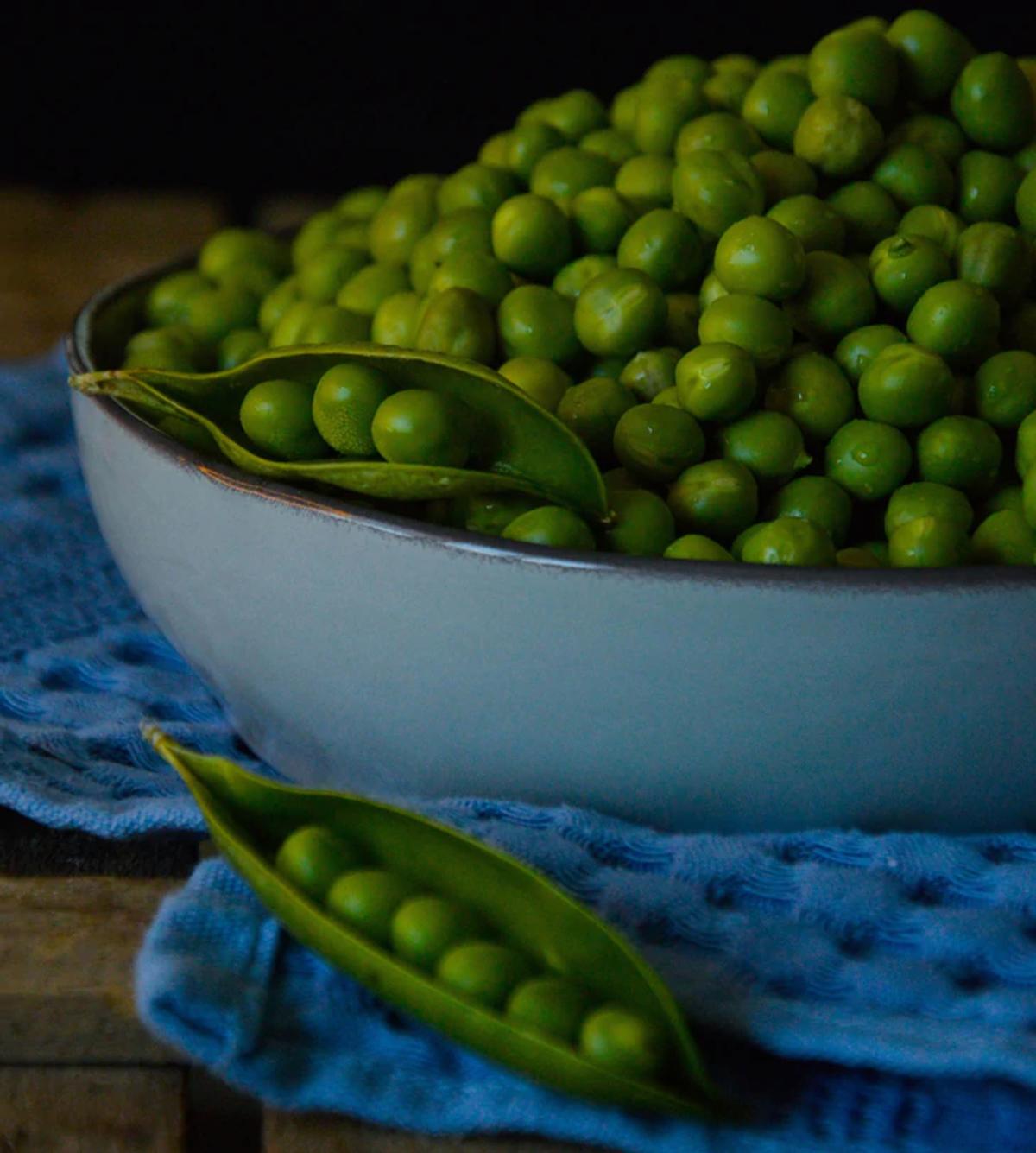
**1. Green Peas:** One cup of cooked green peas offers about 8.6g of protein and 8.8g of fiber, along with abundant folate, vitamins A, C, K, and antioxidant polyphenols.
**2. Chickpeas:** Providing 14.5g of protein and 12.5g of fiber per cup, chickpeas also contribute magnesium for blood pressure regulation and zinc for immune support.
**3. Edamame:** With 18.5g of protein and 8g of fiber per cup, this is an excellent source of potassium and magnesium, supporting stable blood pressure.
**4. Lentils:** Offering 17.9g of protein and 15.6g of fiber per cup, lentils are also rich in B-vitamins, which are necessary for red blood cell formation.
**5. White Beans:** An impressive pantry staple containing 19.7g of protein and 19.1g of fiber per cup, along with iron, selenium, and folate.
**6. Teff:** This ancient grain from Ethiopia provides 9.7g of protein and 7g of fiber per cup, making it an ideal alternative to refined carbohydrates.
### Smart Nutritional Combination Strategies
Eggs remain a nutritious food choice, but pairing them with plant-based sources will diversify protein intake and significantly boost fiber consumption. You can incorporate green peas into soups, add chickpeas to salads, or include white beans in stews. It is important to increase fiber intake gradually, ensure adequate water consumption, and prioritize cooking beans until soft to protect the digestive system from bloating.