Intuitive Eating: A Simple Habit to Improve Cardiovascular Health
Intuitive eating helps reduce stress, improve sleep, and effectively support blood pressure management when combined with a healthy lifestyle.
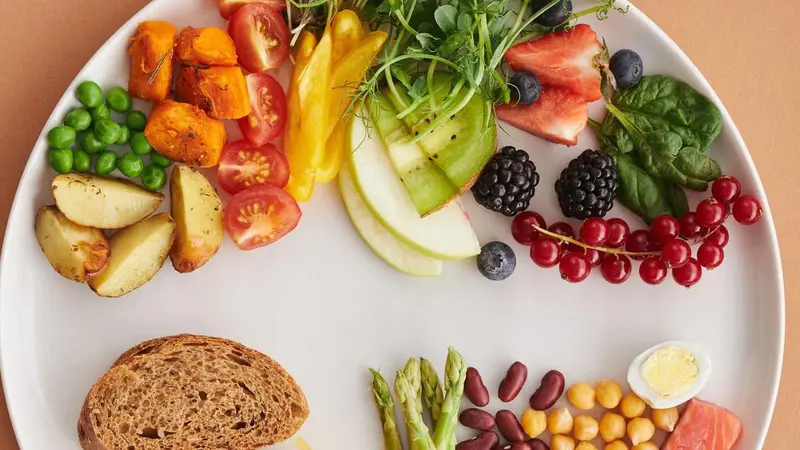
Intuitive eating is a methodology that does not rely on strict diet plans but instead encourages individuals to listen to their body's signals to identify hunger, fullness, and make appropriate food choices. Rather than following rigid rules, this approach promotes slowing down, focusing on the eating experience, and enjoying meals with loved ones.
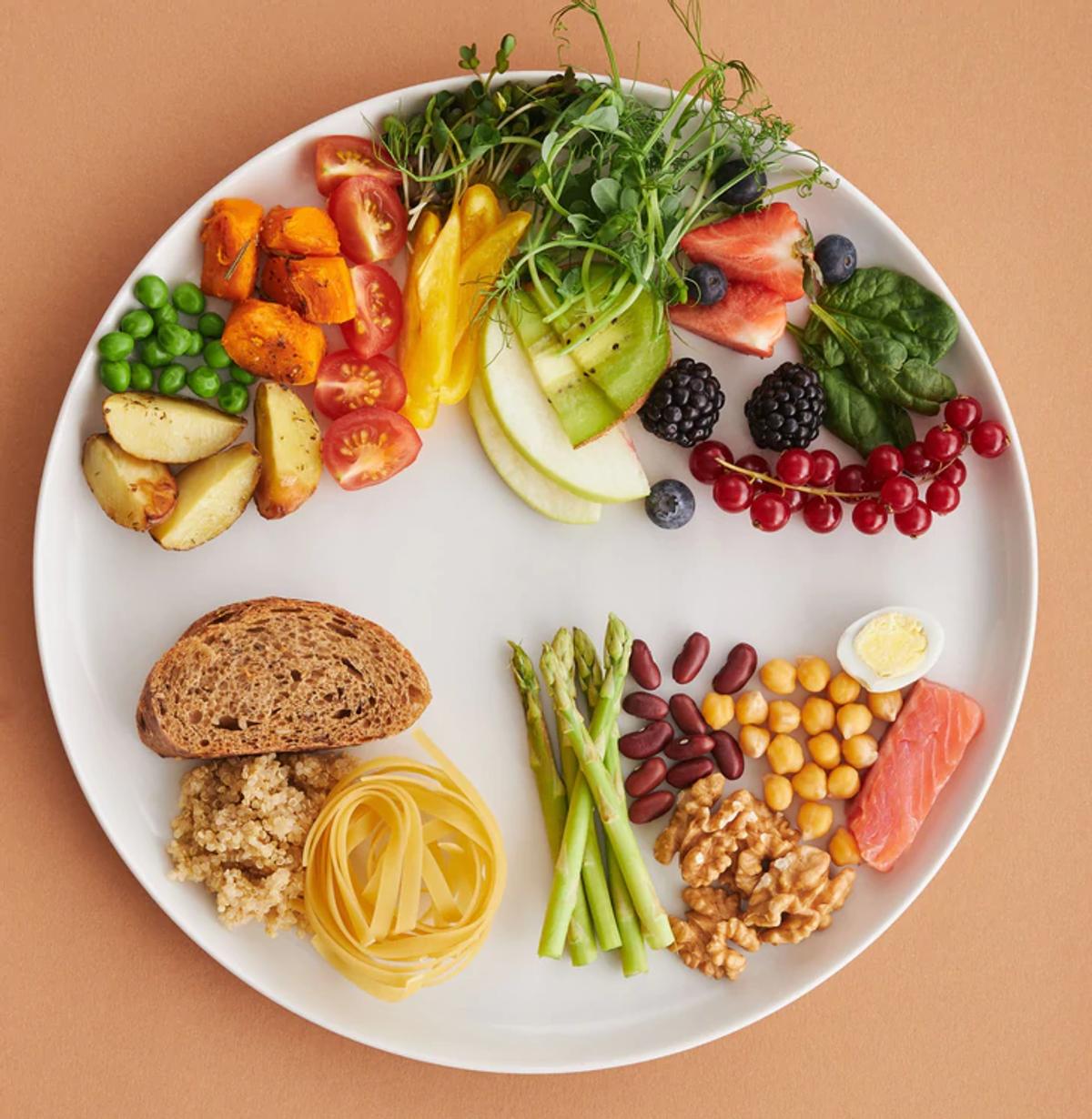
A study of 1,057 adults in the U.S. observed a strong correlation between intuitive eating and lower stress levels, longer sleep duration, and a reduced risk of conditions such as hypertension, high blood cholesterol, and type 2 diabetes. During stressful situations, the body triggers a 'fight or flight' response, causing the heart to beat faster and blood pressure to rise. Ashlee Carnahan, a supervisor at the Center for Health Promotion and Disease Prevention at Henry Ford Health, notes that eating in a rush while stressed can lead to slightly higher blood pressure compared to sitting down and enjoying a meal in a relaxed state.
Furthermore, stress can lead to the selection of less nutritious foods or overeating, contributing to weight gain and increasing the risk of obesity—a primary risk factor for hypertension. However, experts emphasize that the research notes a correlation rather than proving a direct causal relationship between this method and the cure of chronic diseases.
Intuitive eating can be a beneficial supplement to the DASH (Dietary Approaches to Stop Hypertension) diet. The DASH diet has long been proven to help lower systolic blood pressure by up to 11 mmHg through sodium control and increased intake of vegetables and fruits. According to Dr. Matthew Landry from the University of California, Irvine (UC Irvine), while DASH focuses on specific nutritional principles, intuitive eating helps build a positive relationship with food, thereby reinforcing the ability to maintain other beneficial behaviors such as physical exercise and stress management.
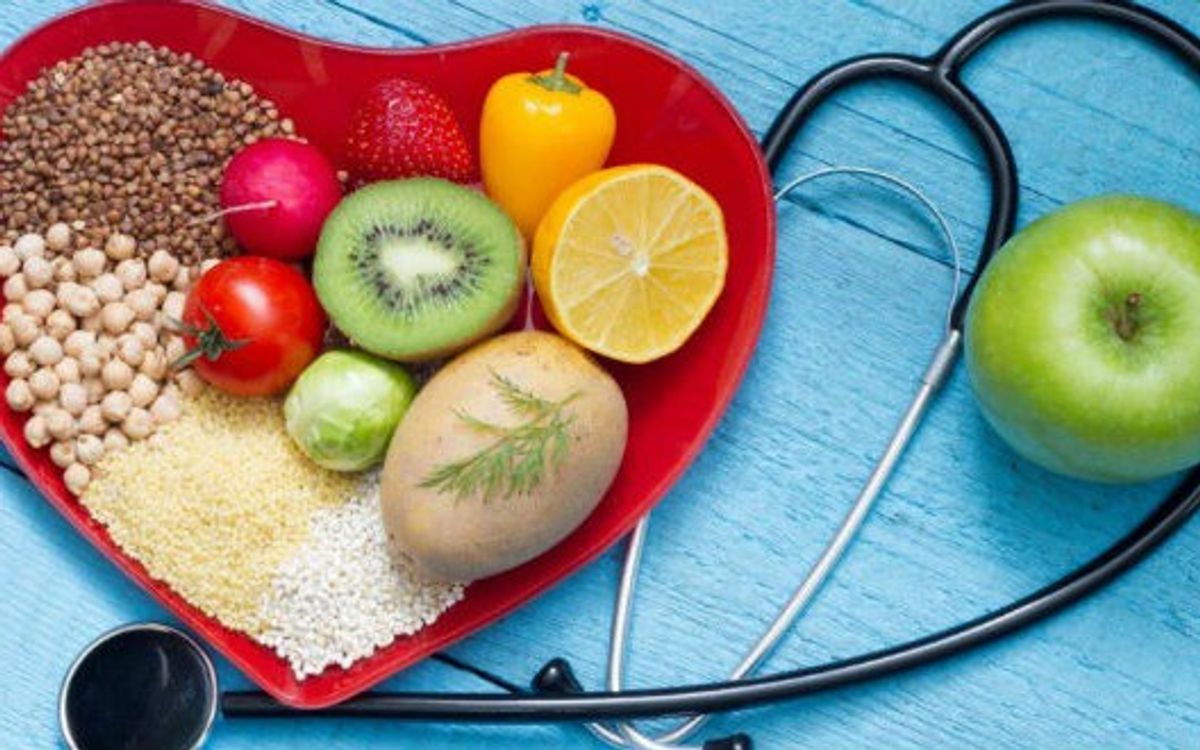
To practice intuitive eating effectively, start by listening to your body's signals instead of eating based on emotions or boredom. Avoid labeling foods as strictly 'good' or 'bad'; allow yourself to enjoy a variety of foods in moderation. For example, when eating a dessert like chocolate, focus on the aroma and taste as it melts in your mouth rather than mindlessly consuming a large bar.

Turning off distracting devices like phones or televisions during meals is a key strategy to become more aware of the body's satiety signals. Additionally, focusing on social connection while dining contributes significantly to cardiovascular health. Strong social support networks are considered to protect health and reduce the psychological burden associated with hypertension. You do not need to change all your habits at once; select one suitable change to begin your health improvement journey.