The Impact of Ultra-Processed Foods on Children's Development: What Parents Need to Know
Explore the long-term effects of ultra-processed foods on children's health, eating habits, and overall development in today's fast-paced lifestyle.

In today's fast-paced life, many families prioritize pre-packaged, instant, and fast food items like instant noodles, sausages, snacks, or canned juices for their convenience. However, if these foods are consumed too frequently, the immediate convenience can lead to long-term risks for children's health and nutritional habits.

Ultra-processed foods often undergo multiple industrial processes, containing high levels of sweeteners, preservatives, emulsifiers, and artificial flavorings, while lacking fiber, vitamins, and natural minerals. The core issue lies not just in the packaging, but in the nutritional imbalance: high energy density coupled with poor biological value.

Many products designed for children, such as breakfast cereals, high-sugar yogurt, teething biscuits, or energy drinks, often come with eye-catching claims like 'height enhancement' or 'vitamin enriched.' However, upon closer inspection of nutrition labels, many parents may be surprised by the levels of sugar, salt, and saturated fat that exceed the recommended intake for a child's developmental needs.
Frequent exposure to intense industrial flavors leads to a skewed sense of taste, causing children to lose interest in natural foods like fresh vegetables, fish, or whole grains. This creates a significant barrier to building healthy eating habits from an early age.
Furthermore, ultra-processed foods are closely linked to the risks of being overweight, obesity, tooth decay, and deficiencies in essential micronutrients like iron, zinc, calcium, and Vitamin D. These are cumulative consequences of long-term consumption habits that directly affect the body's metabolic capabilities and immune system.
Parents are advised not to enforce absolute prohibition, but to exercise strict control by reading nutrition labels and prioritizing fresh whole foods. Start by gradually replacing industrial snacks with fresh fruit, low-sugar yogurt, and home-cooked meals.
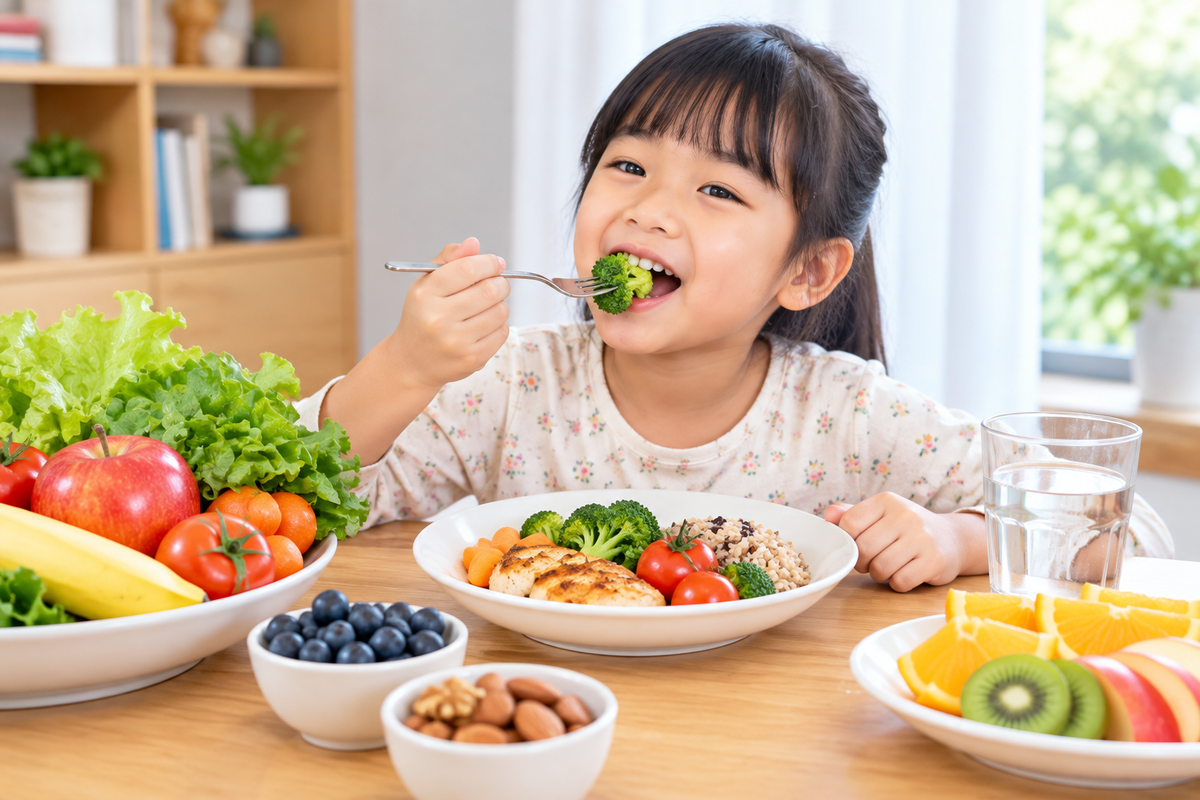
Building a healthy eating environment requires collaboration between families and schools. When the entire community works to minimize the marketing of unhealthy foods, children will have a better foundation to form sustainable eating habits, viewing natural food as the primary choice for long-term growth.