Four Strategic Trends Shaping the Vietnam F&B Industry in 2026
A report from Ipsos and Unilever Food Solutions identifies 4 key trends to help Vietnam's F&B businesses optimize operations amid rising input costs in 2026.
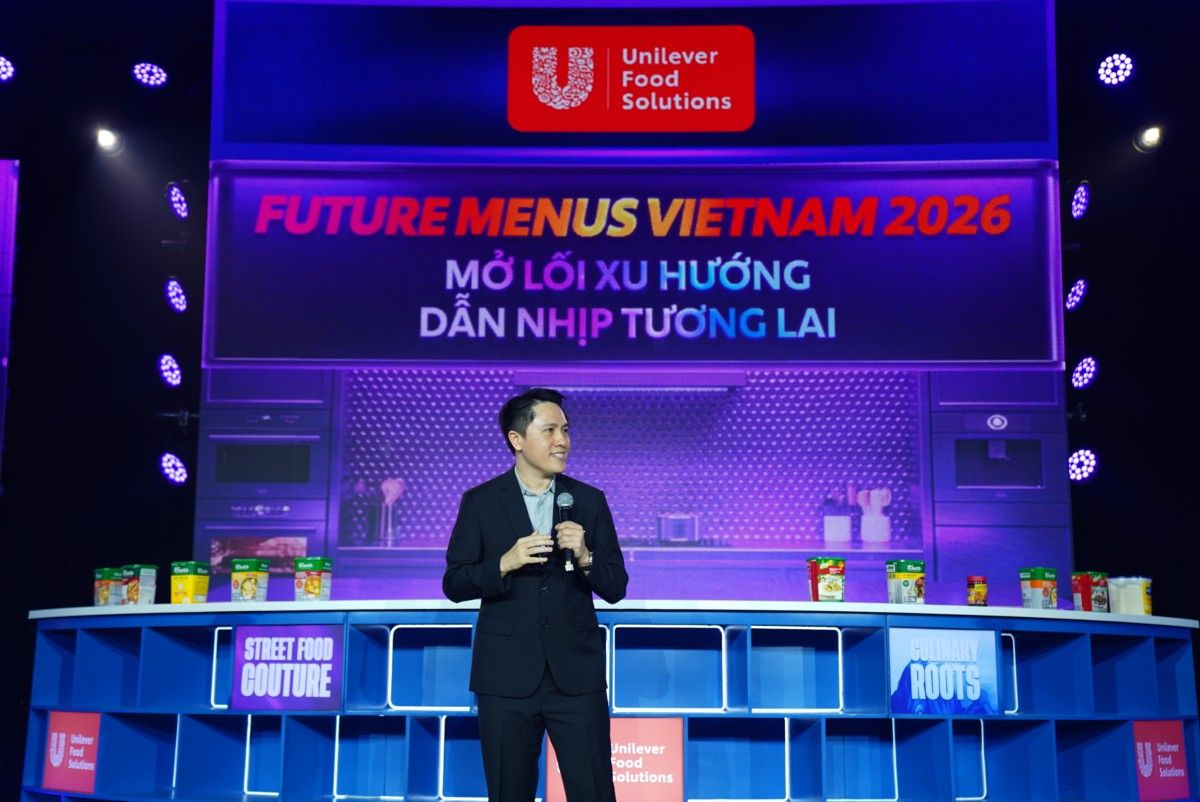
Despite a strong 13% growth in Q1 2026, Vietnam's F&B industry is currently facing significant challenges as raw material and energy costs surge. According to Mr. Nguyen Xuan Huy, General Manager of Unilever Food Solutions (UFS) Vietnam, fuel and gas prices spiked by 35% during April and May, highlighting the urgent need for lean operation models and cost optimization.
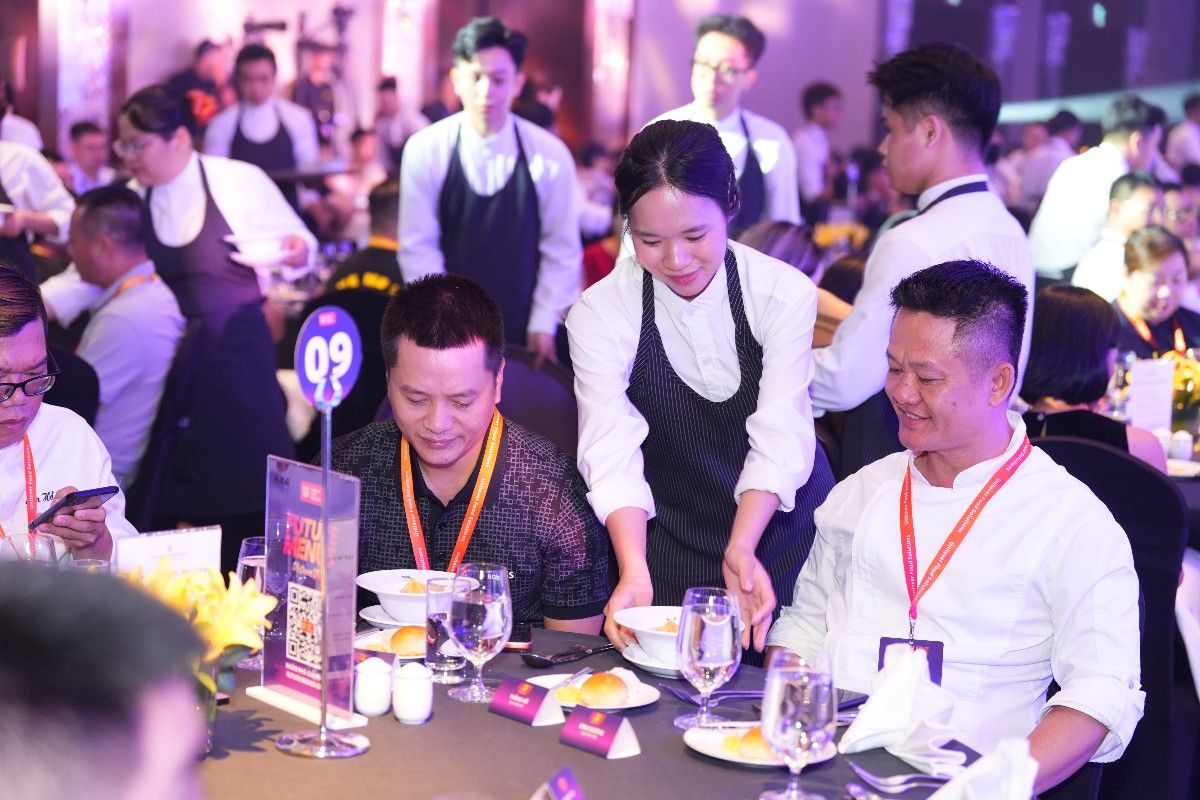
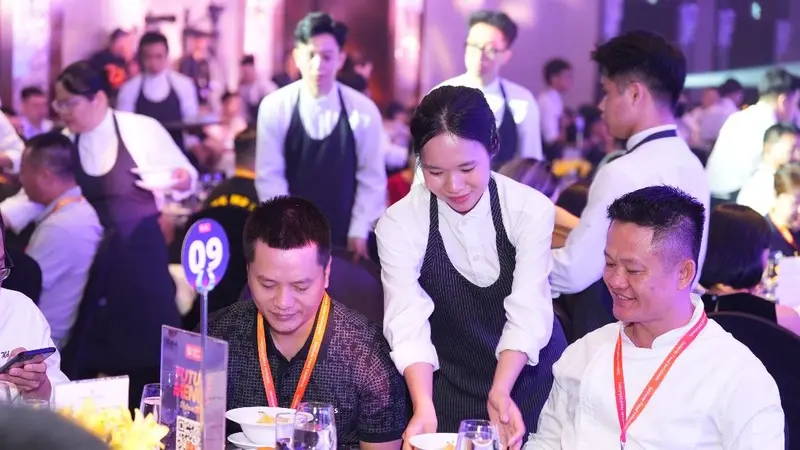
At the “Future Menus 2026” event in Hanoi, experts from Ipsos and UFS observed that consumers are shifting their mindset from short-term trends to seeking deep cultural and emotional experiences. This transformation has defined four core trends for the 2026 market.
The first is “indigenous essence.” With 87% of chefs believing in its long-term potential, this trend is driven by 82% of diners actively seeking dishes linked to local ingredients, while 57% are willing to pay a premium for Vietnamese agricultural products.
The second is “elevated street food.” Approximately 60% to 70% of independent restaurants have now integrated elevated street food into their permanent menus. Notably, 62% of diners are willing to pay more to enjoy familiar staples like pho or noodles in a luxurious and food-safe environment.
The third is “cross-border cuisine,” which strongly appeals to Gen Z and Gen Alpha. Roughly 71% of customers are attracted to creative fusion, with 78% of chefs favoring the “Asia-Asia” combination, particularly Japanese and Thai flavors.
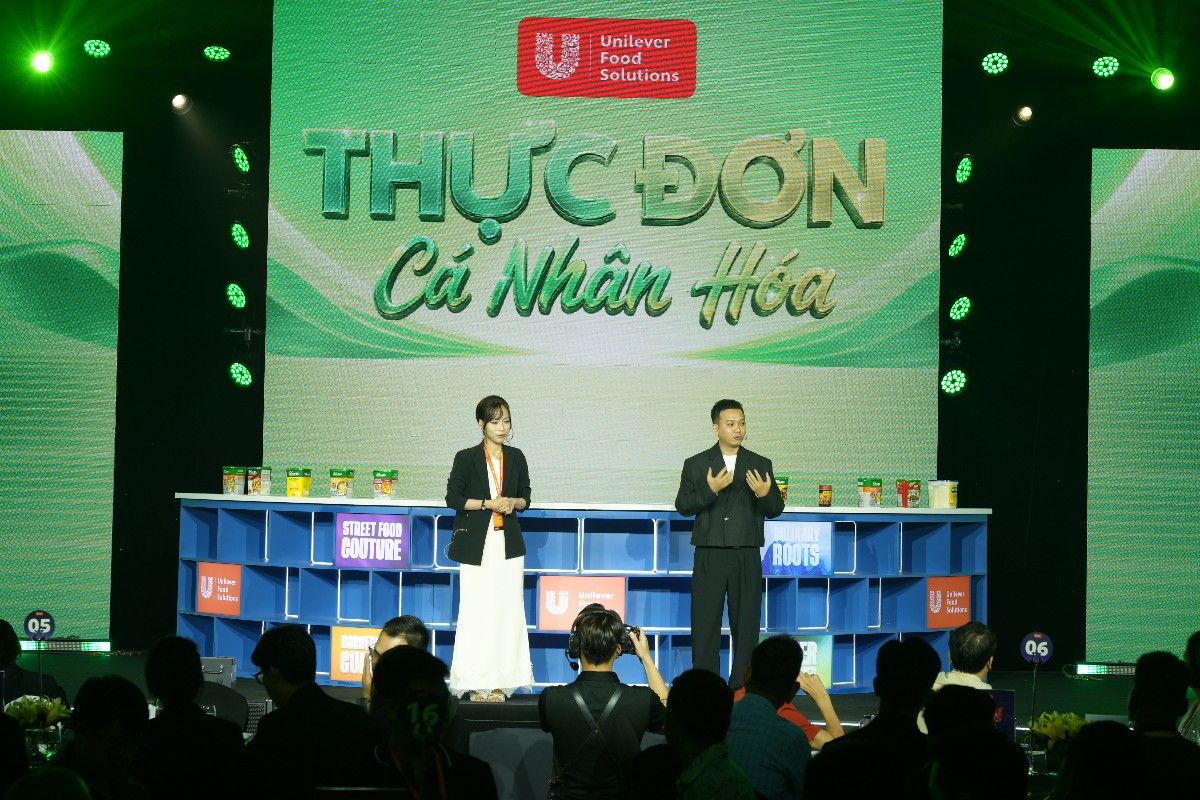
Finally, “personalized menus” have become a standard expectation. Data indicates that 44% of young diners want to customize dishes to their preferences, while 43% prioritize nutritional intake. UFS experts suggest that restaurants should focus personalization on core details to maintain kitchen operational efficiency.