How to Identify Potassium Nitrate (Saltpeter) on Food Labels
A guide for consumers to identify potassium nitrate (INS 252) in ingredients and understand the use of this food additive according to Codex and Ministry of Health standards.
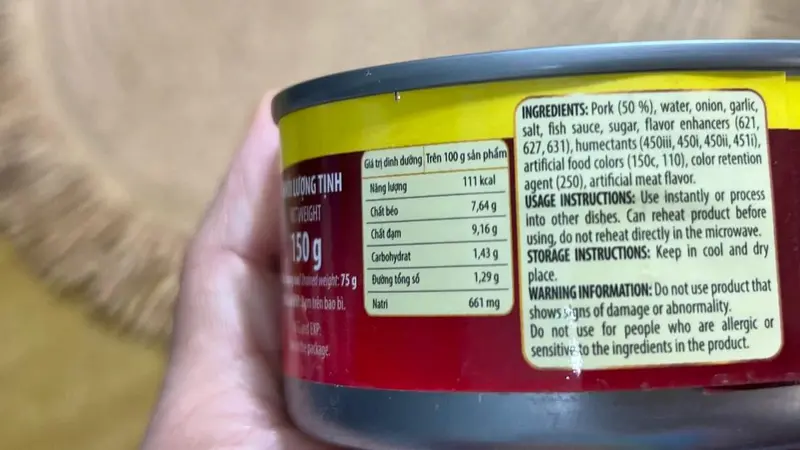
Saltpeter, chemically known as potassium nitrate (KNO₃), is a common additive in food technology. According to data from the Codex Alimentarius and the Joint FAO/WHO Expert Committee on Food Additives (JECFA), this compound is designated as INS 252. On product labels, manufacturers may list it as 'potassium nitrate', 'INS 252', or 'E252'.

To check for the presence of saltpeter, consumers should focus on the 'Ingredients' section rather than front-of-pack marketing claims. This is especially important for items like deli meats, sausages, bacon, or cheese. Distinguishing between the INS system (Codex) and the E system (European Union) clarifies that both codes 252 refer to the same preservative.
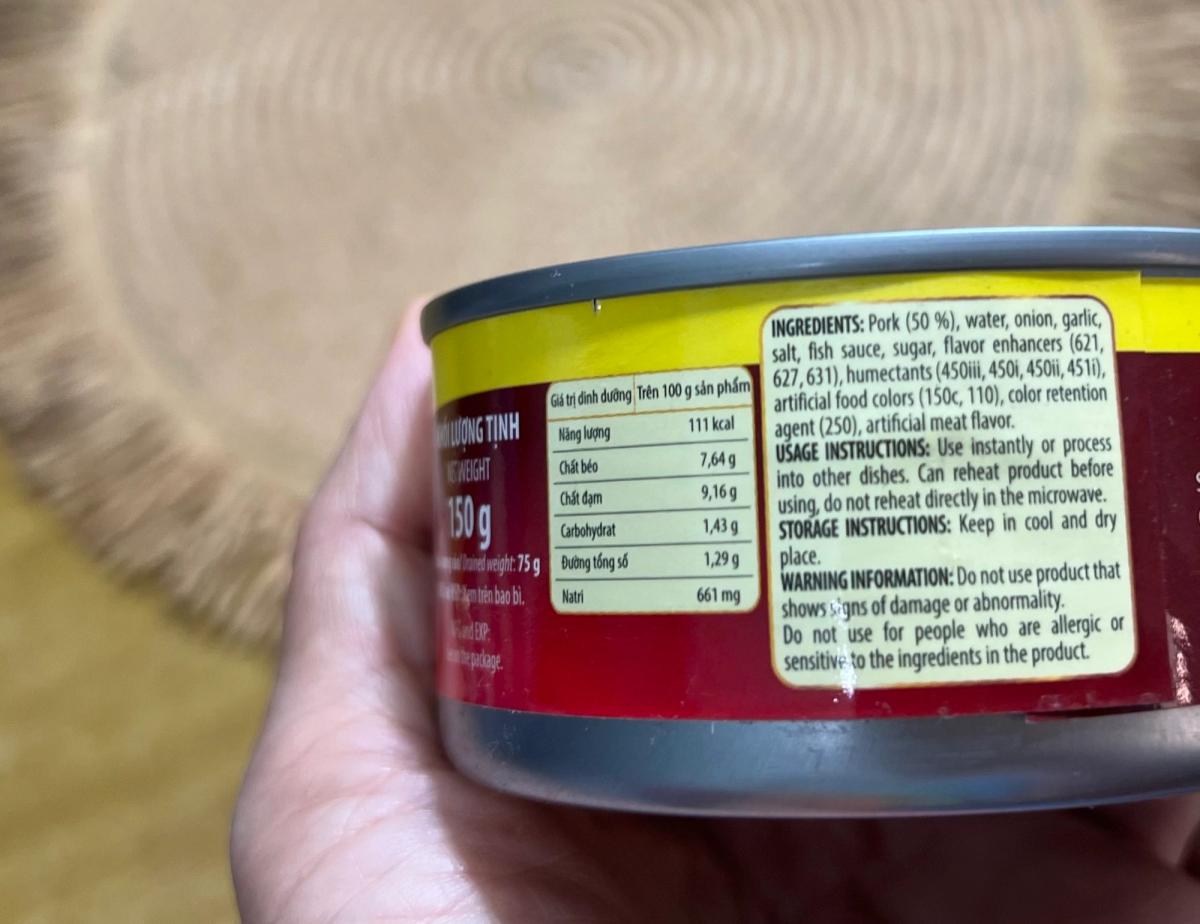
Potassium nitrate is used to preserve and stabilize the color of meats and ripened cheeses. In Vietnam, the Ministry of Health strictly regulates food additives, requiring them to meet rigorous safety and technical standards. It is important to note: Not all nitrates or nitrites are saltpeter. Consumers should clearly distinguish these to avoid confusion with other additives.
The presence of E252 on a label does not imply that food is unsafe if used within permitted limits. JECFA has established an Acceptable Daily Intake (ADI) for nitrates of 0-3.7 mg/kg of body weight. Consumers are strongly advised against using industrial-grade potassium nitrate for home cooking, as it does not meet food-grade safety requirements.