Warning: Health Risks of Unlabeled Street Food Near School Gates
An analysis of potential health risks from unlabeled food near school gates and solutions for helping children build healthy eating habits.
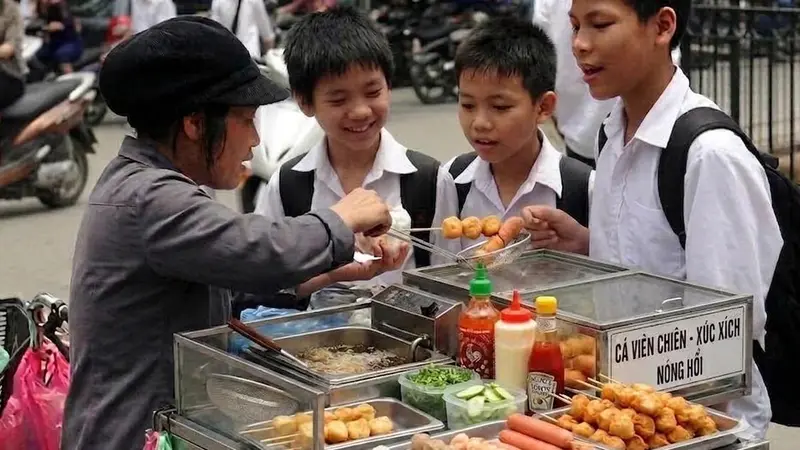
Street food near school gates has long been a common habit for students after school due to its appealing colors and flavors. However, hidden behind this convenience are potential health risks that parents and teachers must deeply recognize. Managing these eating habits requires close coordination between families, schools, and local authorities.

Mobile vendors and street stalls near school areas often sell snacks like skewers, sausages, and low-cost bubble tea. A concerning commonality is that most of these products lack labels, clear origins, expiration dates, or ingredient lists. These foods often contain additives, preservatives, and industrial food dyes exceeding safety thresholds, compounded by poor hygiene, leaving them vulnerable to bacterial contamination and street dust.
According to Dr. Nguyen Yen Thao, former Deputy Head of the Occupational Disease Department at the Center for Occupational and Environmental Health, the repeated use of cooking oil at high temperatures creates harmful denatured compounds. The long-term accumulation of these chemicals and bacteria can severely damage a child's digestive system, liver, and kidneys.
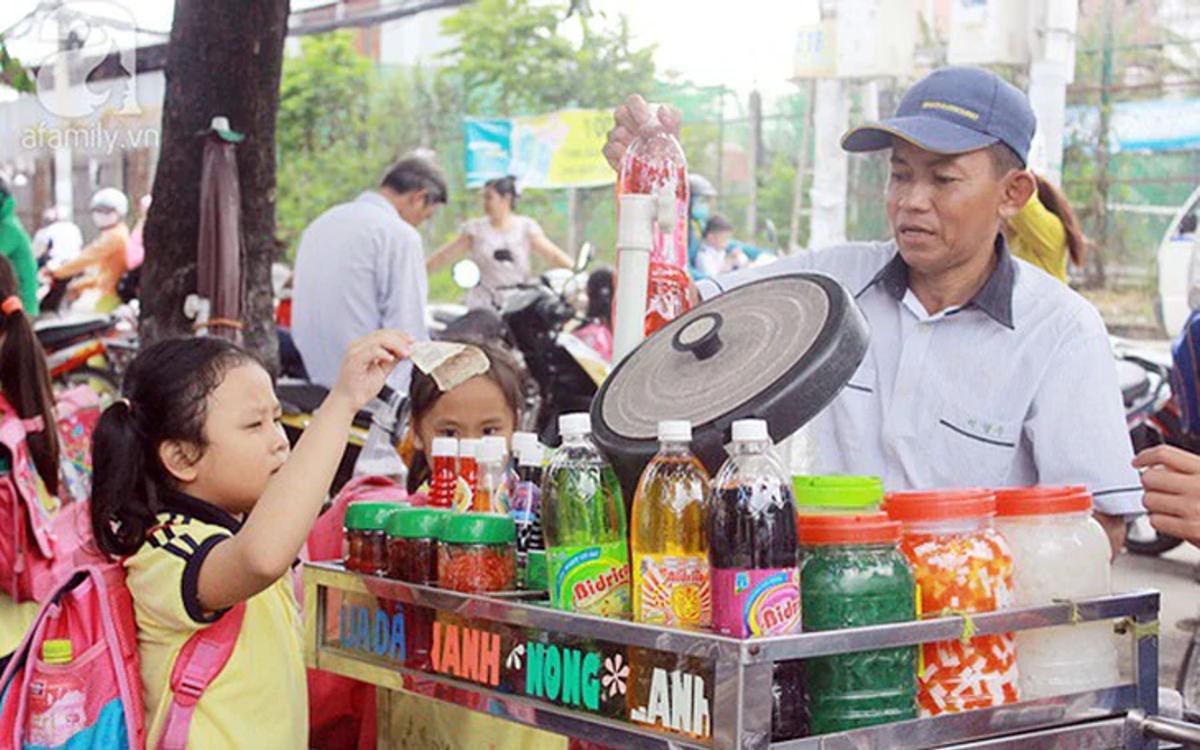
Dr. Nguyen Yen Thao explains that the negative impacts of unsafe food fall into two categories: acute and chronic. At the acute level, children may experience abdominal pain, nausea, diarrhea, or high fever due to food poisoning. Long-term chronic consequences include digestive disorders, gut microbiome imbalances that reduce nutrient absorption, and increased risks of obesity or malnutrition due to the intake of 'empty calories.' Furthermore, certain artificial food dyes have been linked to behavioral issues, including hyperactivity and reduced concentration in children.

To protect children, parents should proactively prepare healthy snacks at home, such as fruit, nuts, or whole-grain bread. Instead of strict bans, educate children about the harms of contaminated food using real-world examples. Simultaneously, schools should strictly monitor the quality of food in their canteens and organize nutritional seminars to help students identify and choose safe food options for themselves.